China Mobile Toilet Environmental Protection
The environmental protection of China's mobile toilets is mainly reflected in multiple aspects such as water-saving technology, waste treatment, material usage, and application flexibility.

In terms of water-saving technology, mobile toilets achieve efficient water conservation through innovative designs. For example, some mobile toilets use a method of automatically collecting hand-washing water and adding special agents, enabling each flush to require only 0.46 liters of water, which is far less than that of traditional toilets. Some advanced models even employ vacuum suction technology, requiring only the amount of water in half a bottle of mineral water for a single flush. Additionally, some mobile toilets achieve the recycling of hand-washing water, resulting in a water-saving effect of up to 90% compared to traditional toilets.
Regarding waste treatment, mobile toilets also demonstrate their environmental protection characteristics. Microbial degradation mobile toilets can convert excreta into harmless gases and water, achieving harmless waste treatment. Packaged mobile toilets, on the other hand, use biodegradable bags to package excreta and transport it directly for treatment. This treatment method is particularly suitable for places with high foot traffic, effectively avoiding environmental pollution.
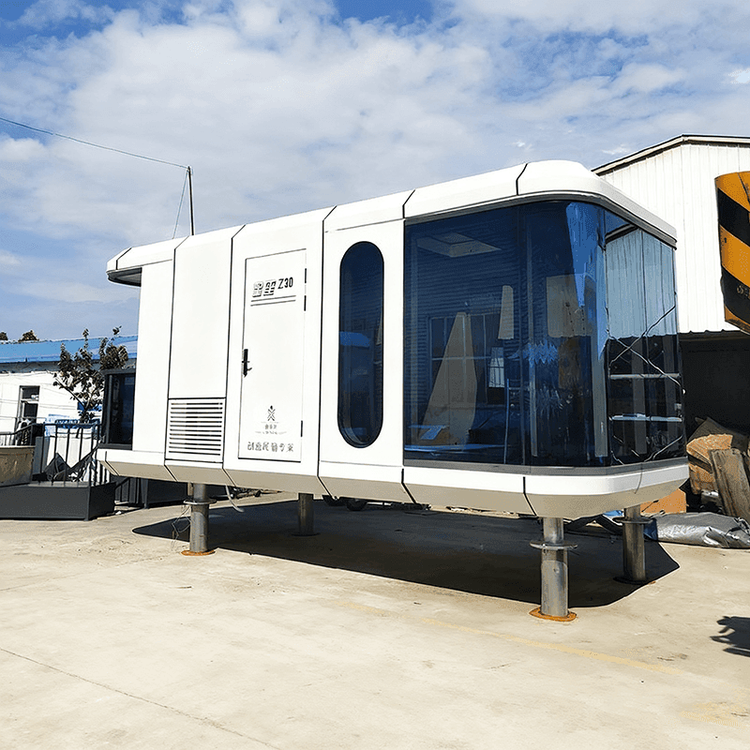
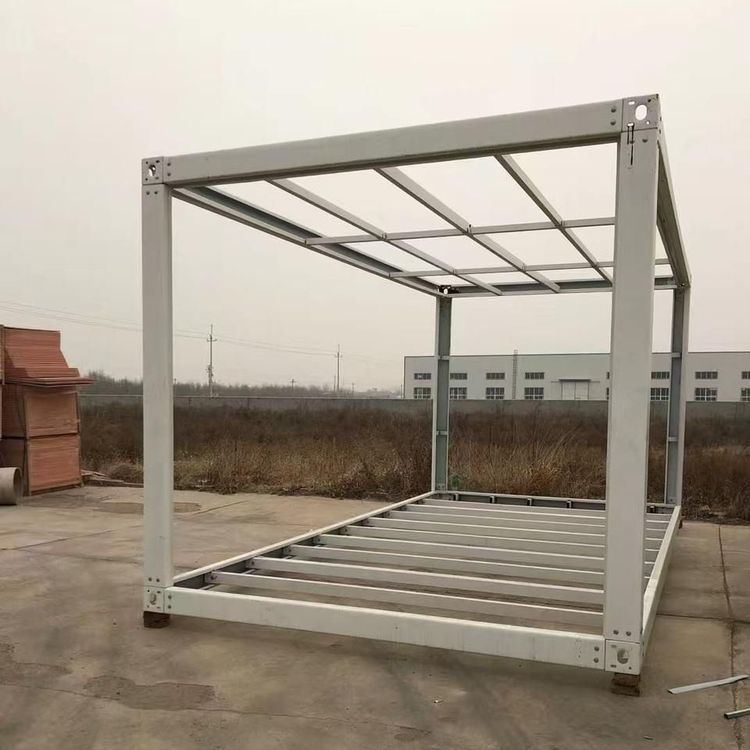
In terms of material usage, mobile toilets also fully consider environmental protection factors. Their main structures are made of recyclable steel and plastic, with the frame welded using national standard steel and the surface covered with anti-corrosion and fire-resistant materials such as color-coated steel plates or carved panels. These materials are not only durable but also have a service life of over 20 years, reducing waste generated by frequent replacements.
Furthermore, the application flexibility of mobile toilets is also an important manifestation of their environmental protection advantages. Mobile toilets are designed for easy transportation and installation, allowing them to be lifted and moved as a whole, facilitating flexible allocation between different locations. Their application scope is wide, covering public places such as scenic spots, service areas, and rural areas. In scenic spots, excreta can be directly converted into fertilizer for watering flowers; on construction sites, the temporary use of mobile toilets is more cost-effective than building fixed toilets; in the event of disasters, mobile toilets can also be quickly transported to disaster areas to provide urgently needed sanitation facilities for affected people.