China Construction Eighth Engineering Division Container Houses
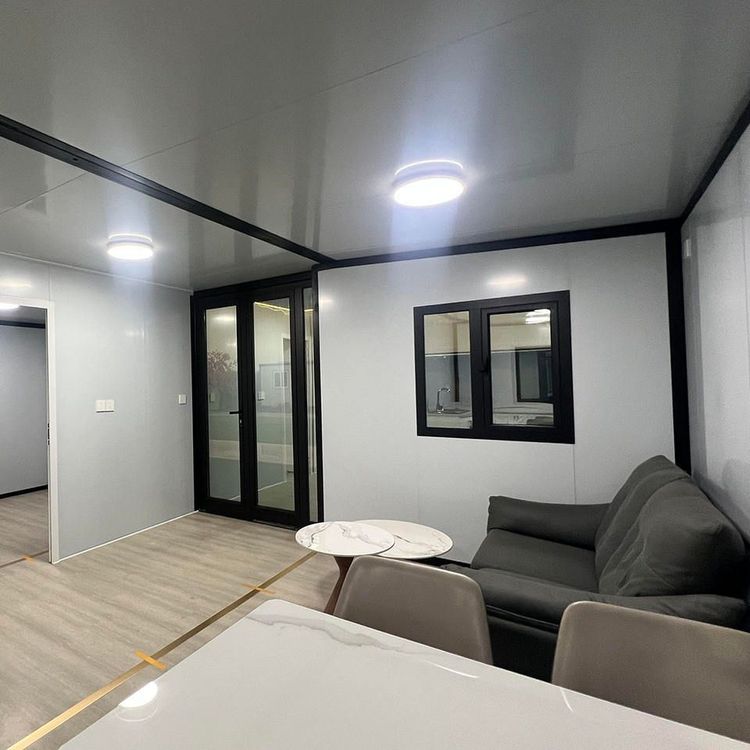
China Construction Eighth Engineering Division has extensive practical experience and significant technological advantages in the field of container houses (modular houses), with application scenarios covering temporary buildings, commercial spaces, overseas projects, and supporting facilities for high-rise buildings. The core features are modular design, green and low-carbon construction, and efficient building methods.
I. Core Products and Technical System
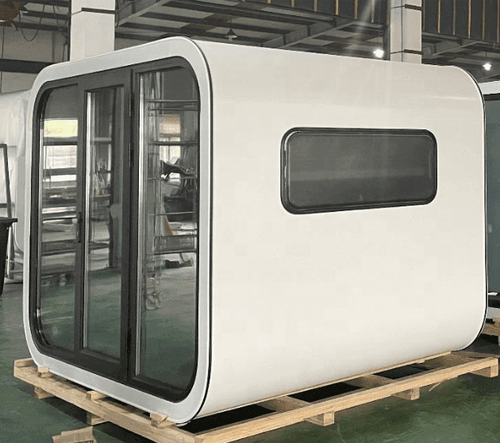
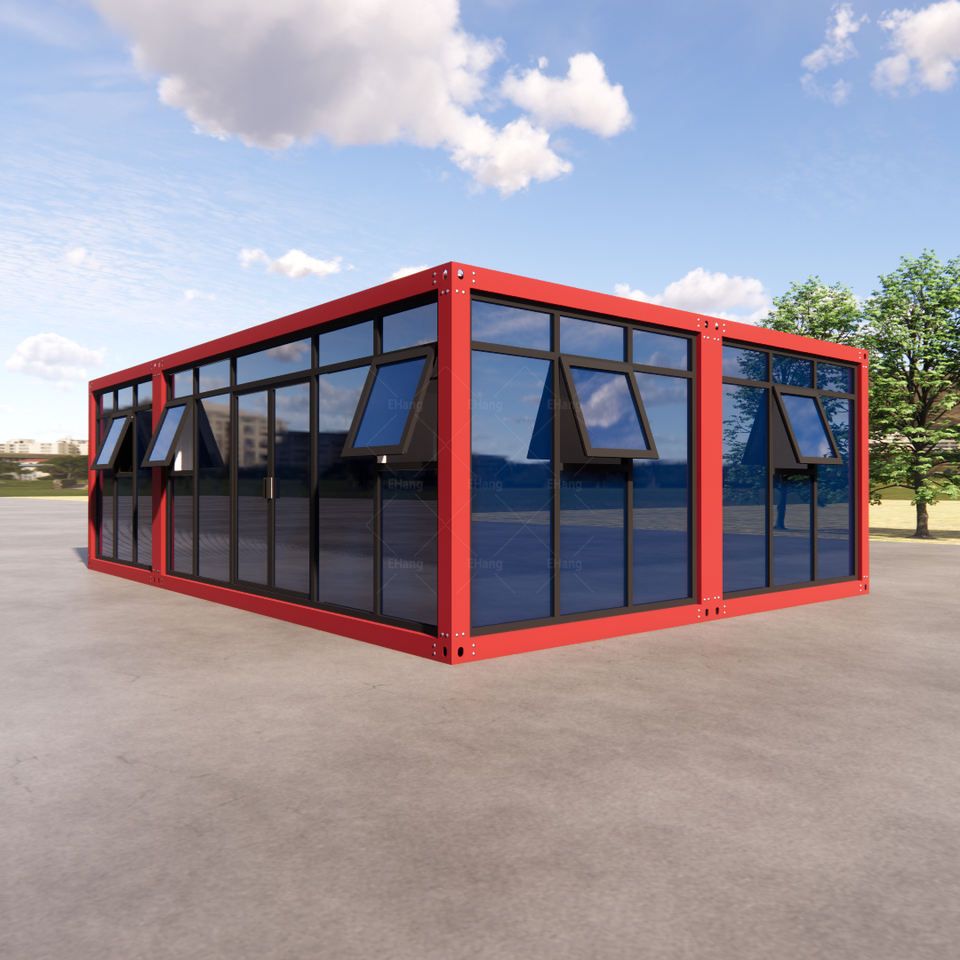
China Construction Eighth Engineering Division achieves standardized production of modular houses through modular design, using individual containers as basic units that can be used independently or combined and expanded. The product range includes over 10 types, such as standard containers, stair containers, bathroom containers, kitchen containers, and solar-powered container houses, meeting various functional requirements. For example, the prefabricated modular houses at China Construction Green Industrial Park (Jinan) are produced in a factory setting, with an annual production capacity of 10,000 units. They have been applied in projects such as the Heze Quarantine Apartments and the Jinan High-tech Sub-designated Hospital. The solar-powered container houses integrate solar panels, generating approximately 6 kWh of electricity per day and reducing carbon dioxide emissions by 2,200 kilograms annually, significantly lowering carbon emissions.
II. Diversified Application Scenarios
- Temporary Buildings and Emergency Projects: Modular houses are widely used in emergency scenarios such as quarantine apartments and medical facilities due to their rapid deployment capabilities. For example, the Jinan High-tech Sub-designated Hospital used modular houses to construct medical spaces, shortening the construction period while ensuring functional integrity.
- Commercial Space Innovation: The Nanjing Catherine Plaza project transformed containers into independent shops, creating an industrial-style consumption scene through a staggered, stacked three-dimensional layout. The construction period was 80% shorter than that of traditional commercial buildings, with a material reuse rate exceeding 80%, reducing construction waste generation.
- Overseas Projects and Full-Function Modules: The Australian SMC modular housing export project covers all scenarios, including accommodation, office, and catering, using high-strength steel structures with fireproof and anti-corrosion processes, achieving a fire resistance rating of B1. On-site assembly efficiency increased by 50%, with water and electricity savings of approximately 70% and a reduction in construction waste by 85%, supporting disassembly and reuse in different locations.
III. Green, Low-Carbon, and Sustainable Development
China Construction Eighth Engineering Division deeply implements the "dual carbon" goals in the field of modular houses:
- Material Recycling: Standardized design enhances material reuse rates, such as the Nanjing Catherine Plaza project, where the material reuse rate exceeded 80%.
- Efficient Energy Utilization: Solar-powered container houses achieve self-sufficiency in solar energy, with the Australian project saving approximately 70% on-site in water and electricity.
- Low-Carbon Construction Techniques: Modular assembly reduces on-site wet operations, lowering dust and noise pollution, meeting green construction standards.
IV. Technical Extension and Supporting Facilities for High-Rise Buildings
Although not directly involving container houses, the Shenzhen CIMC Tower project emphasizes the concepts of "intelligence, efficiency, and sustainability," aligning with the green and low-carbon characteristics of modular houses. Through accumulated modular technology, China Construction Eighth Engineering Division provides standardized and efficient supporting solutions for super high-rise buildings, indirectly demonstrating its professional capabilities in the field of modular construction.