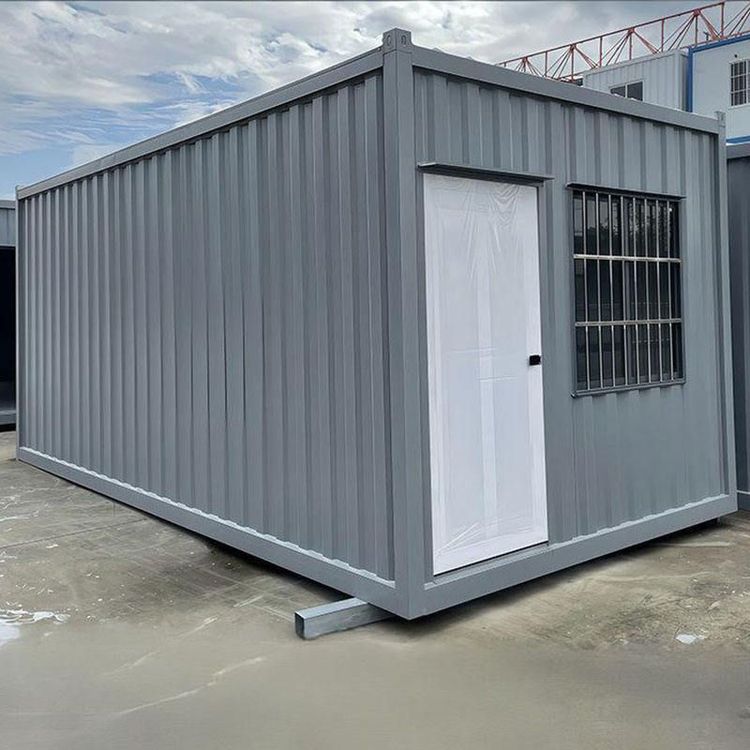
Chifeng Mobile Toilet Trailer
The trailer-type mobile toilet in Chifeng is a type of mobile toilet that can be transported by vehicle traction. It features flexible deployment and is suitable for long-term fixed-point usage needs.

Basic Structure and Transportation Method of Trailer-Type Mobile Toilets
Trailer-type mobile toilets adopt a trailer chassis design, with an overall structure similar to that of ordinary trailers. They are equipped with axles and traction devices at the bottom and can be towed to designated locations by vehicles such as trucks or pickup trucks. Their core advantage lies in the fact that they do not require on-site construction. After being transported to the destination, they can be directly deployed for use, making them suitable for scenarios such as temporary events, construction sites, or remote areas. When transporting, appropriate traction vehicles should be selected according to the distance and route. For example, short-distance transportation can use small pickup trucks, while long-distance transportation is recommended to use dedicated trailers to ensure stability.
Key Precautions During Transportation
- Pre-transportation Assessment: Plan the transportation route in advance, avoiding height-restricted, width-restricted, or bumpy road sections to prevent equipment damage. At the same time, inspect the axles, braking system, and traction device of the trailer chassis to ensure they are in good condition.
- Securing and Protection: During transportation, use dedicated securing devices (such as straps and brackets) to firmly connect the mobile toilet to the trailer chassis to prevent shaking or displacement. If there are fragile components inside the equipment (such as water tanks and sewage pipes), empty and reinforce them in advance.
- Safe Operation: The traction vehicle must meet the load-bearing standards, and the driver must have experience in driving trailers and comply with traffic rules. Especially when turning or braking, control the speed to prevent rollovers or tail swings.
Deployment and Usage Requirements
After being transported to the destination, choose a flat and solid site for deployment to avoid equipment tilting due to ground subsidence. If the mobile toilet is equipped with water, electricity, and sewage systems, connect them to the municipal pipeline network or temporary water storage/sewage disposal devices in advance. For example, electric flush toilets need to be connected to a power source, and septic tank-type toilets require regular cleaning of the sewage tanks. In addition, for long-term fixed use, it is recommended to perform secondary reinforcement on the trailer chassis (such as driving ground nails or pouring concrete foundations) to enhance stability.
Applicable Scenarios and Advantages
Trailer-type mobile toilets are particularly suitable for scenarios that require rapid deployment and long-term use, such as scenic spots, construction sites, or large-scale event venues. They are more flexible than fixed toilets, cost less than permanent buildings, and can be relocated according to needs, making them an effective solution for addressing toilet problems in temporary or remote areas.