
Chifeng Color Steel Mobile Toilet
The Chifeng color steel mobile toilet is a type of mobile toilet that uses color steel plates and other materials to construct its box structure, adapting to the climatic characteristics of Chifeng. It features multiple fecal treatment methods and is widely applied.
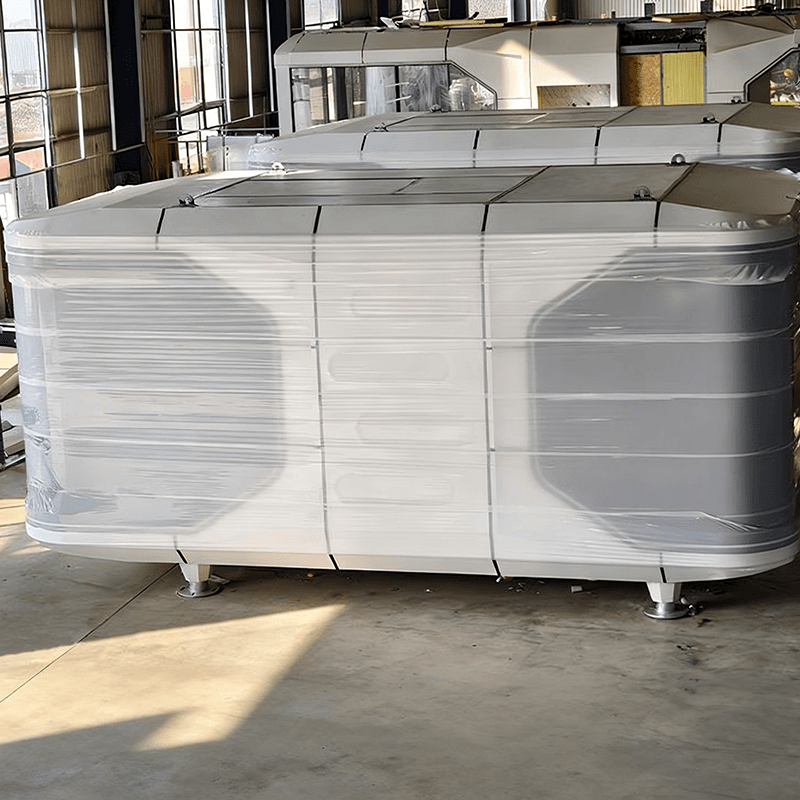
Box Structure and Materials
The box structure of the Chifeng color steel mobile toilet mostly employs color steel plates and other materials. This design takes into account structural strength, thermal insulation, corrosion resistance, and lightweight requirements. In the Chifeng region, which experiences large temperature variations and frequent sandstorms, color steel plates and other materials can well adapt to such climatic conditions, ensuring the normal operation of the mobile toilet in different environments and extending its service life.
Fecal Treatment Methods
- Water-flush type: The toilet is equipped with a water-flush device, with the water tank generally placed on top of the toilet and a sewage tank at the bottom. During use, the flushing device flushes the excreta into the sewage tank.
- Non-water-flush suction type: There is no flushing device, and the sewage tank at the bottom of the toilet directly receives the excreta from users. Due to the relatively small capacity of the sewage tanks in these two types of mobile toilets, timely suction is required when the specified number of users is reached; otherwise, overflow incidents may occur, resulting in a high suction frequency.
Application Venues
It can be placed at stations, docks, tourist attractions, villa areas, newly built residential communities, large construction sites, squares, densely populated public places, and bustling commercial streets to meet people's toilet needs. Portable mobile toilets have a lightweight structure, making them easy to transport and assemble, and are widely used at construction sites, temporary large gatherings, and sports events. Hoisting-type mobile toilets are mostly multi-toilet structures with a relatively large mass, requiring hoisting devices for assistance in transportation. Some new types are loaded using hook-lift trucks, making hoisting and movement more convenient.
Advantages
It has the advantages of energy conservation, environmental protection, water conservation, and a small footprint. Compared to traditional toilets, it saves at least 80% of water resources and has a small footprint, alleviating the pressure on land resources. Its production and supply involve multiple industrial processes, and different scenarios have different requirements for the toilet's capacity, the ratio of male to female toilet stalls, the configuration of barrier-free facilities, and the harmony between appearance and the environment.



