Back to blog
Article
Introduction to Chibi Container Houses
Admin September 15, 2026
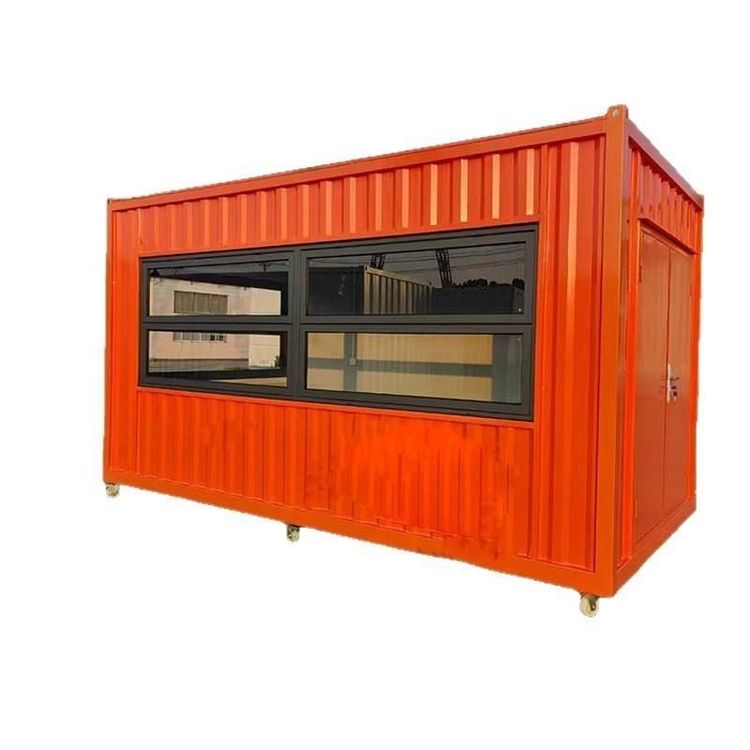
Chibi container houses are modular buildings transformed or newly constructed based on containers, featuring flexibility, cost-effectiveness, and environmental friendliness. They are widely used in commercial, residential, cultural tourism, and other scenarios.

I. Structure and Types Container houses are typically produced in two ways:
- Direct Transformation: Utilizing shipping containers, they are transformed into livable or usable spaces through cutting, welding, and adding doors and windows.
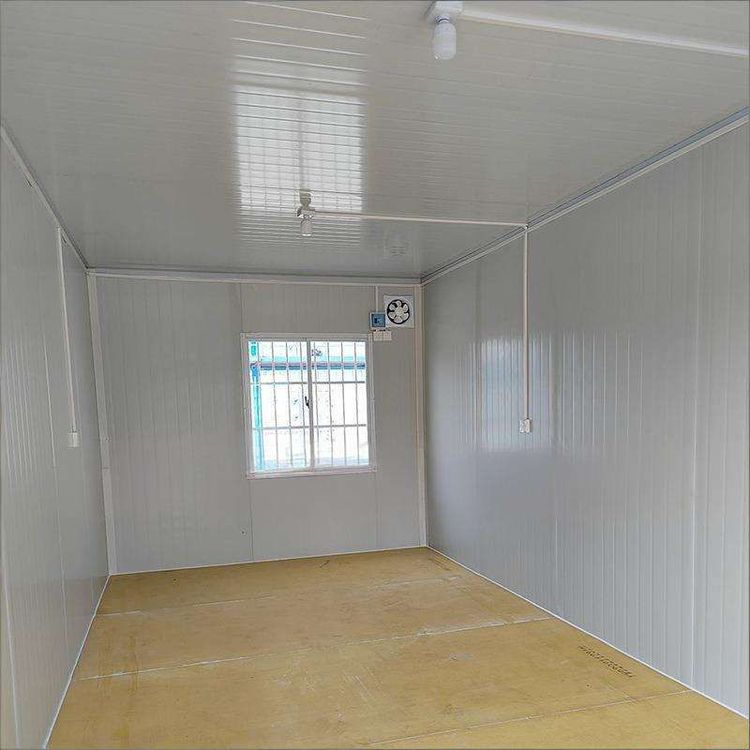
- Factory Prefabrication: Based on container dimensions, frame structures (such as column connections between the top and bottom) are produced in factories. Walls are then assembled using materials like color-steel sandwich panels to form independent building units. These houses can be customized according to needs, including single-story or multi-story structures, suitable for various scenarios such as construction site dormitories, shops, offices, homestays, and exhibition halls. For example, the container night market district in Xinjiekou, Chibi City, combines 28 containers to form a cluster of food stalls, achieving efficient utilization of idle land.
II. Core Advantages
- Cost-effectiveness: Costs are reduced by over 50% compared to traditional buildings. Taking a 100㎡ office space as an example, the total cost of the container solution is approximately several tens of thousands of yuan, and it can be reused; whereas traditional office building leases require payment of high rents, renovation costs, and property fees.
- Flexibility: Modular design supports rapid disassembly, assembly, and relocation. Container houses do not require complex civil engineering works; they only need a level site and can be transported as a whole by professional trailers. No construction waste is generated during relocation, making them suitable for temporary or frequently changing needs.
- Environmental Friendliness: The factory prefabrication model reduces on-site construction pollution, with a material recycling rate of 60%-70%. They adopt anti-rust, fire-resistant, and earthquake-resistant processes, featuring thermal insulation, sound insulation, and heat preservation properties. Some products have passed national permanent building certifications, with a service life of 20-50 years.
- Customization: They support customization of appearance and internal functions, such as adding independent bathrooms, kitchens, or adjusting wall thickness (50MM-100MM) to adapt to different climatic regions.
III. Application Scenarios In Chibi, container houses have been applied in cultural tourism, commercial, and livelihood sectors:
- Cultural Tourism Scenarios: Such as container homestays equipped with solid wood furniture and independent bathrooms, providing differentiated living experiences.
- Commercial Scenarios: Such as night market districts, where containers are combined to form characteristic shop clusters, activating the economic value of idle land.
- Temporary Facilities: Such as construction site dormitories and marketing centers, meeting short-term usage needs and reducing comprehensive costs.