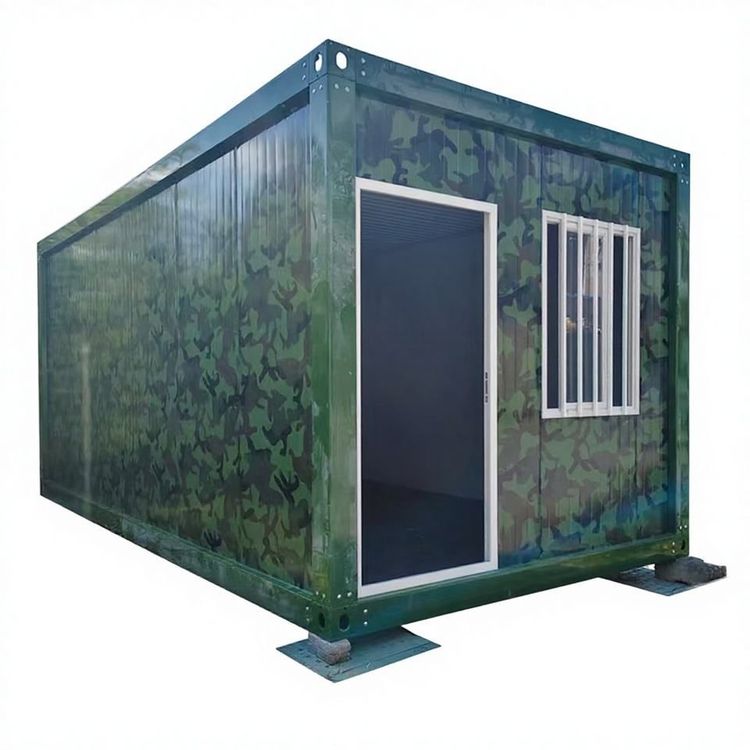
Chengkou Mobile Toilet Installation
The installation of mobile toilets in Chengkou is typically completed by manufacturers through modular design and integrated assembly, with users only needing to perform basic fixation and external interface connection to complete the installation. Here are the specific installation procedures and related explanations:
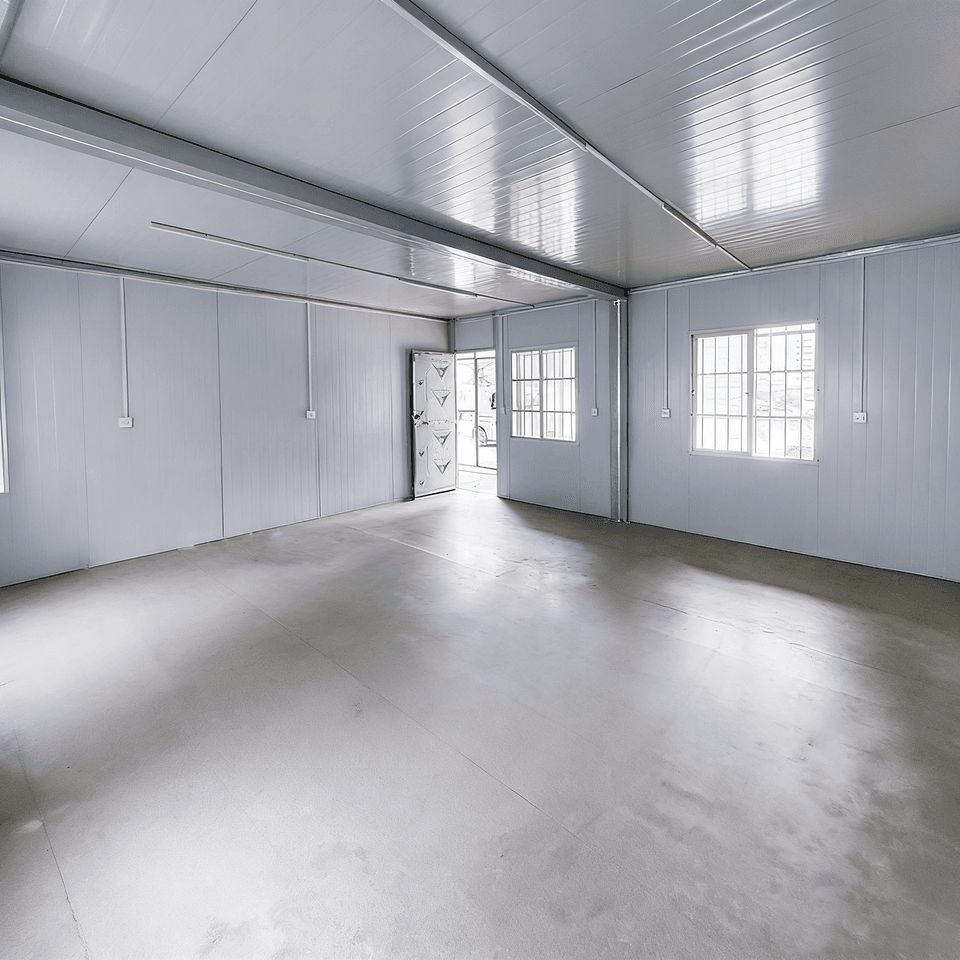
I. Manufacturer Pre-assembly and Modular Design
The core of mobile toilet installation lies in modular production and pre-integration. Manufacturers complete standardized production of core modules such as structural frames, wall panels, sanitary fixtures, and sewage treatment systems in the factory, and form independent functional units through internal pipeline connections. For example, enterprises like high-end container factories can customize functional modules according to user needs, including size adjustments and user capacity adaptations, ensuring rapid deployment capabilities of the products. This design model significantly reduces on-site construction volume while ensuring the stability of product quality.
II. Transportation and On-site Installation Procedures
- Transportation and Hoisting: Some manufacturers offer nationwide door-to-door delivery services, transporting pre-assembled mobile toilets to designated sites using professional transportation vehicles. During on-site installation, hoisting equipment is required to precisely place the modules at preset positions to avoid structural damage caused by handling.
- Basic Fixation: Users need to perform basic treatment according to site conditions (such as ground flatness and bearing capacity). Common methods include concrete pouring of ground beams, laying moisture-proof cushions, or using adjustable supports to ensure stable connection between the modules and the ground, preventing displacement due to vibration or wind.
- External Interface Connection: Installers need to complete the connection of water and electricity interfaces. For example, connecting sewage pipes to municipal sewers or septic tanks to ensure sewage discharge meets environmental requirements; connecting water supply pipes and testing water pressure and sealing; if equipped with an electrical system, connecting to a low-voltage power supply and installing leakage protection devices.
III. Full-process Service Support
Some enterprises offer "turnkey" services from design to commissioning. Taking high-end container factories as an example, their services cover site surveys, functional module customization, transportation, on-site assembly, and equipment commissioning. After installation, technicians conduct functional tests, including flushing systems, ventilation systems, lighting systems, etc., to ensure all equipment operates normally before delivery for use.
IV. User Precautions
Users need to confirm in advance whether the site meets installation conditions (such as space dimensions and locations of water and electricity access points) and clarify installation responsibility boundaries with the manufacturer. If special environments are involved (such as high altitudes or severe cold regions), it is necessary to communicate in advance the need for adaptive modifications to the modules, such as enhancing thermal insulation performance or adjusting sewage treatment processes.