Chengdu Mobile Water-Flush Toilets
Chengdu's mobile water-flush toilets are primarily of the direct-flush type, but they have limitations, and mobile toilets with waterless biodegradation technology offer greater advantages.
Direct-Flush Mobile Toilets
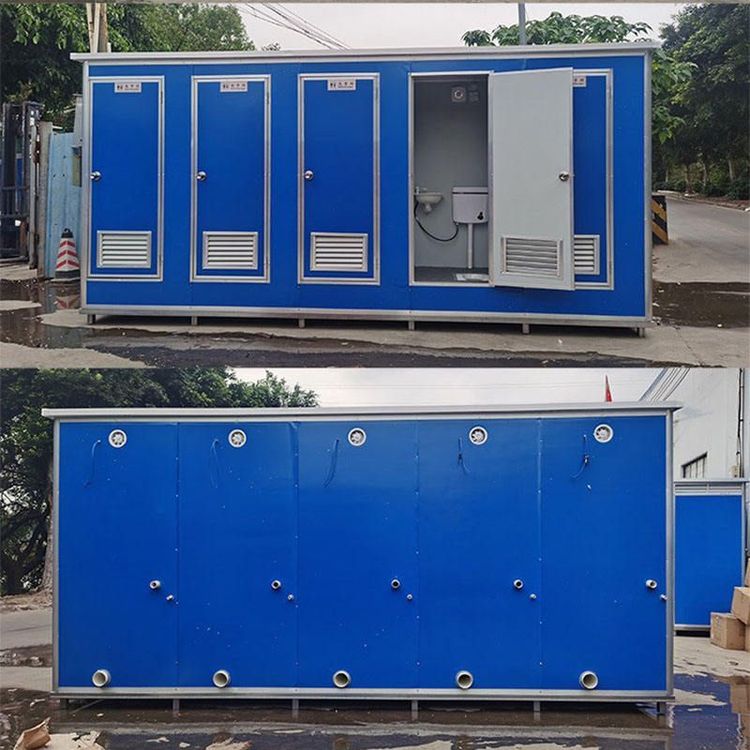
In Chengdu, direct-flush mobile toilets are a relatively common type. These toilets have strong flushing power, effectively removing waste and maintaining internal cleanliness. They are often used in scenarios such as commercial district renovations, where they can function well in areas with well-established water supply and sewerage networks, providing a relatively hygienic and convenient restroom environment for people.
Limitations of Traditional Water-Flush Mobile Toilets
However, traditional water-flush mobile toilets also face numerous issues in practical applications. In extremely cold, water-scarce, or areas without sewerage networks, they are essentially ineffective. Their normal operation highly depends on complex water supply and sewerage networks, making construction costs extremely high or even impossible in areas without networks, lacking water, or with complex terrains such as scenic spots, construction sites, and remote regions. Additionally, traditional water-flush mobile toilets consume significant amounts of water and electricity, requiring a continuous supply to maintain flushing and other functions. Moreover, the cost of cleaning septic tanks is high, as regular removal of waste from septic tanks is necessary, increasing operational costs and potentially causing environmental pollution. Furthermore, odor control is a significant challenge, as waste accumulation in septic tanks can produce unpleasant smells, affecting the surrounding environment and user experience.
Advantages of Mobile Toilets with Waterless Biodegradation Technology
To address these issues with traditional water-flush toilets, some companies, such as Zhongyunhui (Chengdu) Technology Group Co., Ltd., have developed mobile toilets using waterless biodegradation technology. These toilets do not require connection to water supply or sewerage networks. Instead, they use microbial degradation technology to convert waste on-site into dry organic fertilizer, achieving 'zero emissions'. They effectively eliminate the dependence on networks and water sources, reducing construction costs, especially in areas without networks, lacking water, or with complex terrains. Simultaneously, they reduce water and electricity consumption and the cost of septic tank cleaning, also solving the problem of odor control, making them more environmentally friendly, energy-efficient, and efficient.