
Chengde Mobile Toilet Design
The design of mobile toilets in Chengde needs to integrate multiple factors, including environmental harmony, functional configuration, material durability, maintenance management, and user experience.
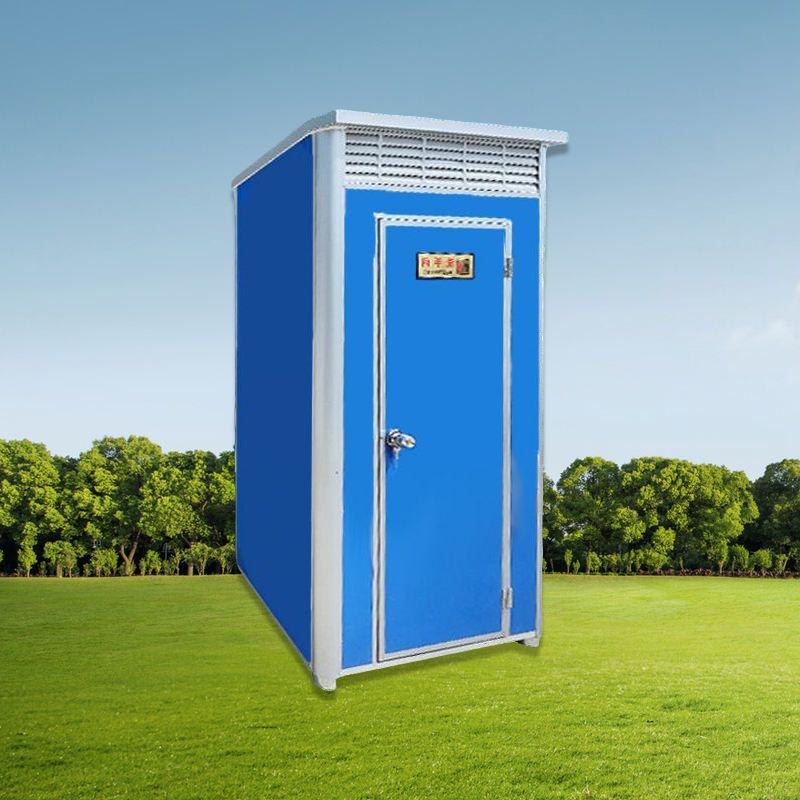
Environmental harmony is the primary consideration. Chengde's scenic spots are characterized by natural landscapes and historical and cultural relics, so the exterior design of mobile toilets should be in harmony with the surrounding scenery. For example, in mountainous scenic spots, wooden or wood-like exterior walls can be used, paired with sloped roofs to blend naturally with the mountain forest environment; in royal garden areas, traditional architectural elements can be borrowed, using a color scheme of blue bricks and gray tiles to avoid disrupting the overall landscape.
Functional configuration should meet diverse needs. In areas with limited water access, water-saving flushing systems or waterless flushing technologies should be adopted, and handwashing areas should be equipped with water-saving faucets and waste liquid collection devices. High-altitude scenic spots need to consider freeze-proof measures, insulating the piping system; during peak summer tourist seasons, ventilation systems should be enhanced with the installation of exhaust fans or natural ventilation devices to maintain air circulation. Lighting systems should ensure sufficient and soft illumination, using energy-efficient lamps, and some toilets can incorporate natural lighting designs. Additionally, intelligent applications are a trend, such as intelligent voice announcement systems, intelligent flushing devices, remote monitoring of usage, and automatic alarm and cleaning, which can reduce operational and maintenance costs and improve service efficiency.
Material selection and durability are crucial. Mobile toilets used outdoors need to have good weather resistance and durability. Wall materials can be selected from metal insulation panels or new composite materials with anti-corrosion and UV-resistant properties; roofing materials should have waterproof and heat-insulating functions, and some areas need to consider snow load resistance; internal partitions should use waterproof and moisture-proof panels, and flooring materials should be slip-resistant and wear-resistant; all materials should meet environmental standards to ensure indoor air quality safety.
Maintenance management systems need to be comprehensive. Cleaning operation standards should be established, specifying cleaning frequencies and disinfection requirements; a facility inspection mechanism should be established to regularly check whether flushing systems, door locks, lighting, and other equipment are functioning properly; consumables should be replenished in a timely manner, including toilet paper and hand soap; during peak tourist seasons, inspection frequencies should be increased to ensure that toilets can continuously meet usage demands; maintenance personnel should receive professional training to master equipment operation and simple troubleshooting skills.
User experience optimization should not be overlooked. The internal space layout should be reasonably planned, with an appropriate number of toilet stalls set according to tourist flow and sufficient passage space left; accessible toilets should be configured, with handrails and call buttons installed inside, and door widths should meet wheelchair access requirements; signage should be clear and explicit, with nighttime lighting indicators; convenience facilities such as hooks and storage shelves should be provided inside; toilet stall ratios should be reasonably planned to reduce waiting times.



