
Mobile Toilet Next to Charging Piles
The mobile toilet next to charging piles is a supporting sanitation facility specifically designed for new energy vehicle charging stations, featuring both temporary and permanent functions. It aims to address the toilet needs of drivers during the charging process while reducing resource consumption through eco-friendly design.
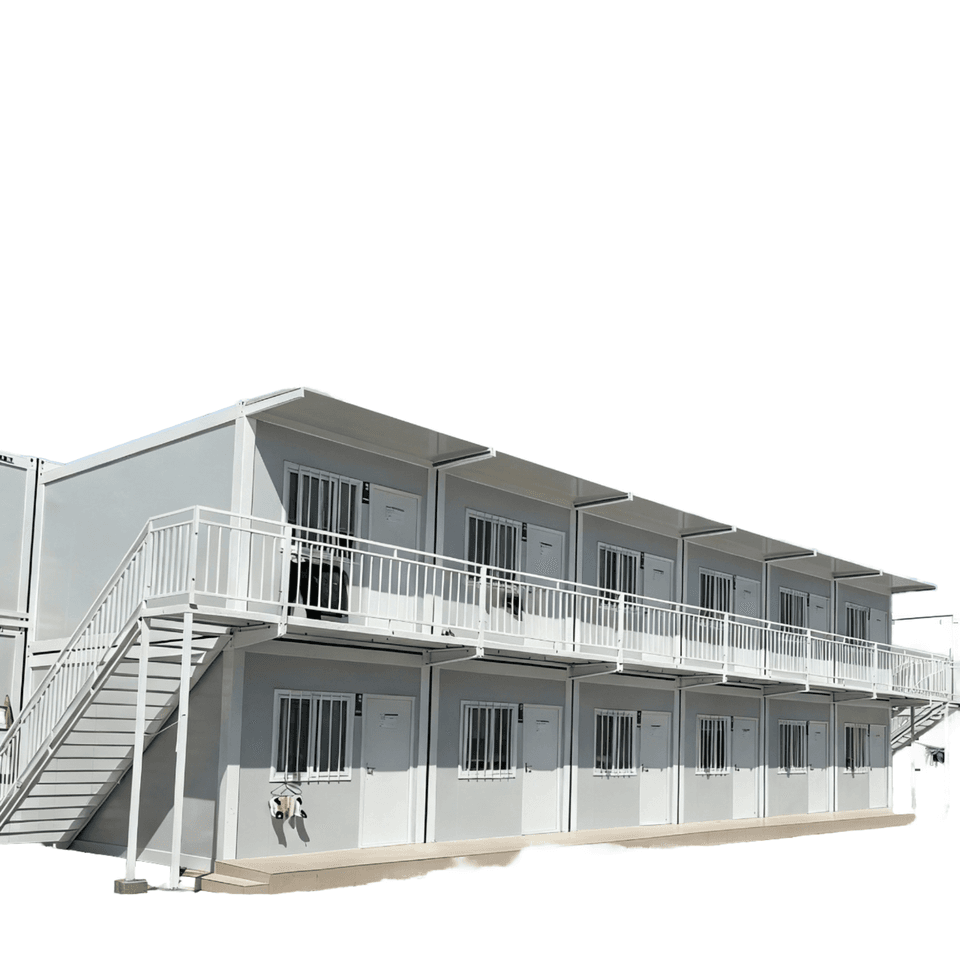
1. Functional Positioning and Typical Cases
Mobile toilets beside charging piles typically serve new energy vehicle charging stations as part of the supporting infrastructure. Their core function is to provide convenient sanitation conditions for charging users, especially for long-distance driving or scenarios with extended charging times. For example, a parking lot in Linpu Town, Xiaoshan District, Hangzhou, installed a mobile toilet when constructing charging piles. Initially planned for short-term construction support, it was locked for an extended period due to management oversight, leading to public misunderstandings. After official responses clarified that it would be opened for use to safeguard public rights. Such cases indicate that the planning of mobile toilets should balance functionality and management transparency to avoid affecting user experience due to operational issues.
2. Design Features and Eco-Friendly Advantages
The design of mobile toilets emphasizes portability, eco-friendliness, versatility, and durability to adapt to the outdoor environment of charging stations:
- Eco-friendly water conservation: Some models adopt waterless or water-saving technologies, such as microbial degradation and foam sealing, to reduce water waste, aligning with the positioning of green energy stations;
- Space optimization: Some products integrate rest areas or storage spaces to meet drivers' needs for short rests and item storage, enhancing the comfort of the charging scenario;
- Material suitability: Waterproof and rust-resistant materials (such as stainless steel and high-strength plastics) are used to ensure long-term stable operation in harsh weather conditions like rain, snow, and high temperatures.
3. Operational Challenges and Management Recommendations
Despite their significant advantages, the actual effectiveness of mobile toilets depends on scientific management. For instance, in the Hangzhou case, poor communication between the construction and operation parties led to the long-term idleness of the toilet, exposing issues of planning and execution disconnection. The following measures are recommended:
- Clear signage and opening hours: Inform users of the toilet's location and usage rules through signs and APP notifications;
- Regular maintenance and cleaning: Arrange for dedicated personnel to inspect and avoid reduced willingness to use due to sanitation issues;
- Dynamic configuration adjustment: Flexibly increase or decrease the number of toilets based on the traffic volume of the charging station to avoid resource waste or supply shortages.
In conclusion, the mobile toilet next to charging piles is a crucial component in enhancing the service level of new energy infrastructure, requiring reasonable design and standardized operation to maximize its functionality.



