
Is Operating Chargeable Mobile Toilets Easy?
Operating chargeable mobile toilets is no easy task, presenting multiple challenges and generally being 'not easy to do'.
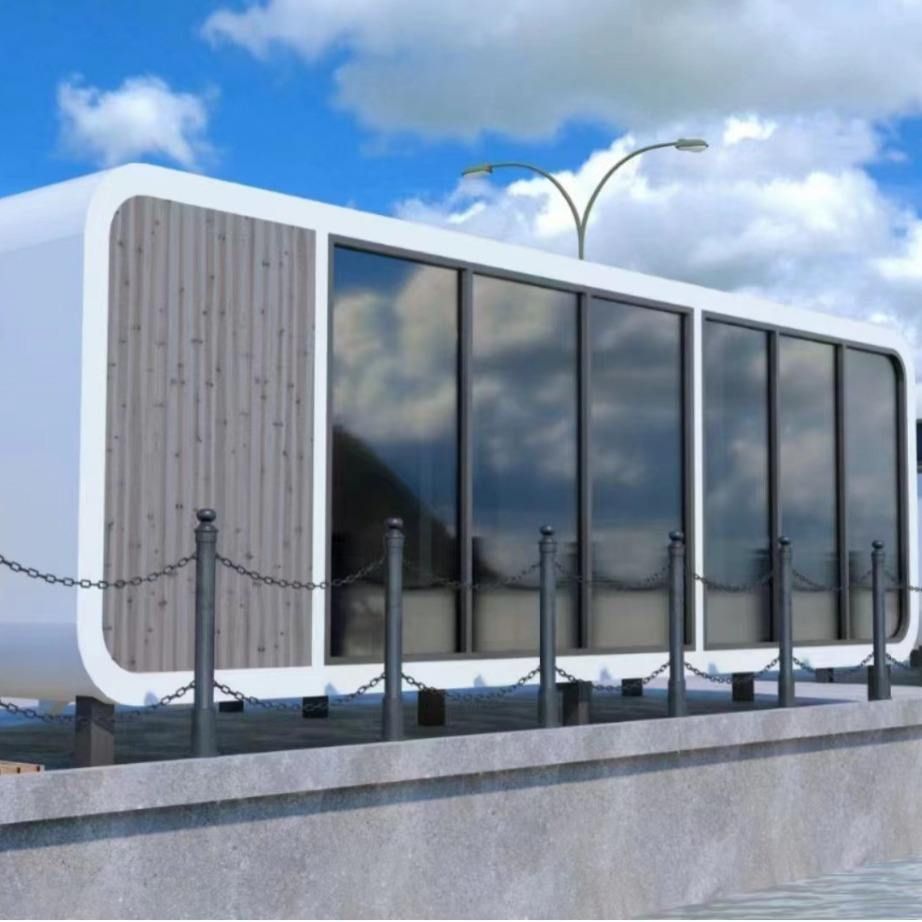
1. High operating costs and continuous financial pressure
The operation of mobile toilets involves covering the entire chain of costs, including production or procurement, transportation, installation, cleaning and maintenance, and replenishment of consumables (such as toilet paper and hand sanitizer). Taking fecal waste treatment as an example, regular collection and compliant disposal are required, and in some scenarios, specialized equipment (such as suction trucks) is also necessary. Although the fees can cover part of the costs, high-traffic scenarios (such as cultural and tourism attractions) will significantly increase costs due to higher maintenance frequencies and higher demand for consumables, while low-traffic scenarios (such as remote rural areas) may struggle to sustain operations due to insufficient income.
2. Strict environmental compliance requirements and high policy risks
Policies have clear regulations on the collection and disposal of fecal waste and emission standards for mobile toilets. For example, the 'toilet revolution' policy promotes the popularization of modular and movable public toilets, but construction sites or large-scale events may face penalties if they do not have compliant facilities. Some local sanitation projects adopt a bundled procurement model of 'leasing + operation and maintenance', requiring operators to meet both environmental standards and service quality, further increasing compliance costs.
3. High pressure on operation and maintenance services, requiring a balance between efficiency and quality
The maintenance of mobile toilets requires professional teams to handle fecal waste and maintain cleanliness and hygiene. In high-traffic scenarios (such as music festivals), poor sanitary conditions can lead to complaints from users and even refusal to pay; while in emergency relief or remote rural scenarios, there is a need for rapid deployment of ecological mobile toilets (such as microbial degradation and packaged types), placing extremely high demands on operation and maintenance efficiency. In addition, extreme weather or unexpected situations may exacerbate maintenance difficulties.
4. Fierce market competition and sensitive user acceptance
Chargeable mobile toilets need to find a balance between convenience and profitability. For example, in one case, a mobile toilet charged 10 yuan per use and set a countdown timer. Although the operator claimed that 'there is no additional charge for exceeding the time limit', it still sparked controversy among users about feeling pressured. Pricing that is too high or poor service will directly affect market acceptance, and the popularity of free public toilets has further compressed the survival space for the chargeable model.
Although policy support and multi-scenario demands (such as construction sites, cultural and tourism events, and municipal emergencies) provide long-term market space for chargeable mobile toilets, their operation needs to address multiple challenges including costs, environmental protection, operation and maintenance, and user needs. Overall, it is not an 'easy' business to operate.



