
Characteristics of Mobile Toilets
The characteristics of mobile toilets are mainly reflected in their mobility, diverse treatment methods, small footprint, modular design, scientific structure and materials, user-friendly functional configurations, wide range of application scenarios, and adaptability to cold environments.
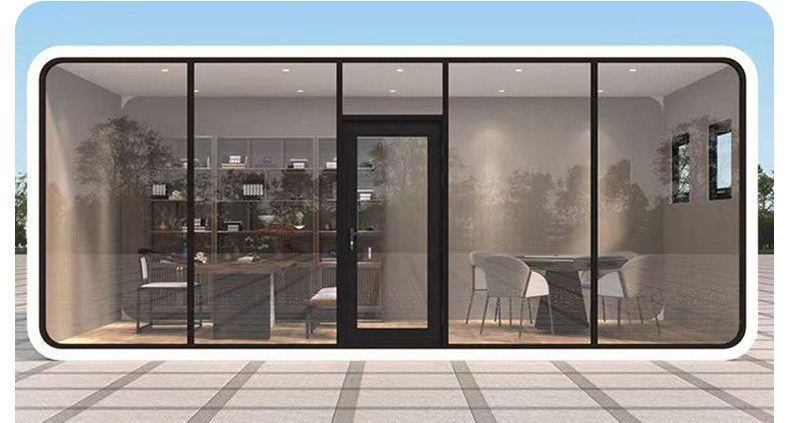
Mobility is the core advantage of mobile toilets. Their design allows them to adapt to changes in location, reducing resource waste caused by the demolition of fixed facilities, and making them particularly suitable for scenarios with high temporary or mobile demands.
Diverse treatment methods are another characteristic. Appropriate treatment technologies can be adopted based on the limitations of the usage environment, such as the concept of separating wet and dry waste. This involves using drainage channels and waste collection buckets to separate wastewater from solid waste, reducing the difficulty of later cleaning. However, regular maintenance is required to prevent odor buildup.
They occupy a relatively small area. Compared to traditional fixed toilets, they use less land resources, making them suitable for regions with tight land resources or limited space.
Modular design integrates the functions of traditional fixed toilets into a detachable and easily transportable structure, allowing for flexible deployment, rapid installation, and adaptation to different environments, especially in areas lacking fixed infrastructure. The main frame is mostly made of metal materials (such as iron sheet 02 profiles) to provide structural support, and the exterior is covered with color-coated steel plate edging, ensuring strength and featuring anti-rust and easy-to-clean properties.
In terms of functional configurations and user-friendly details, the standard size of the equipment balances practicality and compactness. Plastic windows are standard to introduce natural light and reduce a sense of confinement inside. Metal locks provide basic security protection. Color-coated steel edging prevents sharp edges from being exposed, reducing usage risks. According to needs, a shower function can be added to form a simple shower room, with waterproof sealing design to prevent water leakage.
They have a wide range of application scenarios and technical adaptability. In new rural reconstruction projects, they support rapid coverage of scattered residential points, solving the problems of long construction periods and high costs associated with traditional toilets. In outdoor construction sites, multiple units can be combined to meet the sanitation needs of densely populated areas. In tourist attractions or large-scale event venues, their mobility is utilized to dynamically adjust the layout according to foot traffic.
In terms of adaptability to cold environments, to cope with cold weather in northern regions, the walls are internally insulated, the entrance door is made of thickened titanium-magnesium alloy, equipped with special locks for occupied and unoccupied states, and fitted with 304 stainless steel squat toilets and PE energy-saving water tanks to ensure normal use in low-temperature environments.



