
What Are the Characteristics of Container Houses
The characteristics of container houses mainly include modular design, structural stability, easy and quick installation, high integration, low transportation costs, high flexibility, strong mobility, environmental protection and energy efficiency, as well as creative space.
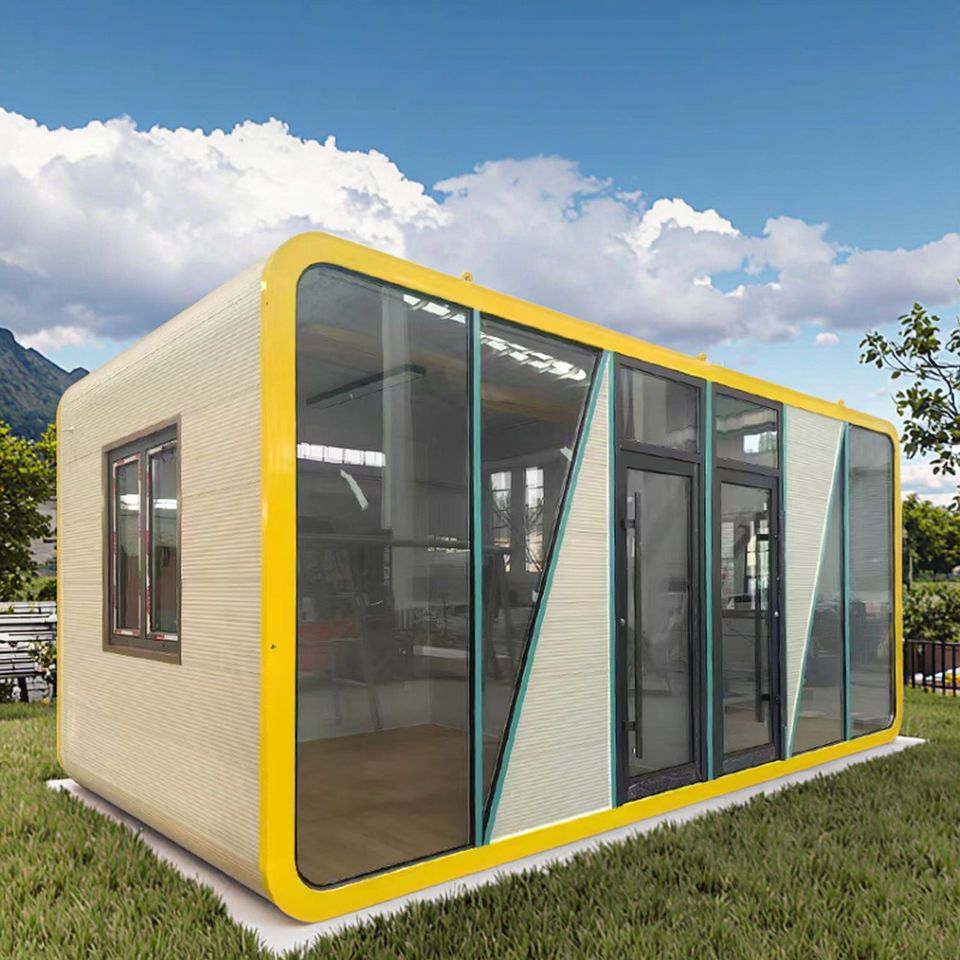
Modular Design: Container houses adopt a modular design concept, with the container body as the basic unit for factory prefabrication. These container bodies can be used individually to meet small-space needs or combined horizontally and vertically to form spacious living spaces. Vertically, they can be stacked up to three layers high, significantly improving space utilization.
Structural Stability: The container body units are constructed using standard components welded from special steel sections, with tight bolt connections between containers ensuring overall structural stability. Additionally, the steel structure design provides the house with high strength and durability, enabling it to withstand harsh weather conditions and natural disasters.
Easy and Quick Installation: Upon arrival at the site, container houses can be used directly without complex installation processes. They can be moved as a whole on-site without disassembly and reassembly, greatly reducing the cost of secondary utilization. Moreover, their construction speed is rapid, quickly meeting housing demands.
High Integration: Most of the interior decoration work for container houses is completed at the factory, eliminating the need for secondary decoration on-site. After being hoisted into place, they can be occupied immediately, saving a significant amount of time and effort.
Low Transportation Costs: To meet the demands of long-distance sea transportation, container houses divide the house body into several parts, such as the roof, floor, columns, and panels. Several houses can be packaged together into an independent package with the volume of a single container for ocean transportation, thereby saving a substantial amount of transportation costs.
High Flexibility: Container houses can be combined and modified according to actual needs to adapt to different architectural scenarios. With fixed dimensions for length, width, and height, several fixed functional room layouts can be designed and flexibly combined based on different usage requirements, enabling mass production.
Strong Mobility: Container houses can be easily moved from one place to another, making them ideal for temporary residences, mobile offices, or locations requiring frequent relocation. In some special industries, as the project progresses, the house can be moved as a whole to another location to meet dynamic needs.
Environmental Protection and Energy Efficiency: Container houses are prefabricated with low carbon emissions in the factory, achieving 'zero' pollution during on-site construction, aligning with the concepts of environmental protection and energy efficiency.
Creative Space: The design of container houses is flexible and diverse, allowing for customization according to individual needs to meet different aesthetic and functional requirements. Their appearance is highly personalized, and they can be painted according to personal preferences, showcasing unique charm.



