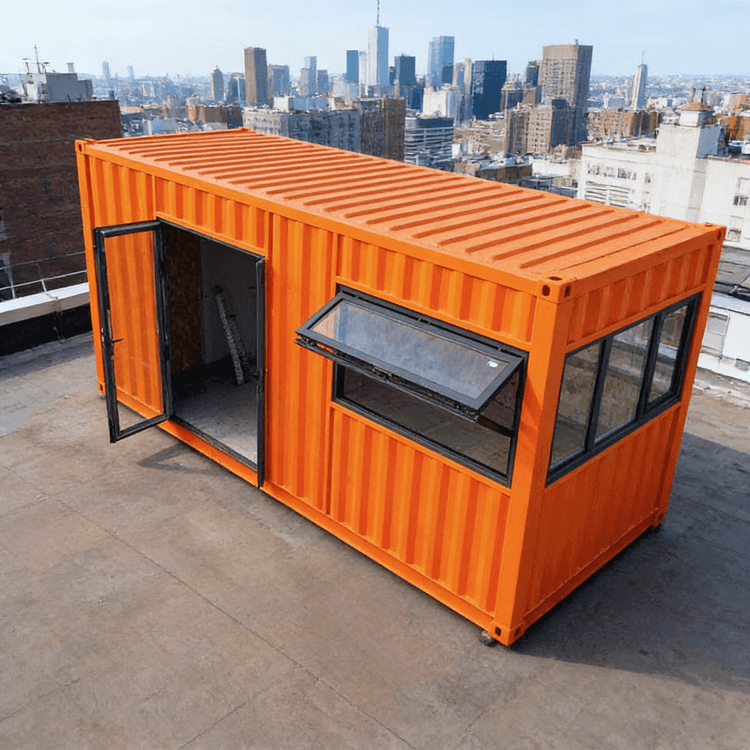
Customization of Mobile Toilets in Chaoyang Scenic Area
The customization of mobile toilets in Chaoyang Scenic Area is a 'demand-driven' solution designed to meet the specific needs of the scenic area, achieving efficient services through the coordination of functionality, aesthetics, and the environment.

I. Core Advantages
Flexible Response to Visitor Flow Changes
Mobile toilets can be quickly adjusted in terms of location and quantity according to large-scale events, holidays, or seasonal visitor peaks in the scenic area. For example, temporary toilets can be added during holidays to alleviate instantaneous toilet pressure, avoid long queues for visitors, and enhance overall satisfaction.Adaptation to Diverse Site Environments
Custom designs take into account terrain constraints and landscape protection requirements for different scenarios such as ancient architectural gardens, modern parks, and waterfront promenades. For instance, in ancient architectural scenic areas, anti-corrosion wood or wood-grain metal panels are used, paired with colors that coordinate with surrounding buildings; in waterfront areas, landscape buffering measures such as hedges and flower boxes are employed to naturally integrate the toilets into the environment and reduce visual abruptness.Meeting Special Functional Needs
Modules such as accessible restrooms (equipped with handrails and emergency call buttons), family restrooms (including child safety seats and baby changing stations), and third restrooms can be integrated. For example, providing accessible facilities for elderly visitors or those with mobility impairments, and setting up dedicated spaces for families with infants, reflecting humanistic care.Optimization of Scenic Area Space Utilization
Mobile toilets do not require large-scale civil engineering and do not damage the original landscape or underground pipelines, making them suitable for areas with limited space or those requiring temporary facility supplementation. For example, in the vicinity of historical buildings or ecologically sensitive areas, mobile toilets can be quickly deployed to avoid the long-term environmental impact of traditional toilet construction.
II. Design Dimensions
Environmental Integration
- Appearance and Style: Designed according to the scenic area's style, such as antique, modern minimalist, or natural ecological styles.
- Material and Color: Materials such as anti-corrosion wood, eco-friendly paints, or metal panels are selected to match the surrounding environmental tones.
- Landscape Buffering: The industrial feel of the toilets is weakened through green plants, flower boxes, or decorative fences.
Functional Configuration
- Basic Functional Units: Includes squat toilets, sit toilets, and handwashing stations, with quantities customized according to visitor flow.
- Extended Functional Modules: Such as accessible facilities, family restrooms, and intelligent management systems (for real-time monitoring of usage).
Case Reference: A scenic area in Beijing once customized a mobile toilet with six squat positions, featuring a galvanized steel frame structure, double-roof design, high-end exterior wall colors, and an open handwashing area. The interior was decorated to home standards, balancing practicality and aesthetics.