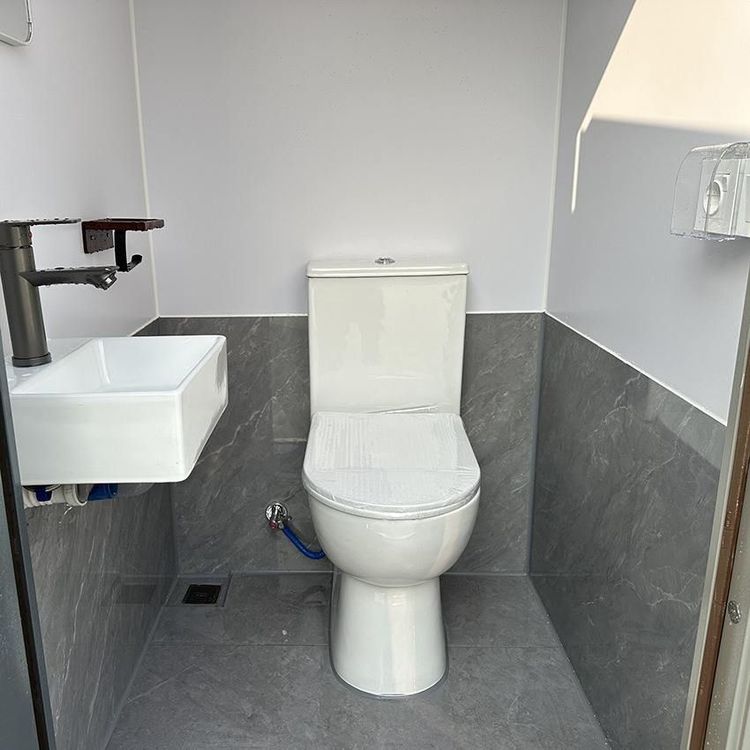
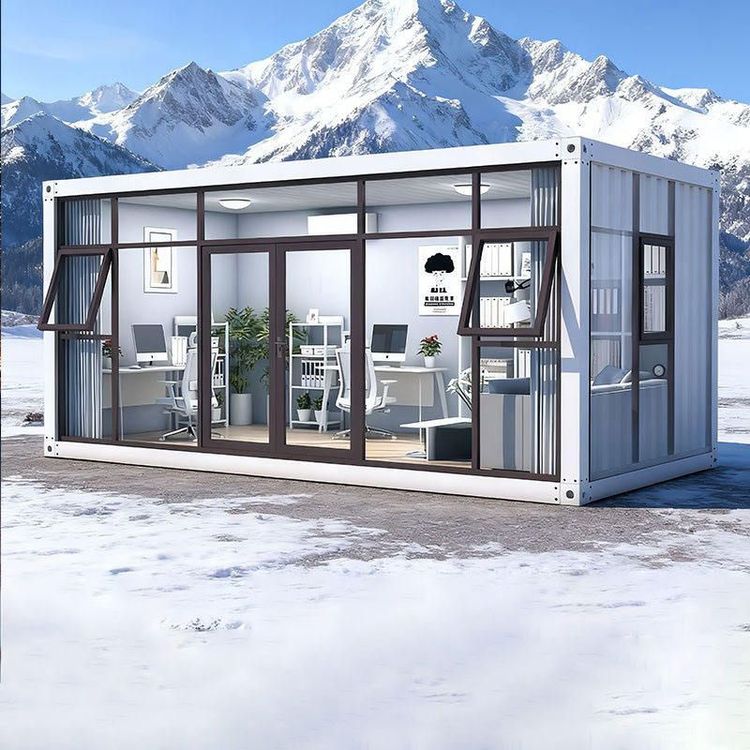
Chaoyang Mobile Toilet
Chaoyang mobile toilets serve as a dynamic supplementary mechanism for urban infrastructure, effectively alleviating the spatial and temporal limitations of fixed public sanitation facilities through modular design and flexible deployment.

Technical Composition and Functional Features
Modern mobile toilets break away from traditional simple structures, with core modules including a waste collection and treatment system (supporting biodegradation, chemical decomposition, or physical storage), a water recycling unit (with water-saving efficiency exceeding 80% of traditional models), a ventilation control device, and a structural framework. The toilet bodies are manufactured using fiberglass-reinforced plastic or polyethylene in a one-piece molding process, offering corrosion resistance and complete sealing. The modular design facilitates easy transportation and rapid assembly (requiring only pipe connections for use). High-end models are equipped with a negative pressure ventilation system, antibacterial contact surfaces, and touchless sensing operation systems, strictly adhering to disease transmission control principles to reduce the risk of cross-infection.
Application Scenarios and Deployment Advantages
- Large-scale public events: Such as music festivals and sports events, mobile toilets can quickly respond to sudden surges in demand, avoiding overuse of fixed facilities in surrounding communities.
- Urban renewal areas: In newly developed zones or construction sites, they fill service gaps caused by delays in sanitation facility construction, ensuring basic livelihood needs are met.
- Emergency response capabilities: By dynamically adjusting spatial distribution, they enhance urban resilience against natural disasters or emergencies, such as the rapid addition of toilet facilities in quarantine zones during the pandemic.
Environmental Protection and Cost-effectiveness
- Low-carbon building materials: The carbon footprint during production is approximately 60% lower than that of traditional brick-and-mortar structures, with land occupancy less than 30% of fixed buildings.
- Resource recycling: Water recycling units and waste treatment systems reduce water consumption. The leasing model (with daily billing cycles) converts fixed asset investments into predictable operational costs, avoiding waste from redundant construction.
Service Models and Maintenance Support
The Chaoyang region offers both leasing and sales service models, supporting 24-hour response and free delivery across the entire area. A professional team ensures continuous facility availability through periodic inspections and real-time monitoring (e.g., sensors tracking waste tank capacity and disinfectant levels), addressing sanitation deterioration issues caused by delayed maintenance in traditional public toilets.
Typical Supplier Information
Local Chaoyang enterprises such as Qianmai Mobile Toilets, Guting Metal Products, and Nanjing Yibings Environmental Protection Technology provide leasing services, covering supporting facilities like guard booths, shower rooms, and waste sorting rooms. The number of people served in the past year ranged from 148 to 1,036.