
Back to blog
Article
Chaoyang Container House
Admin September 10, 2026
Chaoyang container buildings are an eco-friendly, flexible, and economical building form made by converting discarded or idle shipping containers. They are modular and customizable, and suit commercial, residential, office, and many other uses.
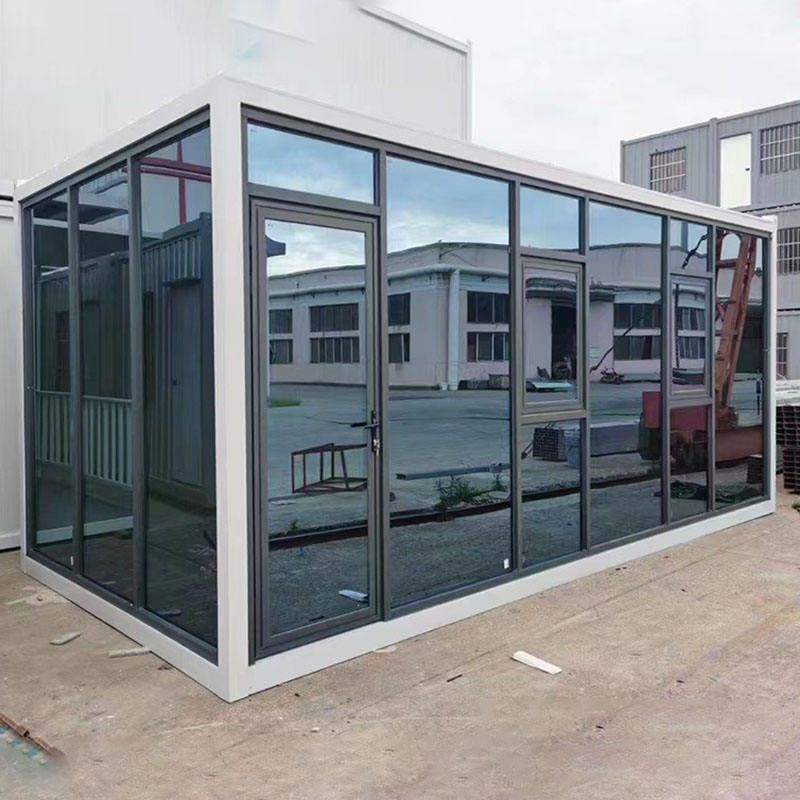
Basic Concepts and Features
Container buildings start from standard shipping containers and become the main structure—or part of it—through cutting, welding, reinforcement, and related work. Their core features include:
- Eco-friendly and energy-saving: Recycled materials cut resource waste; insulation layers, solar panels, and similar designs can lower energy use.
- Flexible and adaptable: Modular design supports fast assembly and expansion; layouts can be adjusted for different functions and scenes.
- Cost-effective: Converting a single 20-foot standard container costs about ,778-,944, with a short build cycle that suits budget-limited projects.
- Highly creative: Color, stacking, and other design choices create distinctive looks that meet personal preferences.
Application Scenarios and Functions
- Commercial spaces: Cafés, bookstores, and similar venues use the unique look to draw customers while lowering rent costs.
- Living spaces: With insulation, electrical wiring, and simple bathrooms, they work as temporary or long-term homes for young people or small families.
- Office spaces: Startups or creative studios combine modules into low-cost workplaces, with attention to sound insulation and functional zoning.
- Public facilities: Converted into exhibition halls, community centers, and more for short- or long-term use.
Design and Construction Key Points
- Structural safety: Ensure load-bearing capacity and stability; reinforce the frame when cutting openings so the overall structure is not weakened.
- Insulation and ventilation: Steel conducts heat strongly, so add insulation and design a ventilation system for comfort.
- Waterproofing and rust prevention: Apply anti-corrosion coatings on the shell and strengthen waterproofing at the roof and joints for humid conditions.
- Space planning: Use split-level layouts, folding furniture, and similar tactics to raise interior space efficiency.
Future Development Trends
As environmental awareness and technology advance, container buildings will move toward smarter, more diverse forms—for example integrating energy-saving systems or automated controls—and play a larger role in emergency housing, mobile medical stations, and related fields.



