Changzhou Street Mobile Toilet Design
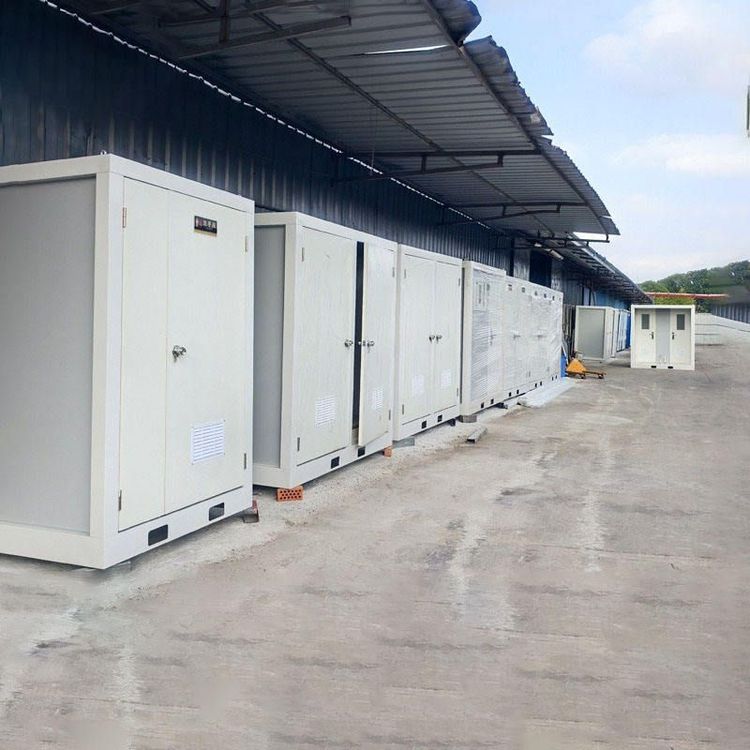
The design of mobile toilets on Changzhou streets focuses on environmental protection, durability, and convenience, utilizing a modular structure and advanced technology while balancing functionality and human-centric needs.

1. Material and Process Design
The main body of the street-integrated mobile toilet from Changzhou Runlong Environmental Protection Technology Co., Ltd. is made of color steel rock wool sandwich panels, which have Grade A fire resistance, effectively preventing fire spread and delaying its progression. Treated with precision welding processes, the material is highly corrosion-resistant, suitable for complex outdoor environments, and has a service life of 10 to 20 years. The roof features a four-cornered design to optimize drainage paths and reduce water accumulation risks, while the floor has a non-slip coefficient of 0.6, lowering the chance of slipping on rainy days and ensuring user safety.
2. Functional and Technological Innovations
- Environmental Treatment System: Equipped with waterless degradation technology, it achieves resourceful fecal disposal through biological decomposition or chemical treatment, with a daily processing capacity of 300 people, reducing sewage discharge and water consumption.
- Safety and Privacy Design: Each toilet stall is fitted with an independent lock to protect user privacy, an emergency call button for quick assistance in emergencies, and sound insulation that meets industry standards to minimize noise disturbances.
- Modular Structure: Composed of modules such as fecal sewage storage tanks (or disposal units), flooring, sanitary fixtures, walls, washing equipment, water tanks, roofs, and mobility devices, it facilitates easy transportation, installation, and maintenance.
3. Design Principles and Objectives
- Mobility and Cost-Effectiveness: Utilizing lightweight materials and standardized interfaces, it supports rapid assembly, disassembly, and relocation, with a sturdy structure that reduces long-term maintenance costs.
- Environmental Protection and Sustainability: Waterless degradation technology minimizes pollution, and materials are recyclable, aligning with the needs of low-carbon urban development.
- Enhanced Efficiency and Humanitarian Considerations: The internal space layout is optimized to improve user comfort, while barrier-free designs (such as non-slip floors and emergency calls) demonstrate care for special groups.
This design, through technological integration and human-centric details, meets the high-frequency usage demands of public spaces while aligning with urban sustainable development goals, providing an efficient solution for street sanitation management.