
Changzhou Garden Mobile Toilet
The adaptation plan for mobile toilets in Changzhou gardens should be comprehensively designed by combining scenario requirements, product functions, and service modes. Here are specific suggestions:
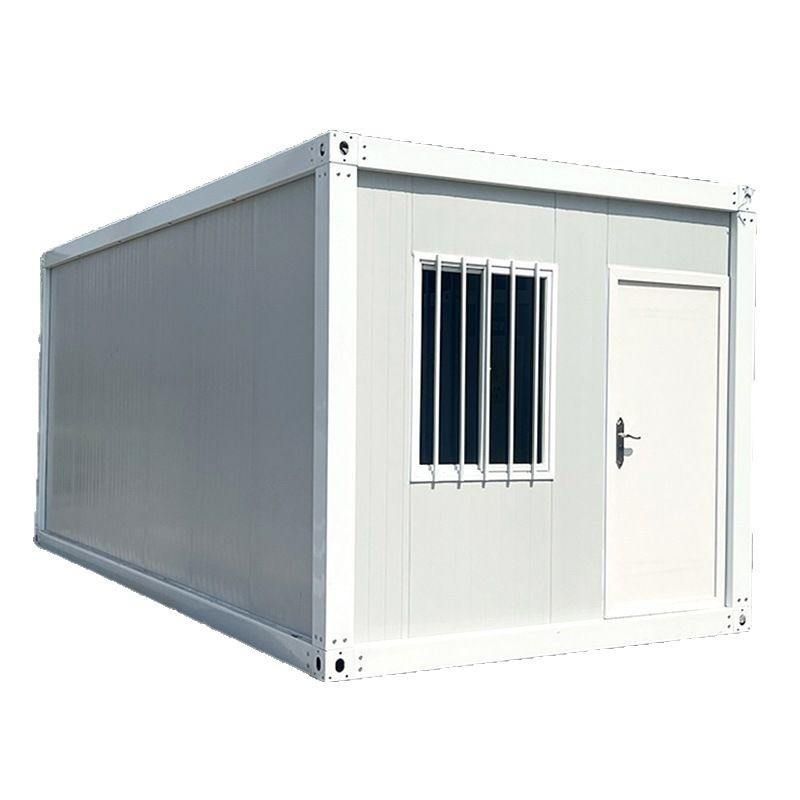
1. Adaptability to Application Scenarios As a细分场景 (sub-scenario) of parks or scenic spots, the design of mobile toilets in gardens should balance functionality and landscape harmony. For example, toilets with wooden or antique-style exteriors can blend in with natural landscapes, reducing a sense of incongruity; the addition of family restrooms (including child seats and handrails) inside can meet the needs of tourists with elderly people or children. If the garden hosts nighttime events, lighting systems and non-slip floors should be installed to enhance safety.
2. Product Type and Function Selection
- Environmentally Friendly Type: Foam double-blocking mobile toilets cover excrement with foaming liquid, enabling waterless flushing. They are suitable for garden areas with scarce water resources or ecological sensitivity. Their sealed design effectively isolates odors and reduces mosquito and fly breeding.
- Water-Saving Type: If the garden has access to municipal water supply, water-saving flushing toilets can be chosen, equipped with smart sensor flushing devices that control single-flush water consumption to within 3 liters, balancing hygiene and water conservation needs.
- Customized Design: The exterior materials can be customized according to the garden's theme (such as European-style gardens or Chinese-style landscapes), such as metal carved panels or anti-corrosion wood; the interior space can be adjusted to single toilet stalls, multiple toilet stalls, or barrier-free dedicated rooms, flexibly matching visitor traffic.
3. Service Modes Matching Needs
- Short-Term Rental: Suitable for temporary events such as flower exhibitions and weddings, service providers offer "one-stop" services, including transportation, installation, commissioning, and post-event recovery, reducing the operational costs of garden management.
- Long-Term Purchase: If the garden requires fixed sanitary facilities, finished or customized products can be purchased, with the supplier responsible for installation, commissioning, and regular maintenance (such as quarterly cleaning and consumable replacement) to ensure long-term stable operation of the equipment.
4. Construction and Operation and Maintenance Points
- Layout Planning: Toilet locations should be set along the main sightseeing routes of the garden, ensuring that tourists can reach them within a 5-minute walk; the proportion of barrier-free toilet stalls should comply with the "Urban Public Toilet Design Standard" (such as not less than 5% of the total toilet stalls).
- Sewage Treatment: Gardens without municipal sewer networks should adopt solid-liquid separation technology (separately treating feces and urine) or microbial degradation technology (decomposing organic matter through bacterial strains) to avoid polluting soil and groundwater; the treated residues can be recycled as organic fertilizers.
Extended Suggestions: For further optimization of the plan, you can contact local service providers in Changzhou (such as Suzhou Duomai Public Facilities Co., Ltd., phone: 0512-66384344) for on-site surveys to obtain customized designs including 3D renderings, budget lists, and construction schedules.



