
Changzhou Container House Self-Assembly
Container houses in Changzhou can be self-assembled, but this requires professional manufacturer guidance and standardized processes. The core of self-assembling container houses lies in the matching of modular design and standardized components. The feasibility and key operational points are as follows:
1. Modular Design Reduces Assembly Difficulty
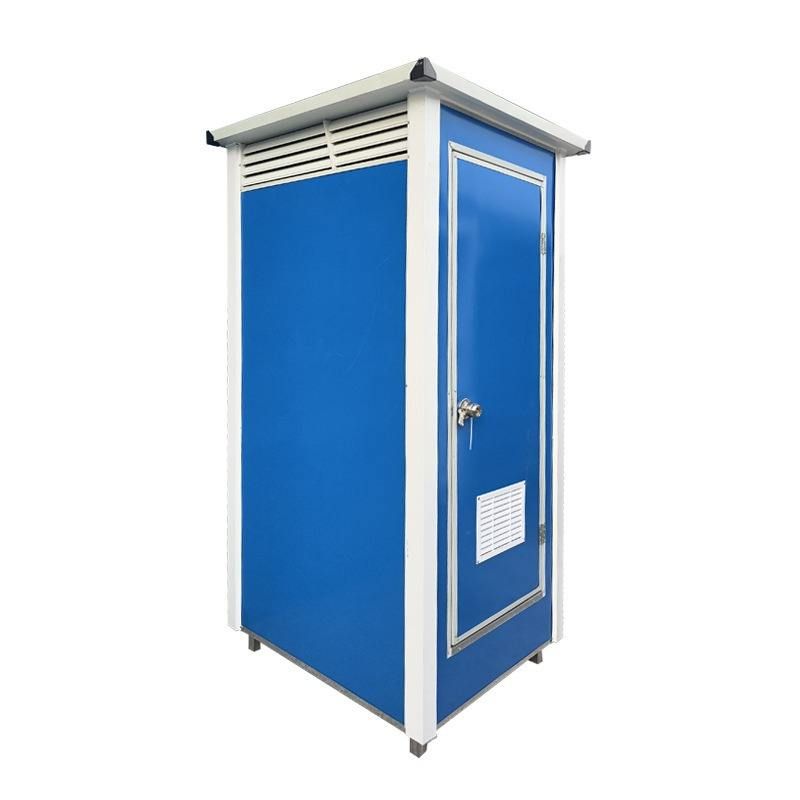
Container houses produced by local Changzhou enterprises such as Jiangsu Xingxu Integrated Housing Technology Co., Ltd. adopt standardized component designs, featuring tight structures and excellent sealing performance. Their components are connected with bolts, allowing users to complete basic assembly according to the instructions without complex welding or cutting processes. For example, walls and roof panels usually have pre-embedded water and electricity pipelines, and on-site work only involves connecting the pipelines and fixing the modules, significantly lowering the technical threshold.
2. Manufacturers Provide Assembly Support Services
Some enterprises, such as Changzhou Yongyou Portable House Co., Ltd., offer integrated “design-production-installation” services. Users can purchase semi-finished modules and assemble them themselves or choose to have the manufacturer send technicians for on-site guidance. For example, their lightweight steel modular portable houses are combined using standard modules, and users can complete the main structure assembly by fixing the length and width components with bolts. The manufacturer also provides video tutorials or online Q&A sessions.
3. Self-Assembly Must Meet Compliance Requirements
According to local Changzhou cases, if container houses are used as temporary buildings (such as construction site dormitories), prior reporting to the urban management and planning departments is required to ensure they do not occupy public spaces or affect safety. For example, Changzhou Decke Foldable Portable House Co., Ltd. clearly states that engineering residential containers must be approved by the headquarters through coordination among various departments before construction and must be dismantled immediately after completion to avoid being identified as illegal structures.
4. Materials and Processes Ensure Safety
Self-assembled houses require fire-resistant and rust-proof materials. Changzhou enterprises generally use hot-dip galvanized cold-formed steel as the frame, paired with rock wool or polyurethane sandwich panel walls, balancing structural strength and thermal insulation performance. The floor usually uses cement fiber boards or steel-wood composite floors to ensure load-bearing capacity. Users should check whether the component connection points are tight during assembly to avoid safety hazards caused by loose bolts.
5. Applicable Scenarios and Limitations
Self-assembled container houses are suitable for temporary needs (such as exhibitions and disaster relief) but require anti-corrosion treatment and regular maintenance for long-term use. For example, the packing-box units from Suzhou Zhishang Integrated Housing Technology Co., Ltd. support repeated disassembly and assembly but require replacement of the sealing strips every five years to prevent water leakage. In addition, the sound insulation and thermal insulation performance of self-assembled houses may be slightly lower than those of factory-welded products, and users can choose to add sound insulation cotton or double-glazed windows according to their needs.



