Changping Container Mobile Toilet
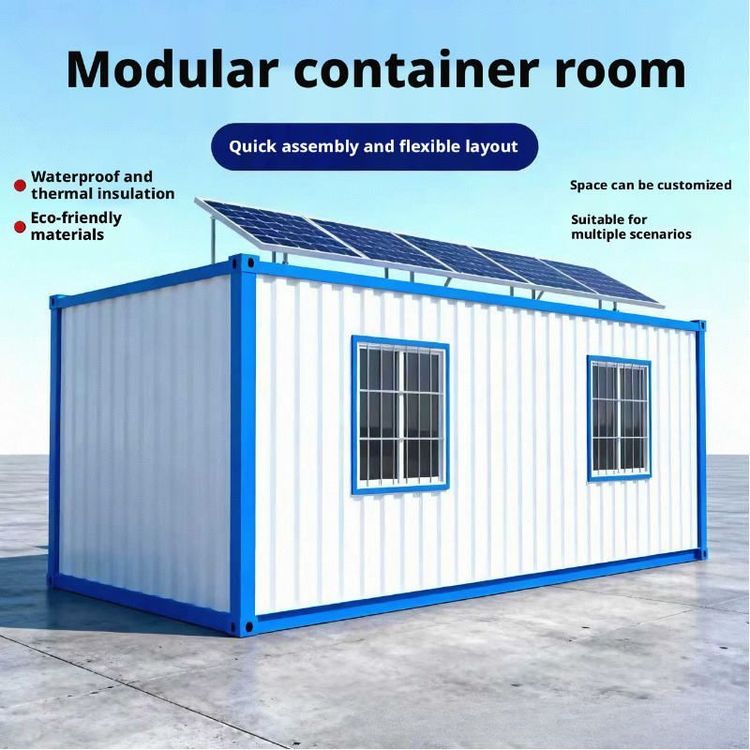
The Changping container mobile toilet is a flexible sanitation facility that uses container modules as carriers and integrates various technologies to achieve independent operation.

Dimensions and Specifications
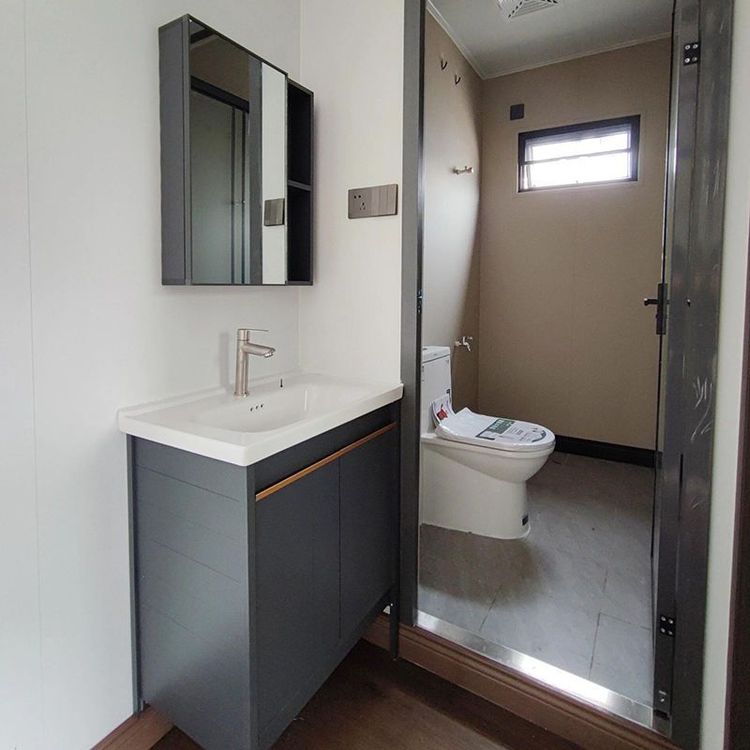
The most common single-pit independent mobile toilet has an external length ranging from 1.2 to 1.5 meters, a width from 1.0 to 1.2 meters, and a height of approximately 2.2 to 2.5 meters. The internal clear space must account for wall thickness. A well-designed standard single-pit mobile toilet should accommodate a standard toilet or squat toilet and provide sufficient space for users to turn around, sit, and organize their clothing. The internal height should ensure that most users do not feel oppressed when standing and facilitate the installation of ventilation and lighting equipment.
Functional Characteristics
- Sewage Discharge Technology: It employs vacuum negative pressure technology, creating a continuous low-pressure environment within the pipes to reduce the water consumption per flush to less than one-tenth of that of traditional water-flush toilets. At the same time, it uses airflow to carry waste into a sealed collection tank, minimizing odor diffusion at the source.
- Energy Supply: Typically equipped with photovoltaic panels and battery packs, it stores electrical energy during the day for nighttime lighting, ventilation, and system control. Some models also incorporate cogeneration modules that generate electricity using methane produced by the anaerobic fermentation of waste, forming a closed-loop energy management system.
- Resource Treatment: Biologically treated container public toilets adopt a dry-wet separation mechanism. Urine is converted into irrigation water through membrane filtration technology, while feces are composted through the addition of biological agents for aerobic composting, ultimately producing organic fertilizer.
Application Scenarios
Its modular nature allows for dynamic adjustment of deployment density based on population density. For example, during peak tourist seasons in parks or around event venues, additional units can be quickly installed through lifting. In suburban areas or ecologically sensitive zones with low pipeline coverage, its decentralized treatment capability reduces the risk of direct sewage discharge.
Limitations
Energy efficiency is constrained by the sunshine duration and average temperature of the region. In extreme weather conditions, a backup diesel generator may be required. Microbial degradation efficiency is significantly affected by ambient temperature, requiring additional heating in sub-zero temperatures. The container steel plate may rust in continuously humid environments, and internal pipe seals need regular replacement, resulting in higher maintenance frequency compared to fixed public toilets made of tiles and stainless steel. The internal space height is limited (standard container height is about 2.4 meters), making it less user-friendly for individuals with mobility impairments compared to specially designed barrier-free public toilets.