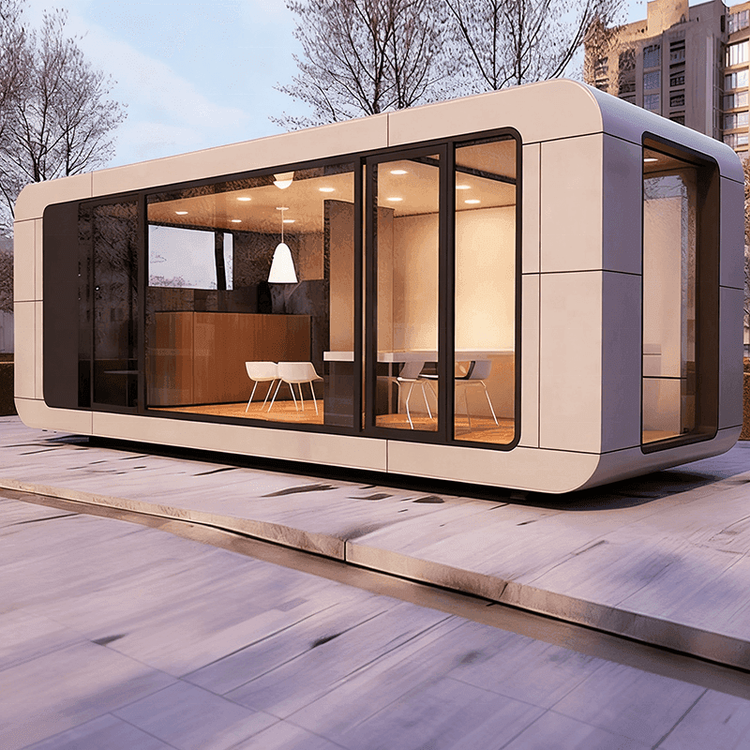
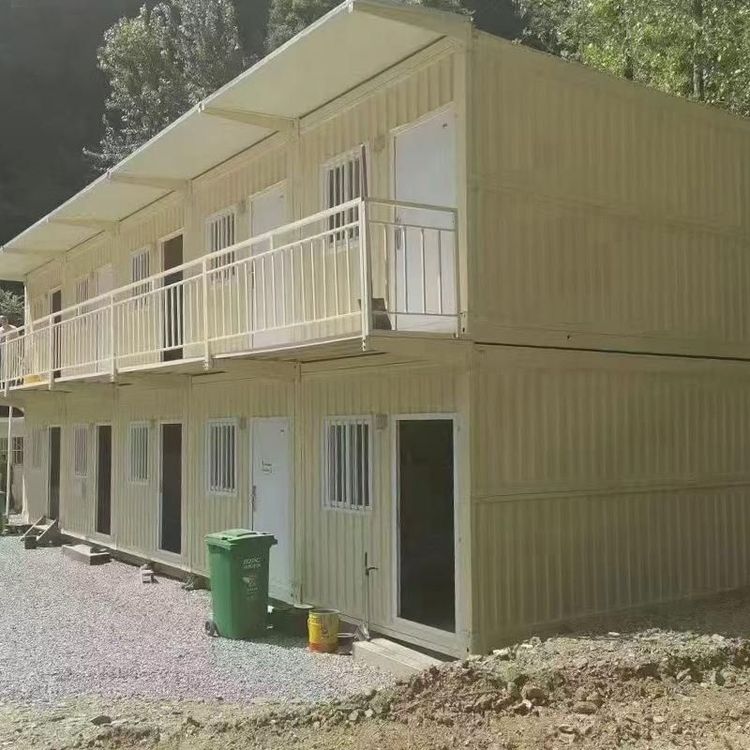
Changji Mobile Toilet Design
The design of Changji mobile toilets features complete functionality, high-quality materials, user-friendliness, and modularity.

In terms of functional completeness: The interior of Changji mobile toilets is fully equipped. The flushing device ensures basic cleanliness needs, making post-use cleanup convenient and efficient. The sink allows users to clean their hands after use, maintaining hygiene. The mirror meets people's needs for grooming, providing a user experience close to that of a fixed restroom. Some models are also equipped with water-saving systems, which effectively conserve water resources while ensuring normal usage functions, aligning with current environmental protection and energy-saving concepts.
Regarding material selection: Their outer shells are mostly made of fiberglass, metal panels, or composite materials. These materials possess anti-corrosion and wear-resistant properties, enabling them to adapt to different usage environments. Whether exposed to outdoor weather conditions like wind and sun or subjected to wear and tear from frequent use by people, they can ensure that the appearance and structure of the toilets remain unaffected, extending the service life of the mobile toilets.
In terms of user-friendly design: The interior structure focuses on space utilization and user-friendly considerations. The design of non-slip floors effectively prevents users from slipping and falling when entering or exiting the toilet, ensuring safety. The provision of barrier-free access facilitates use by people with mobility impairments, demonstrating care for special groups. Some models also take into account the needs of special groups and are specifically equipped with dedicated toilet stalls, further enhancing the applicability and convenience of the mobile toilets.
Regarding modular design: Changji mobile toilets adopt a modular design concept, with the main structure manufactured in the factory. This production method ensures the consistency and stability of product quality while improving production efficiency. After being transported to the site, they only require simple installation to be put into use, greatly reducing on-site construction time and minimizing the impact on the surrounding environment caused by construction, such as noise and dust, making them more environmentally friendly and efficient.