Changchun Water-Flush Mobile Toilet
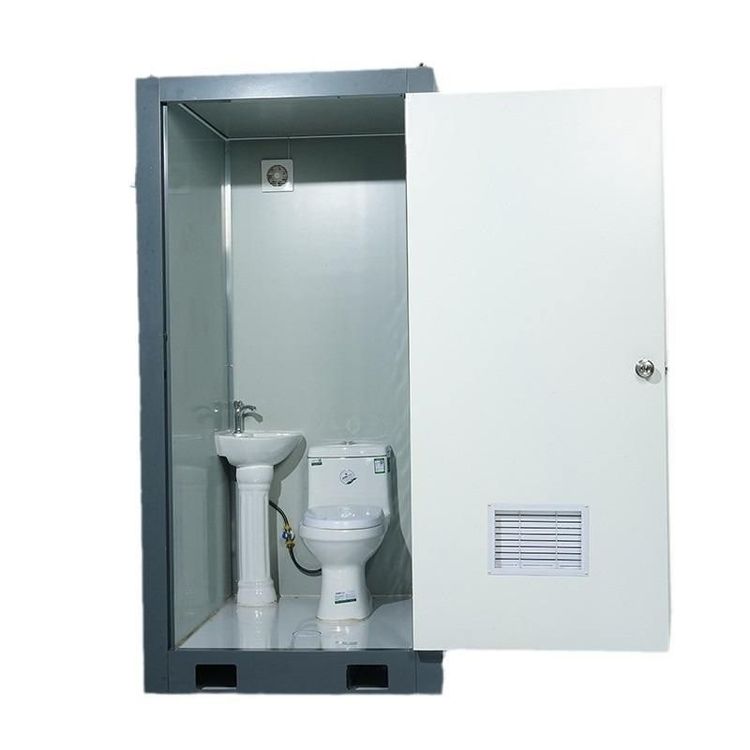
The Changchun water-flush mobile toilet is a type of mobile toilet that combines a water-flush system with a sewage storage tank. It relies on water flow to flush waste into the storage tank, which is subsequently cleared by specialized vehicles. This type of toilet is suitable for various temporary or specific scenarios.

Significant Price Differences: The prices of Changchun water-flush mobile toilets vary widely depending on the brand and specifications. For example, some products are priced at ¥1450.00 each (with a minimum purchase of 20 units), while foam-sealed mobile toilets in Changchun, Jilin, can cost up to ¥7500.00 each (with a minimum purchase of 1 unit). The price differences primarily stem from functional configurations, material costs, and technological complexity. For instance, foam-sealed models may incorporate more advanced water-saving or odor-removal systems.
Structural and Material Adaptation to Northern Climates: The main structure is mostly made of lightweight panels, and the interior walls use waterproof composite materials. This not only reduces weight for easier transportation and installation but also enhances thermal insulation performance, effectively coping with the low temperatures in winter in Changchun. Some models are equipped with basic insulation layers in winter to further enhance their cold resistance.
User-Friendly Design for Convenience:
- Space Optimization: Some models feature spacious interiors, facilitating use by wheelchair users or individuals carrying luggage.
- Independent Water Supply: The sink is equipped with an independent water tank, eliminating the need for a fixed water supply network. This makes it suitable for construction sites, outdoor events, and other areas without a fixed water source, although regular replenishment of cleaning water is required.
- Water-Saving Improvements: Recent products adopt a pneumatic-assisted flushing system, reducing single-flush water consumption by approximately 30% compared to traditional direct-flush systems, thereby lowering water resource consumption.
High Maintenance and Management Costs:
- Frequency Requirements: Due to limited sewage storage capacity and independent operation of the equipment, daily cleaning, replenishment of consumables (such as hand soap and toilet paper), and inspection of equipment status are required. The maintenance frequency is higher than that of traditional fixed public toilets.
- Cost Composition: Labor costs account for more than 60% of the total maintenance costs, primarily due to the high frequency of inspections and cleaning requirements.
Flexible Application Scenarios:
- Temporary Events: Such as music festivals, sports events, and other venues with fluctuating visitor numbers, where they can be quickly deployed and removed upon the conclusion of the event.
- Construction Sites: They address the toilet needs of construction workers without the need for laying sewage pipes, reducing construction costs.
- Transitional Areas: Such as during the renovation of old residential areas, serving as a temporary replacement after the removal of fixed public toilets.
Technological Upgrades Enhance Experience: Some new products incorporate activated carbon filtration devices to reduce odor concentration inside the toilet by adsorbing odor molecules. Combined with regular cleaning, this significantly improves the user experience.