
Changchun Residential Container House
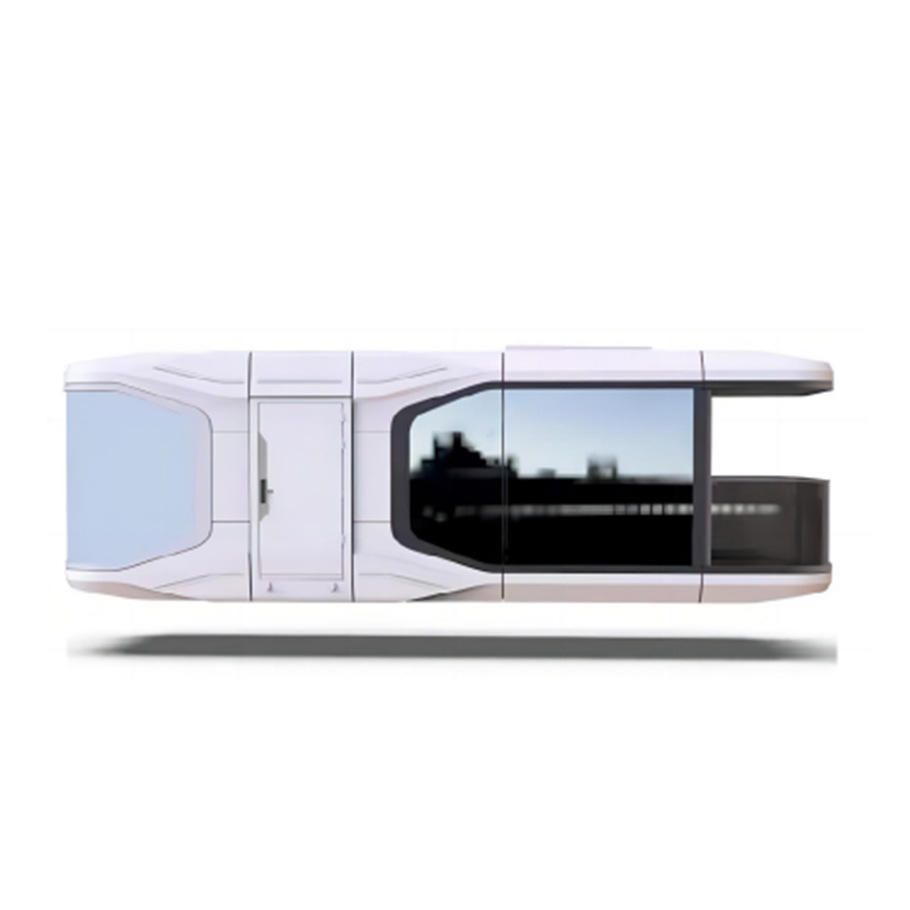
The Changchun residential container house is a prefabricated living unit that integrates internal systems, adopts modular design, and features high adaptability and flexibility, suitable for both temporary and long-term living. The following provides a detailed introduction from the aspects of technical features, application scenarios, and advantages:
Technical Features
The Changchun residential container house is not a simply modified container but a complete living unit that integrates systems such as electrical wiring, water supply and drainage pipes, and thermal insulation layers. Its construction relies on modular design, with each cabin serving as an independent functional unit. The internal space division is completed before leaving the factory, and larger composite spaces can be formed through horizontal or vertical connections using standard interfaces. The walls are made of composite materials that balance structural strength and thermal performance, and the choice of insulation materials enables adaptation to different climatic conditions. The integration of internal systems is a key feature. For example, the pre-embedded electrical wiring in the power system must comply with electrical safety standards for residential buildings and reserve interfaces for connection to external power grids or off-grid energy systems. The water supply and drainage system has been pre-designed and tested to ensure tightness and reduce on-site installation procedures.
Application Scenarios
The Changchun residential container house is widely used in scenarios such as temporary offices and worker dormitories on construction sites. For example, the site containers provided by Yueyang Steel Structure can be customized as temporary offices or dormitories, supporting private customization to meet the needs of projects of different scales. In addition, its flexible combination methods (such as vertical stacking and 360-degree combination) enable it to adapt to space limitations on construction sites and form functional areas such as internal corridors.
Advantages
- Cost Optimization: Compared with traditional color-steel houses and other container houses, residential container houses have certain advantages in terms of production, transportation, storage, and usage costs. For example, the transportation cost of folding houses is low. A 6-meter vehicle can carry about 6 sets, and a 17.5-meter flatbed truck can carry about 20 sets. During storage, multiple sets can be stacked in one place to reduce space occupation.
- Easy Installation: On-site installation and disassembly are convenient, and 2-3 people can cooperate to complete the operation. The installation time is relatively short, making it suitable for the rapid deployment needs of construction sites.
- Strong Durability: High-quality raw materials are used, providing fire resistance, earthquake resistance, wind resistance, and rain leakage prevention. It can be folded repeatedly more than 500 times and has a long service life under reasonable use conditions.
- Environmental Adaptability: Enhanced insulation design can block cold bridges, achieving excellent thermal insulation effects, improving livability, and adapting to different climatic conditions.



