Changchun Mobile Toilet Rental Methods
The rental methods for mobile toilets in Changchun are primarily aimed at temporary event scenarios, achieving effective allocation of facilities within specific time and space through professional operations. The core processes include demand assessment, standardized services, technical configuration, and scenario adaptation.

1. Demand Assessment and Plan Formulation
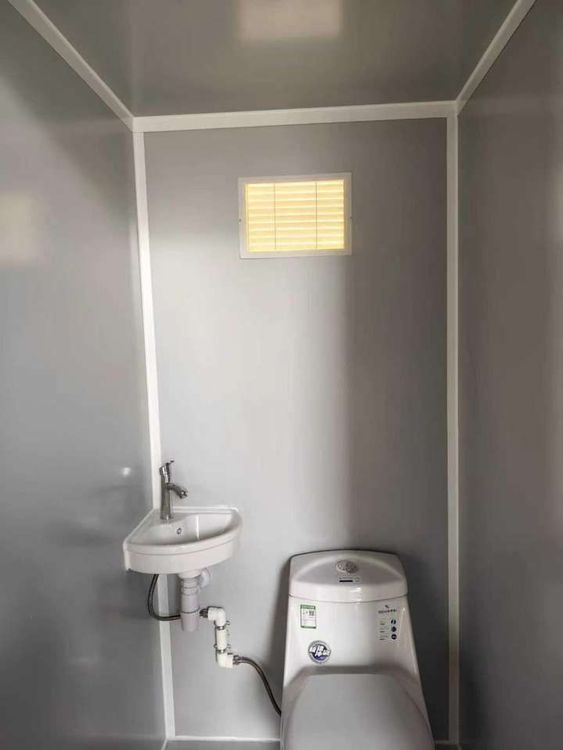
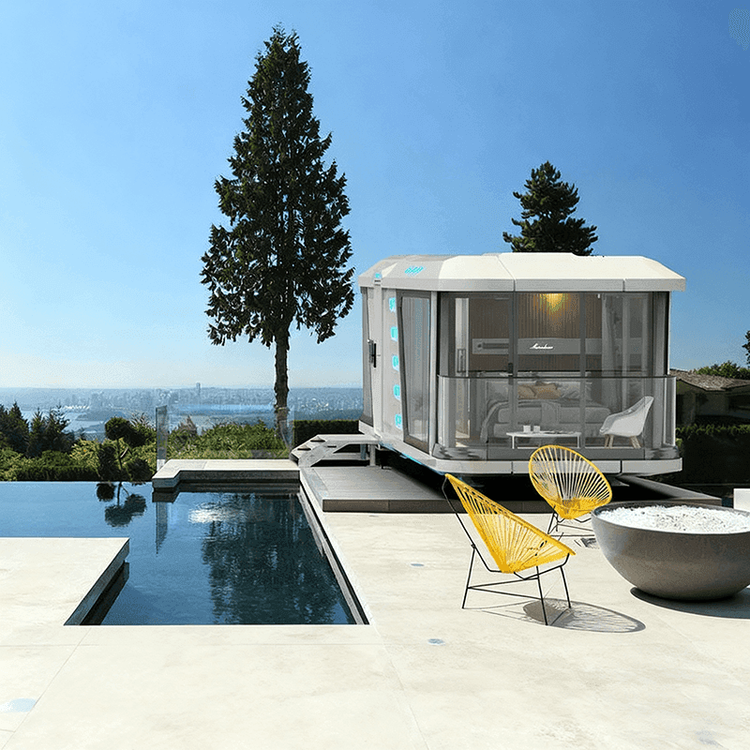
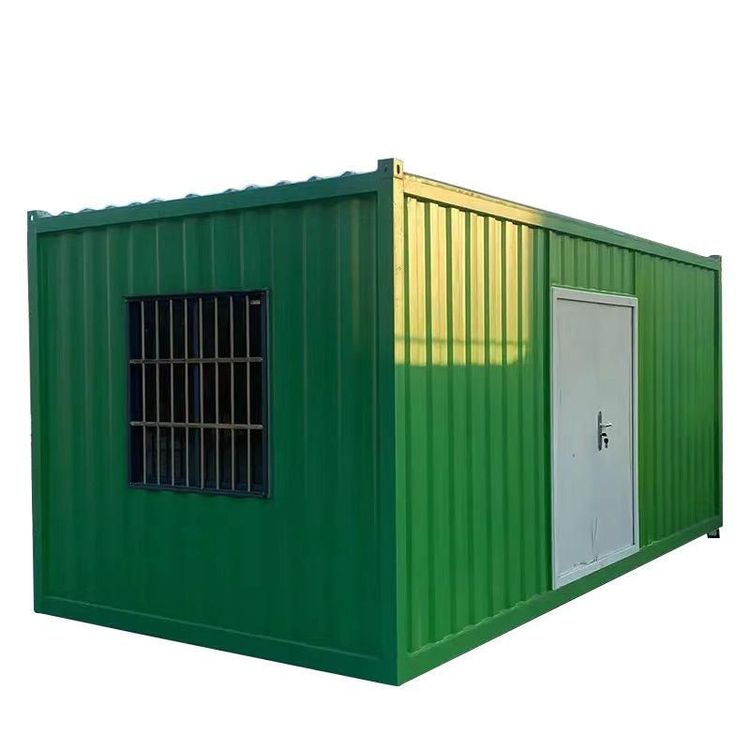
Operators need to conduct a comprehensive assessment based on the scale of the event, duration, expected foot traffic, and site conditions (such as ground flatness and water and electricity connection points). Based on the needs, the model and quantity of mobile toilets are determined: Basic models only meet the needs of using the toilet and washing hands, suitable for small events; Enhanced-function models are equipped with barrier-free access, baby care stations, air conditioning, etc., suitable for large events or events with special populations. In addition, service providers can offer customized appearance services to match the event theme or site style.
2. Standardized Service Process
Rental services cover the entire lifecycle management:
- Equipment Delivery and Installation: Service providers transport the mobile toilets to the site at the agreed time, complete assembly and commissioning, and ensure the normal operation of the water and electricity systems.
- Daily Maintenance: Regular cleaning and disinfection, replenishment of consumables (such as toilet paper and hand soap), and monitoring of the performance of the waste treatment system (biodegradation or chemical treatment).
- Emergency Response: Some service providers offer 24-hour breakdown repair services to ensure quick resolution of sudden issues (such as flushing system failures).
- Recovery and Dismantling: After the event, the service provider is responsible for equipment dismantling, transportation, and site restoration.
3. Technical Configuration and Guarantee
Mobile toilets consist of four major modules:
- Functional Cabin: Made of high-strength materials to ensure structural stability.
- Waste Treatment System: Biodegradation technology uses microorganisms to decompose excreta, reducing odors; chemical treatment uses specialized agents for disinfection.
- Water Supply Module: Depends on external water trucks or built-in water tanks, with some high-end models equipped with circulation filtration systems to conserve water.
- Lighting Module: Supports municipal power supply, generators, or solar power to adapt to outdoor scenarios without grid coverage.
Technical reliability directly affects user experience, so it is necessary to choose service providers with mature treatment solutions.
4. Scenario Adaptability
Configuration parameters need to strictly match scenario characteristics:
- High-foot-traffic events (such as music festivals and exhibitions): It is necessary to strengthen structural strength, flushing system efficiency, and sewage discharge capacity to avoid queuing congestion.
- Occasions with high aesthetic requirements (such as weddings and celebrations): Attention should be paid to appearance design, such as using brick-like patterns or wooden textures for decoration.
- Special environments (such as plateaus and extremely cold regions): Special models that are resistant to low temperatures and wind and sand need to be selected.
The rental contract should clearly define the boundaries of service responsibilities, focusing on the service provider's continuous management capabilities regarding the operational status of the equipment to avoid sanitation issues or service interruptions due to inadequate maintenance.