
Cement Prefabricated House Franchise
Franchising in cement prefabricated houses is an entrepreneurial choice that combines market potential with policy incentives, suitable for small and medium-sized investors to enter the rural and township construction markets.
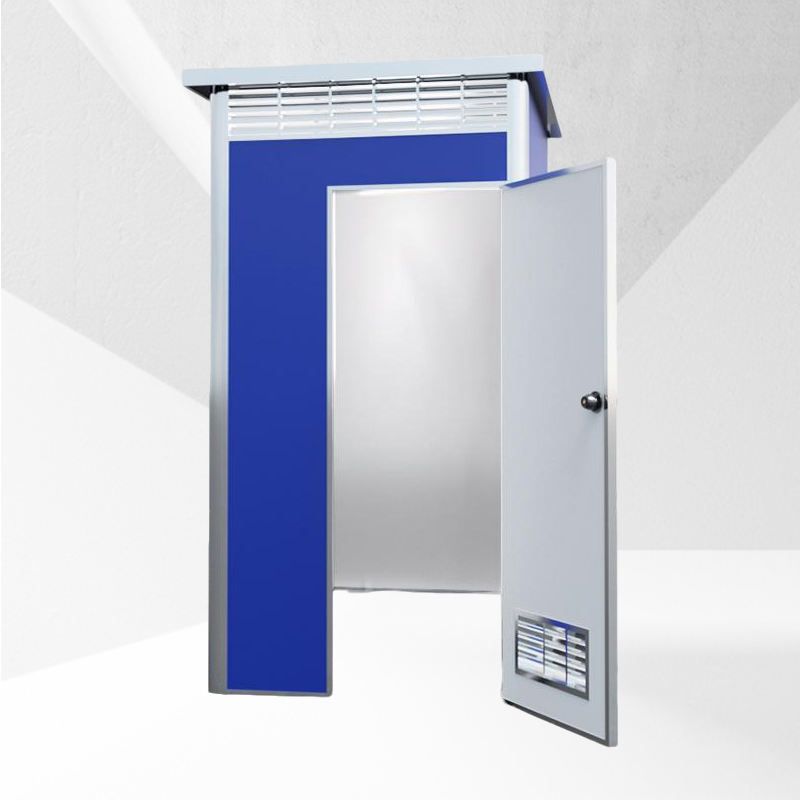
1. Market Demand and Growth Potential
The rural self-built housing market is worth 300 billion yuan annually, with the penetration rate of prefabricated buildings increasing by an average of 15% per year. Prefabricated cement houses, due to their low cost, short construction period, and strong environmental protection, have become the mainstream choice for renovating farmers' self-occupied houses, township shops, rural tourism homestays, and other scenarios. The domestic prefabricated building market maintains an annual growth rate of over 15%, with cement prefabricated components occupying a dominant position. Driven by policies, the demand for green buildings continues to be released, indicating a vast market space.
2. Cost and Profit Advantages
Compared with traditional brick-and-mortar structures, the unit construction cost of prefabricated cement houses is reduced by more than 30% (e.g., the construction cost of a 100-square-meter building drops from 120,000 yuan to 80,000 yuan), with a gross profit margin exceeding 35%. The comprehensive cost of a single house is compressed to 70% of that of a traditional structure, with a market selling price of 600-800 yuan per square meter, offering significant profit margins. Case studies show that a franchisee in East China initially invested 350,000 yuan and achieved an average monthly net profit of 42,000 yuan after six months; a franchisee in Zhejiang delivered 32 sets in the first year, with a net profit of 680,000 yuan, indicating a short payback period and stable returns.
3. Franchise Support and Operational Model
The brand provides full-process support, including technical training, a standardized product catalog, an information-based order-taking system, and regional logistics sharing, lowering the barriers to entrepreneurship. Some brands introduce a “1:10 cost model,” meaning that an investment of 100,000 yuan in equipment and raw materials can undertake orders worth 1 million yuan, achieving asset-light operations. The franchise plan covers core aspects such as site selection evaluation, equipment debugging, and marketing strategies, helping franchisees quickly establish their businesses.
4. Technological Upgrades and Policy Support
Leading enterprises have developed fifth-generation products, achieving breakthroughs such as earthquake resistance of magnitude 8, a 40% improvement in thermal insulation performance, and a service life exceeding 50 years, meeting high-standard construction requirements. The state promotes the development of green buildings, with local governments providing subsidies for prefabricated building projects, further reducing investment risks.
5. Investment and Risk Avoidance Recommendations
The investment for a single house is approximately 80,000-150,000 yuan. It is recommended to adopt a “model house + customization” model to reduce initial costs. Prioritize certified brands, verify manufacturer qualifications, and conduct on-site inspections of production bases. Site selection for factory establishment should focus on urban-rural fringe areas with convenient transportation and strong infrastructure demand, while simultaneously researching local policies and competitive landscapes. Key points for risk avoidance: Calculate regional carrying capacity (estimate annual demand at 5‰ of the permanent population) to ensure a market capacity of 5,000 sets within 200 kilometers; initially focus on 2-3 popular house types and use VR displays to reduce sample display costs.



