
After Decoration of Cement Prefabricated Houses
After the decoration of cement prefabricated houses, there are diverse effects, combining stylistic features with performance advantages, but there are also some potential issues.
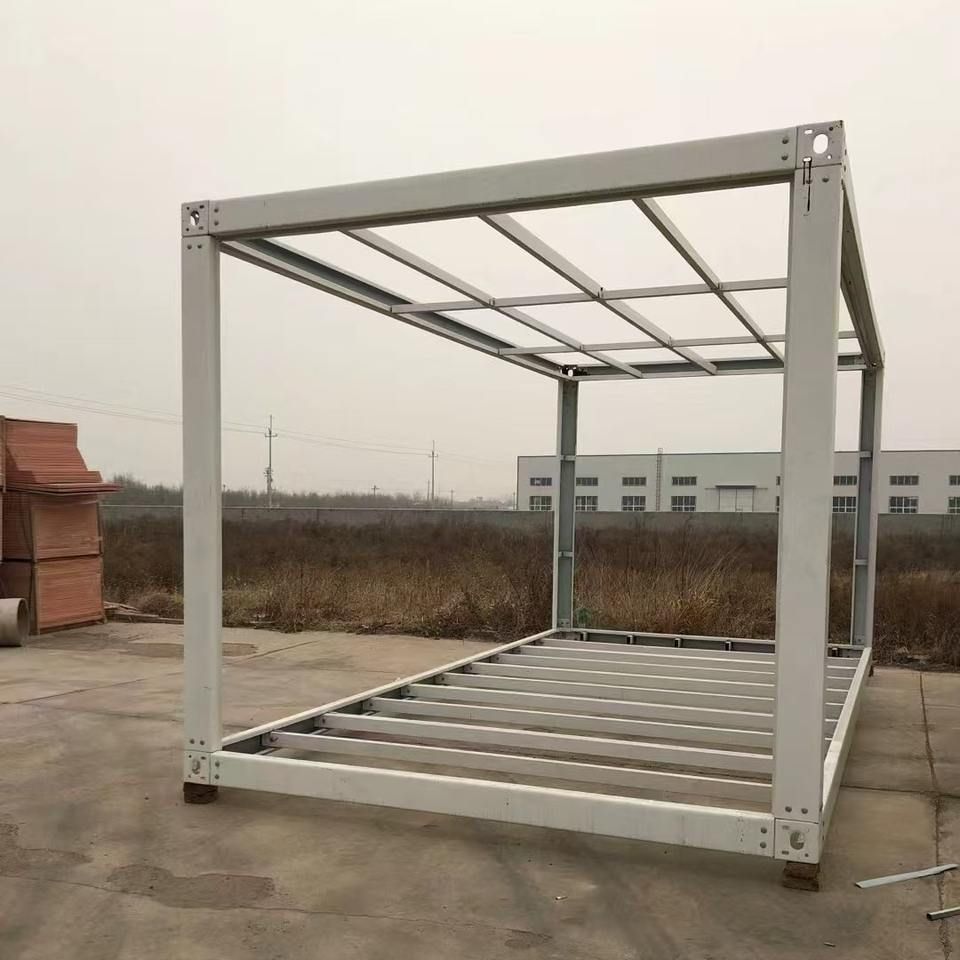
I. Style Presentation After the decoration of cement prefabricated houses, a unique rugged and natural aesthetic can be achieved. For example, when a raw house is directly decorated with cement, the exposed cement walls and open layout form a unified style. Paired with floor-to-ceiling windows, personalized sofas, and cool coffee tables, a loft industrial-style space can be created, combining a sense of neatness with a touch of life. This style emphasizes the texture of raw materials and is suitable for residents who pursue personalized and minimalist designs.
II. Performance Characteristics
- Safety Performance: Custom-assembled cement houses are equipped with multiple protective capabilities, including earthquake and pressure resistance, fire and flame retardance, corrosion resistance, and weathering resistance, effectively addressing natural disasters and daily wear and tear.
- Environmental Adaptability: Through insulation and energy-saving design, cement houses can reduce energy consumption; wind and moisture-proof technologies can minimize the erosion of structures in humid environments, making them particularly suitable for rainy or coastal areas.
- Sound Insulation and Fire Resistance: Cement materials inherently have good sound insulation effects, reducing interference from external noise; at the same time, their fire resistance is superior to wooden structures, slowing the spread of fire and enhancing residential safety.
III. Potential Issues
- Structural Risks: Due to design standards and material process limitations, prefabricated cement houses built early on may experience wall cracking and roof leakage after ten years of residence. Structural cracking can threaten the overall stability of the house, while leakage is difficult to repair and prone to recurrence.
- Moisture Return and Sound Insulation Defects: Cement houses on the ground floor or in basements are prone to moisture return on floors and walls, leading to moldy furniture; early prefabricated floor slabs are only 8-10 centimeters thick, and walls are thin, resulting in extremely poor sound insulation and affecting residential privacy.
- Maintenance Requirements: Natural aging and insufficient long-term maintenance can exacerbate the above issues, necessitating regular inspections of walls, roofs, and pipelines, as well as timely repairs of cracks and leakage points to extend the lifespan of the house.
In conclusion, the effects after the decoration of cement prefabricated houses depend on the construction era, material processes, and design standards. Modern custom-assembled cement houses offer excellent performance, while earlier houses require maintenance to improve defects. Residents should weigh their choices based on actual needs.
You may also like

Portable Toilet Eco-Friendly: MOQ, Samples & Quotation Guide
Read More
Top Portable Toilet Color Steel Manufacturers: How to Choose a Factory Partner
Read MorePortable Toilet Picture: Types, Features & Buying Tips
Read More