
Bathroom in Cement Prefabricated House
The relevant solutions for bathrooms in cement prefabricated houses mainly include the cement prefabricated slab elevated process and the cement septic tank renovation plan.
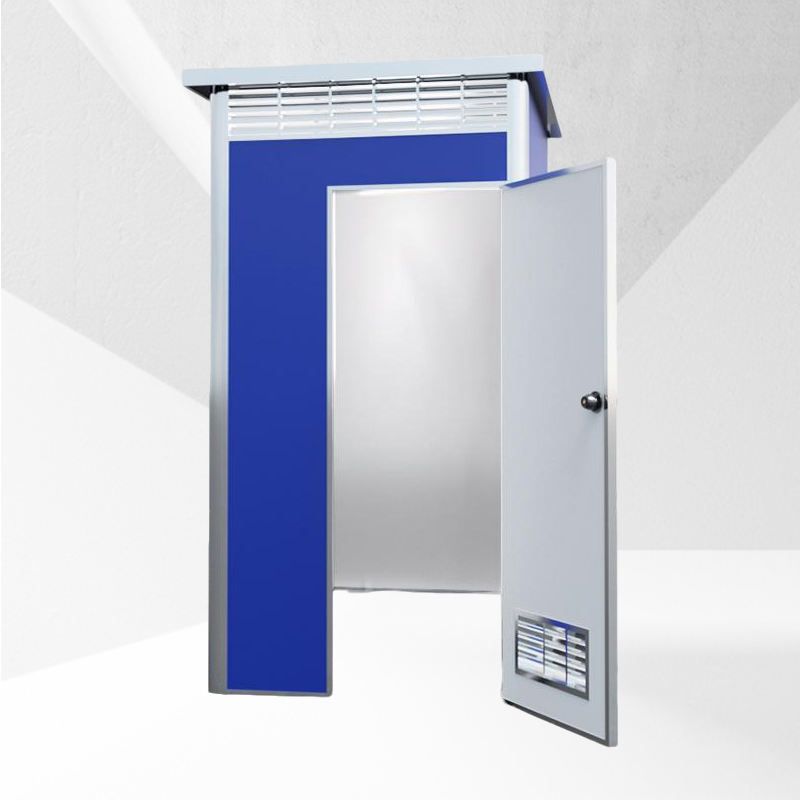
Cement Prefabricated Slab Elevated Process
After the pipeline laying in the bathroom is completed, directly use red bricks and cement piles to build a base frame. Once the prefabricated cement slabs are completely dry, install them on top of the red bricks and cement piles to create an elevated state. This process has significant advantages: It is cost-effective. Compared to other complex bathroom floor treatment methods, the material and construction costs are relatively low. It is lightweight and practical. The weight of the prefabricated cement slabs is moderate, making them easy to handle and install. It reduces the load on the floor slab. The elevated structure distributes the weight of the bathroom to the red bricks and cement piles, reducing the direct pressure on the floor slab. However, there are also points to note in this process: It has higher requirements for waterproofing and drainage. Due to the elevated structure, if the waterproofing treatment is improper, water can easily leak into the space below, causing damage. The construction requirements are more complex. Accurate measurement and base frame construction are needed to ensure the stable installation of the prefabricated cement slabs.
Cement Septic Tank Renovation Plan
In the renovation of toilets in rural self-built houses, small prefabricated cement septic tanks are cast in one piece using reinforced concrete. This type of septic tank has many advantages: It has a stable structure. The reinforced concrete material enables it to withstand relatively large pressure and impact forces, making it less likely to be damaged. It has good anti-seepage performance. The one-piece casting method avoids the existence of gaps, effectively preventing sewage leakage. It offers high cost-effectiveness. Compared to septic tanks made of other materials, its cost is relatively low, and it has a long service life. Its standard three-compartment structure effectively treats sewage through sedimentation, anaerobic fermentation, and stratified purification, in line with rural household toilet construction standards. During standardized installation, attention should be paid to reasonable site selection, avoiding areas close to water sources and residential areas. The foundation pit should be flat and solid to ensure the stable installation of the septic tank. The pipeline connection should be accurate to prevent sewage leakage. Daily maintenance is simple, requiring only the removal of sediment once every 1-2 years.



