Relocation of Cat Litter Box
The relocation of the cat litter box should follow a scientific strategy to avoid causing stress or abnormal excretion behavior in cats due to improper operation. The following are specific considerations:
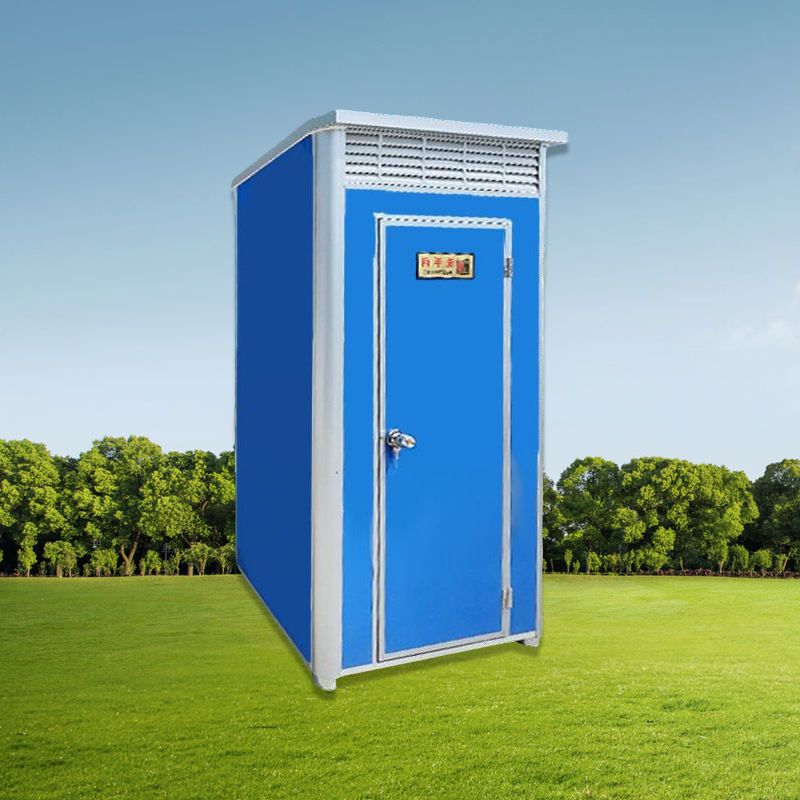
I. Relocation Strategies Should Be Implemented According to Different Scenarios
For outdoor relocation, the litter box should be slowly moved at a speed of 0.5-1 meter per day, while retaining the original smell of the box (avoid over-cleaning the old litter). The relocation path should avoid contaminated areas such as vehicle lanes and garbage dumping areas. For indoor relocation, thoroughly clean the original location (eliminate odor residues), retain a small amount of feces in the litter box as an odor marker, and attract the cat to actively explore the new location through food guidance or toys. If necessary, the old location can be temporarily retained as a transition.
II. Adaptive Observation is a Key Link
After relocation, continuously monitor the cat's defecation pattern for 3-7 days, focusing on the following indicators:
- Defecation frequency: If it decreases by more than 30% or there is no defecation for more than 24 hours, pause the relocation and move back 50% of the distance;
- Defecation location: If the cat continues to defecate in the old location or in non-litter box areas, it indicates that it has not adapted to the new environment, and the location selection or relocation speed needs to be re-evaluated;
- Behavioral signals: Frequent scratching outside the litter box, wandering between the old and new locations, etc., indicate that the cat is anxious and the relocation pace needs to be slowed down.
III. Location Selection Should Meet Core Conditions
Outdoor environments should meet the following requirements:
- Physical conditions: Be windproof and rainproof (equipped with a windbreak fence with a height of ≥40 cm), have good drainage (a ground slope of ≥5% to prevent water accumulation), and be partially shielded (such as shrubs to reduce exposure);
- Hygiene standards: Be more than 3 meters away from the food bowl (avoid cross-contamination), and install an ultraviolet disinfection device (automatically turned on twice a day for 30 minutes each time);
- Safety isolation: Keep away from potential threat sources such as vehicle lanes, garbage dumping areas, and dog activity areas.
Indoor environments should preferably be selected as follows:
- Ventilated and independent areas: Such as bathrooms and balcony corners, avoiding noisy spaces like living rooms and kitchens;
- Quiet and low-interference locations: Away from vibration sources such as washing machines and air conditioner outdoor units, as well as frequently used walkways;
- Hygiene isolation principle: Keep more than 1 meter away from the food bowl and faucet to prevent the cat from refusing to use the litter box due to a dislike of mixed odors.
IV. Avoid Frequent Adjustments to Fixed Locations
Cats establish spatial awareness through odor markers. Frequent movement of the cat litter box can cause them to lose their way and may trigger随地排泄 (defecation in inappropriate places) behavior. If long-term relocation is required, the gradual relocation method (such as moving 10 cm per day) or the dual-box transition method (keeping both the old and new locations for 2 weeks) should be adopted. In multi-story houses, a separate litter box should be placed on each floor to prevent the cat from giving up using it due to difficulty in finding it.