
Cast-in-Place and Prefabricated Slabs for Houses
There are significant differences between cast-in-place slabs and prefabricated slabs for houses in terms of construction methods, performance, costs, construction periods, and applicable scenarios.
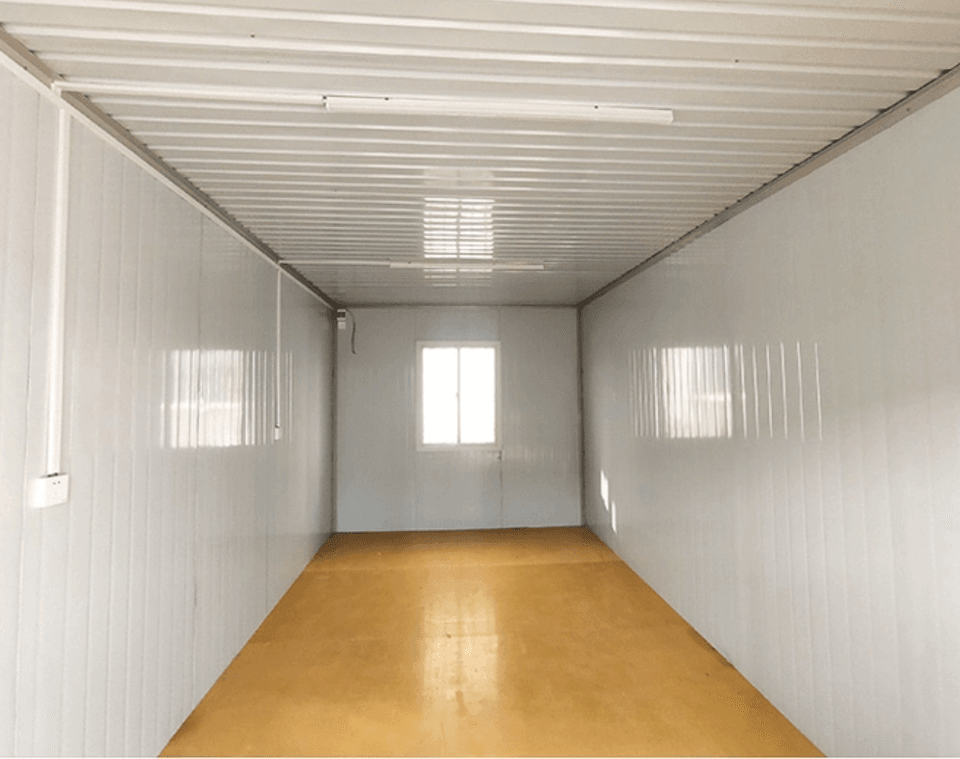
Construction Methods: Cast-in-place slabs are poured on-site at the construction location, using concrete within supported formwork. Workers first set up the molds and bind the steel reinforcement, then pour the concrete and wait for it to solidify. In contrast, prefabricated slabs are cast in specialized molds with uniform specifications and dimensions at a prefabrication plant and are transported to the construction site for assembly and fixation when needed.
Performance: Cast-in-place slabs are monolithically poured, offering strong earthquake resistance and relatively good waterproofing performance. They integrate seamlessly with the overall building structure, enhancing the house's overall integrity and earthquake resistance, with a high load-bearing capacity and a longer service life. In comparison, prefabricated slabs have poor earthquake resistance at the joints and are prone to collapse during earthquakes; they have inherent holes and joints, resulting in poor waterproofing performance, making kitchens and bathrooms prone to leakage over time; they have limited spatial spans and may develop issues such as sinking over time.
Costs and Construction Periods: The construction period for cast-in-place slabs is relatively long, and the costs are higher because it requires on-site installation of steel reinforcement and bottom supports, which need to be removed after pouring, and the concrete alone takes over 28 days to solidify. Prefabricated slabs, on the other hand, are convenient and fast, shortening the construction period and reducing costs. A floor can be completed in just two days, saving 30% on materials and labor.
Applicable Scenarios: Cast-in-place slabs are suitable for high-rise residential buildings, large-span spaces, bathrooms, and other locations, especially for constructing high-rises, curved balconies, or buildings in earthquake-prone zones. Prefabricated slabs are suitable for temporary buildings or situations with extremely tight budgets, but proper joint waterproofing must be ensured. If the construction period is tight and the budget is limited, prefabricated slabs can also be chosen, but they should never be used in storage areas or other locations requiring high load-bearing capacity.
Additionally, cast-in-place and prefabricated slabs can be distinguished by examining the age of the building, the areas where pipes are laid, the internal structure of the house, and by drilling holes in the floor slab.



