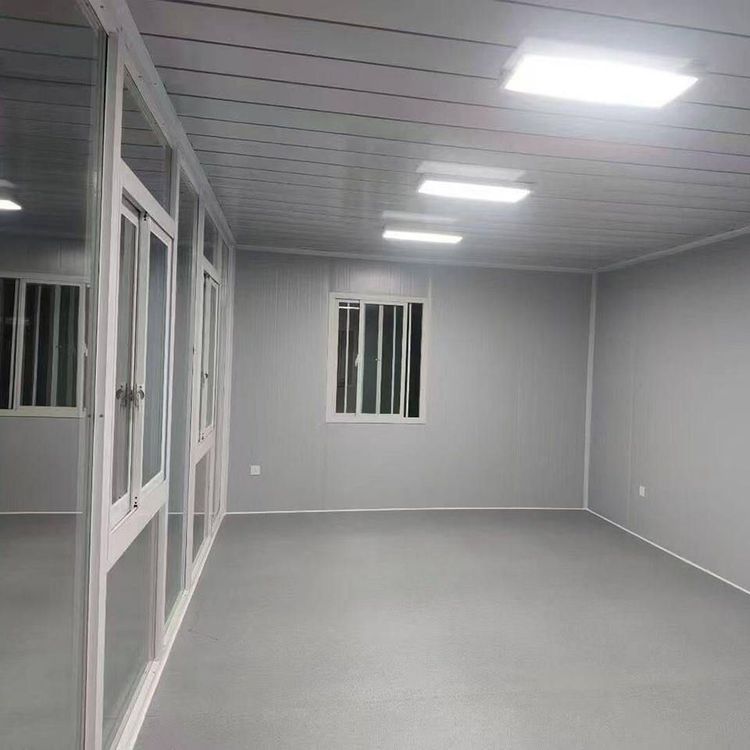
Cast-in-Place and Prefabricated Panel Houses
There are significant differences between cast-in-place panel houses and prefabricated panel houses in terms of construction methods, performance, and applicable scenarios.
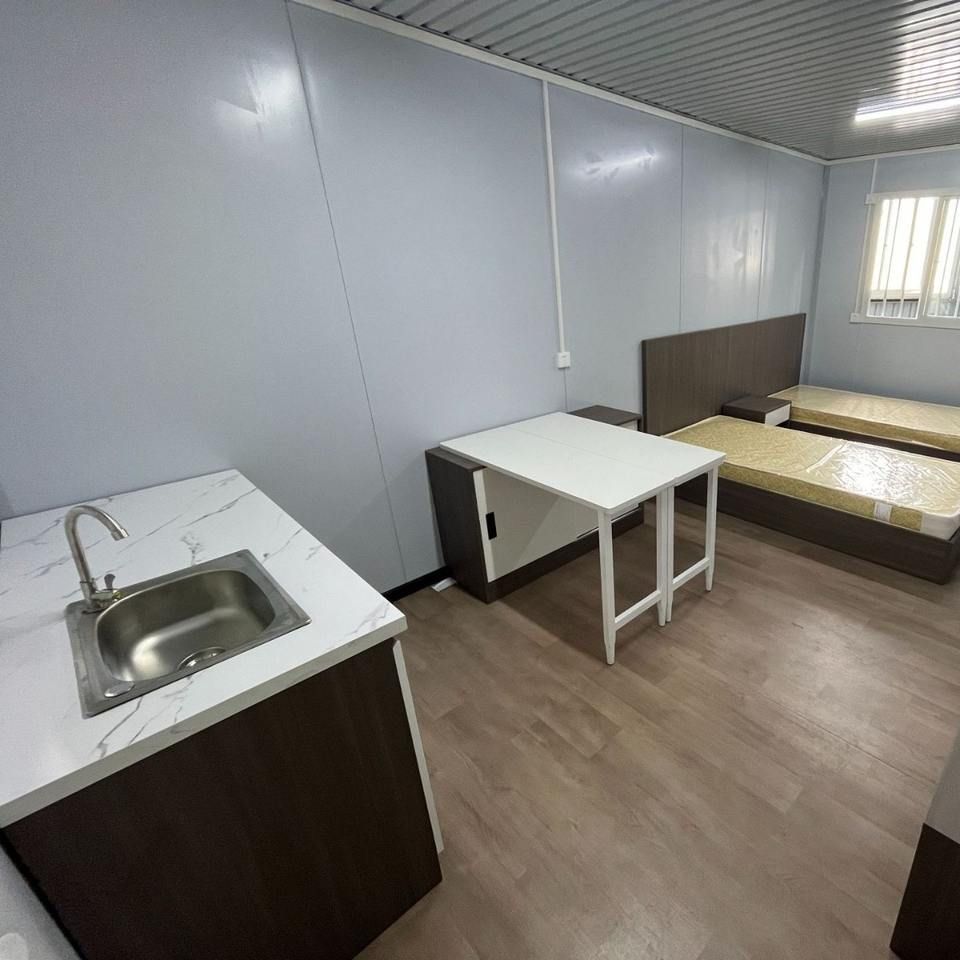
In terms of construction methods, for cast-in-place panel houses, workers first need to set up molds, bind steel bars, and then pour concrete into the molds. After the concrete solidifies and takes shape, the beams, columns, and floor slabs form an integral structure. This construction method is relatively complex, requiring a large amount of on-site work and having a relatively long construction period. On the other hand, the prefabricated panels for prefabricated panel houses are pre-made cement components in factories. During production, wooden molds are first nailed together, then steel bars are arranged and cement is poured. After the cement solidifies, prefabricated panels are formed, which are then transported to the construction site for direct assembly. This construction method is relatively simple, reducing on-site work and shortening the construction period.
In terms of performance, cast-in-place panel houses have good overall structural integrity due to integral pouring, making them highly earthquake-resistant and fully compliant with relevant standards. However, prefabricated panel houses generally have weak earthquake resistance because their components are assembled by splicing, resulting in relatively poor overall integrity. In terms of sound and heat insulation performance, prefabricated panel houses perform poorly. Although the sound and heat insulation situation of cast-in-place panel houses is not mentioned in the search results, they generally have certain advantages in this regard due to their good overall structural integrity. In terms of service life, prefabricated panel houses have a service life of about 30 - 50 years. The service life of cast-in-place panel houses is not mentioned in the search results, but they are likely to have a longer service life under normal use due to their stable overall structure.
In terms of applicable scenarios, cast-in-place panels must be used in high-rise residential buildings, large-span spaces, and bathrooms, which have high requirements for overall structural integrity and waterproofing. Prefabricated panel houses are suitable for temporary buildings or situations with extremely tight budgets. However, when using prefabricated panels, proper joint waterproofing treatment must be carried out to prevent leakage and other problems.
In addition, with the development of building technology, cast-in-place concrete and prefabricated buildings are gradually replacing traditional prefabricated panel houses. Prefabricated buildings use modular factory-prefabricated components. For example, CMC combined modular buildings enhance earthquake resistance through integral steel-concrete pouring, and the construction period is 30% shorter than traditional methods. Moreover, since 2022, China has implemented a policy of renovating old buildings, focusing on repairing and renovating prefabricated panel houses and only demolishing those that meet the criteria for dangerous buildings.
You may also like

Top Portable Toilet For Sale for Construction Sites: A 2026 Guide
Read More
Everything You Need to Know About Portable Toilet Used For Sale
Read More
House Design: Top Options & Considerations
Read More