
Cargo Container Renovated House
Cargo containers can be renovated into houses, and there have been many successful cases.
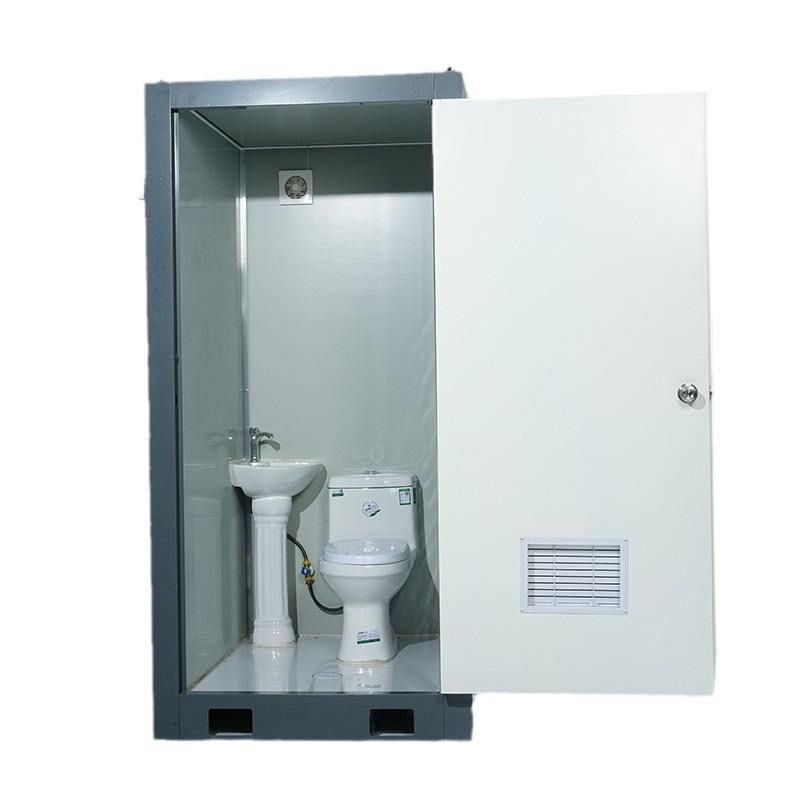
I. Renovation Feasibility
The core of renovating container houses lies in transforming the originally steel container bodies used for cargo transportation into building units with residential functions and reusable disassembly through structural mechanics optimization, material thermal improvement, and assembly process upgrading. For example, by adding C-shaped steel purlins between the bottom beams to disperse the load, the problem of insufficient stiffness of traditional container floors can be solved; adopting a broken-bridge lining structure filled with rigid polyurethane foam can reduce the cold-bridge and heat-bridge effects of the metal container walls and improve thermal insulation performance. These technical means enable container houses to meet residential standards in terms of structural stability, thermal performance, and durability.
II. Application Scenarios and Advantages
- Temporary Scenarios: Container houses are widely used in engineering camps, emergency support, event support, and other fields due to their modular design, rapid installation, and relocatability. For example, the packing-box units of Suzhou Zhongnan Steel Structure Co., Ltd. can be installed in just 2 hours per unit, support on-demand splicing and combination, and can complete the delivery of 1,000 accommodation modules within 3 months, shortening the traditional construction period by 40%.
- Long-term Scenarios: By optimizing materials and processes, container houses can also meet long-term residential needs. For example, Baotou Xinxing Color Plate Steel Structure Manufacturing Co., Ltd. uses a shot blasting derusting, zinc-rich primer, and polyurethane topcoat protection system to maintain the effective service life of steel for more than 15 years in the northwest sandstorm and temperature difference environment; integrating a self-circulating sewage system to achieve water resource reuse and reduce environmental impact.
III. Economic and Environmental Benefits
Container houses have significant economic advantages throughout their entire life cycle. Taking a 20-foot container as an example, its steel consumption is about 1.2 tons, and its carbon emissions are only 43% of those of a concrete temporary house of the same area; the disassembly and assembly loss rate is controlled within 5%, and it can be hoisted as a whole to a new site for reuse, reducing construction waste generation. In addition, the modular construction method shortens the construction period by more than 50%, reducing labor and time costs.



