
Back to blog
Article
Capsule Container Mobile House
Admin September 15, 2026
The capsule container mobile house is a movable independent living or office unit transformed from a container as its carrier, featuring modularity, flexible deployment, and high cost-effectiveness. The following is an introduction from three aspects: structural types, application scenarios, advantages, and limitations.
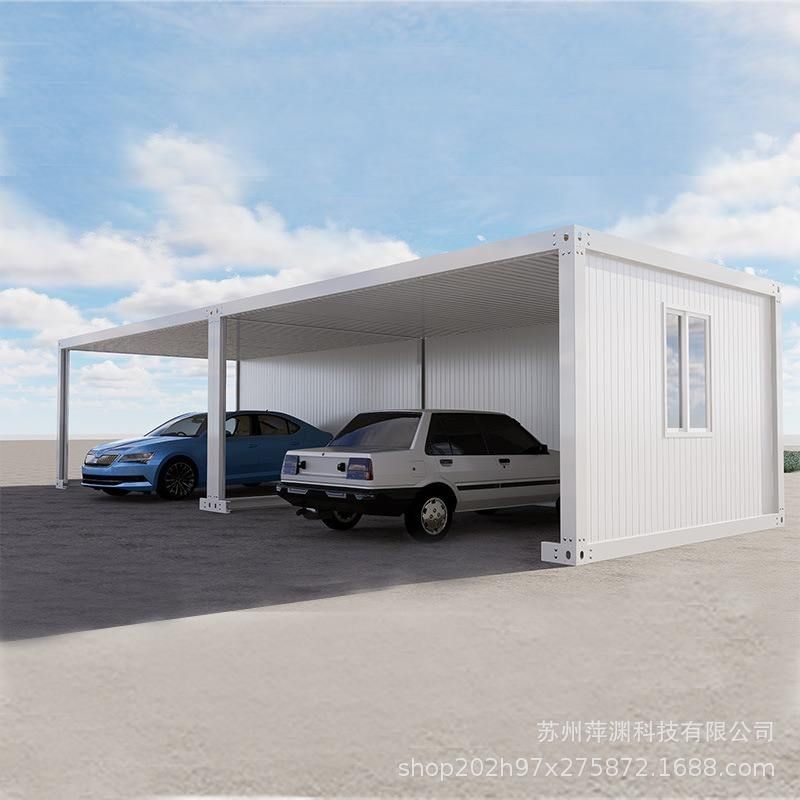
Structural Types and Transformation Methods
The core carrier of the capsule container mobile house is a standard container (commonly available in 20-foot and 40-foot sizes), with functional expansion achieved through modular transformation. Transformation methods include:
- Space Expansion: Additional side or end expansion modules are added to the container, increasing the usable area by 30%-50% upon deployment to meet long-term on-site office or living needs. Some designs incorporate sliding modules and folding platforms, doubling the area upon deployment and dividing the interior into functional zones such as bedrooms, living rooms, and bathrooms.
- Structural Optimization: Light steel keels combined with color-coated steel sheets are used for assembly, or integrated folding structures are employed to compress the volume during transportation and enable rapid deployment upon arrival (with a single unit deployment time controllable within 30 minutes), adapting to frequent relocation needs.
- Smart Integration: Some high-end models are equipped with high-conversion-rate energy systems (such as solar power) and smart control systems (allowing remote control of home devices via touchscreens or mobile phones). Some even incorporate panoramic floor-to-ceiling windows and starry sky viewing designs to enhance living comfort.
Application Scenarios
- Temporary Offices and Project Departments: Container-based office buildings are structurally robust and easy to transport, commonly used in construction site command centers and temporary command posts for exploration teams.
- Cultural Tourism and Homestays: Capsule houses and space capsules are widely used in scenic area homestays and campsites, providing movable and unique accommodation experiences.
- Emergency and Disaster Relief: Foldable and assembled houses can be rapidly deployed as temporary medical stations and shelters.
- Personal Living Exploration: Some youth teams are attempting to transform containers into smart villas, exploring alternative living solutions amidst high housing prices.
Advantages and Limitations
- Advantages:
- Modularity and Flexibility: Supports single-unit use or multi-unit assembly, allowing flexible expansion of functional zones according to needs.
- Rapid Deployment: Prefabricated production shortens the construction cycle, and foldable designs reduce transportation costs.
- High Cost-Effectiveness: Compared to traditional buildings, costs are lower, and reusability reduces resource waste.
- Limitations:
- Poor Fire Resistance: The container's core material is flammable, and narrow passageways pose a high fire risk.
- Controversy Over Living Practicality: Some transformation projects suffer from rough construction, ventilation, and waterproofing issues, limiting long-term living comfort.
- Regulatory Restrictions: Compliance with local building codes is required, and some regions have strict requirements on the use and land nature of mobile houses.


