Back to blog
Article
Capacity of Mobile Environmental Toilets
Admin October 02, 2026
The capacity of mobile environmental toilets varies significantly depending on their type and design, and can be categorized as follows:
1. By functional type
- Mobile environmental public toilets: Typically refer to basic single-unit toilets with a single flush volume of approximately 0.46 liters, designed for water conservation. However, it should be noted that this figure may only refer to the single-flush capacity, not the overall sewage or water storage capacity.
- Baby-specific mobile toilets: Have a capacity of approximately 200 - 300 liters, designed primarily for baby care needs. They have a smaller space but are equipped with specialized facilities, with a capacity focused on meeting short-term usage requirements.
- Disabled-specific mobile toilets: Have a capacity of approximately 500 - 600 liters, requiring accommodation for barrier-free facilities and larger space, thus having an overall capacity similar to that of large toilets.
2. By scale type
- Small mobile toilets: Have a capacity of approximately 300 - 400 liters, suitable for scenarios with low foot traffic, such as temporary events or remote areas.
- Medium mobile toilets: Have a capacity of approximately 400 - 500 liters, commonly found in scenic spots or construction sites, capable of meeting the usage needs of medium-sized crowds.
- Large mobile toilets: Have a capacity of approximately 500 - 600 liters, suitable for high-foot-traffic areas such as large exhibitions or music festivals, with some models capable of even higher capacities.
3. By structural type
- Small single-unit toilets: Have a sewage tank capacity of approximately 200 - 300 liters, with a compact structure for quick deployment.
- Medium trailer-mounted toilets: Have a capacity of approximately 400 - 600 liters, transported by trailers, suitable for medium- to long-distance mobility needs.
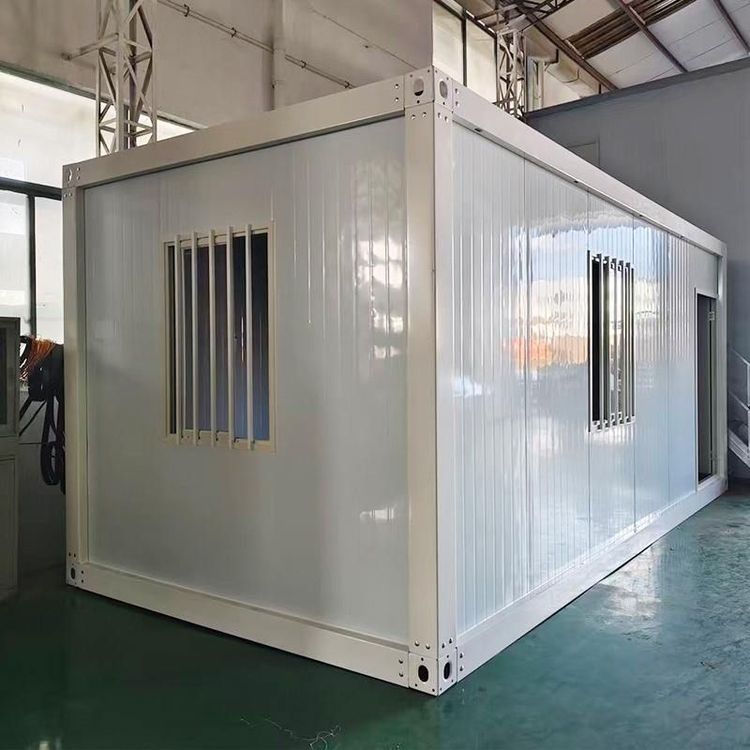
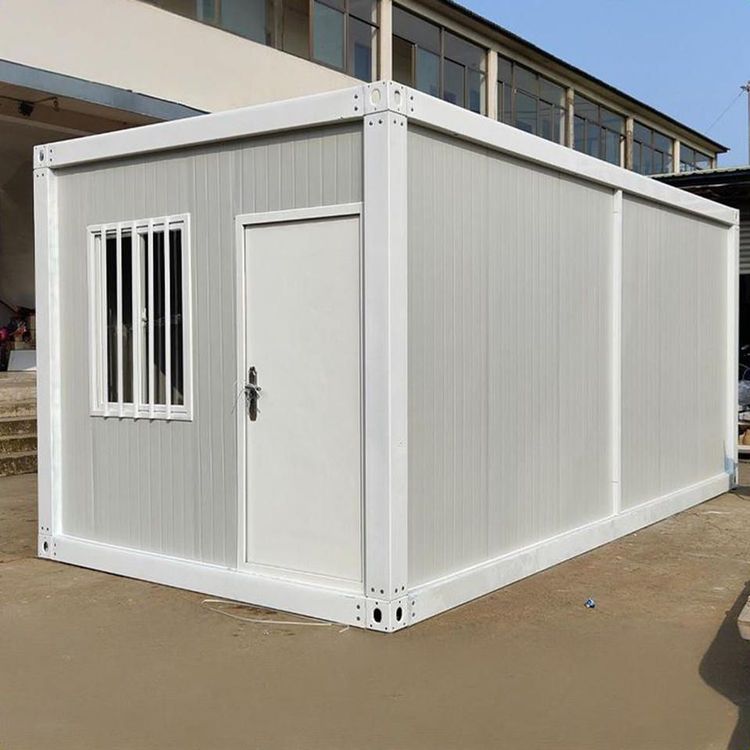
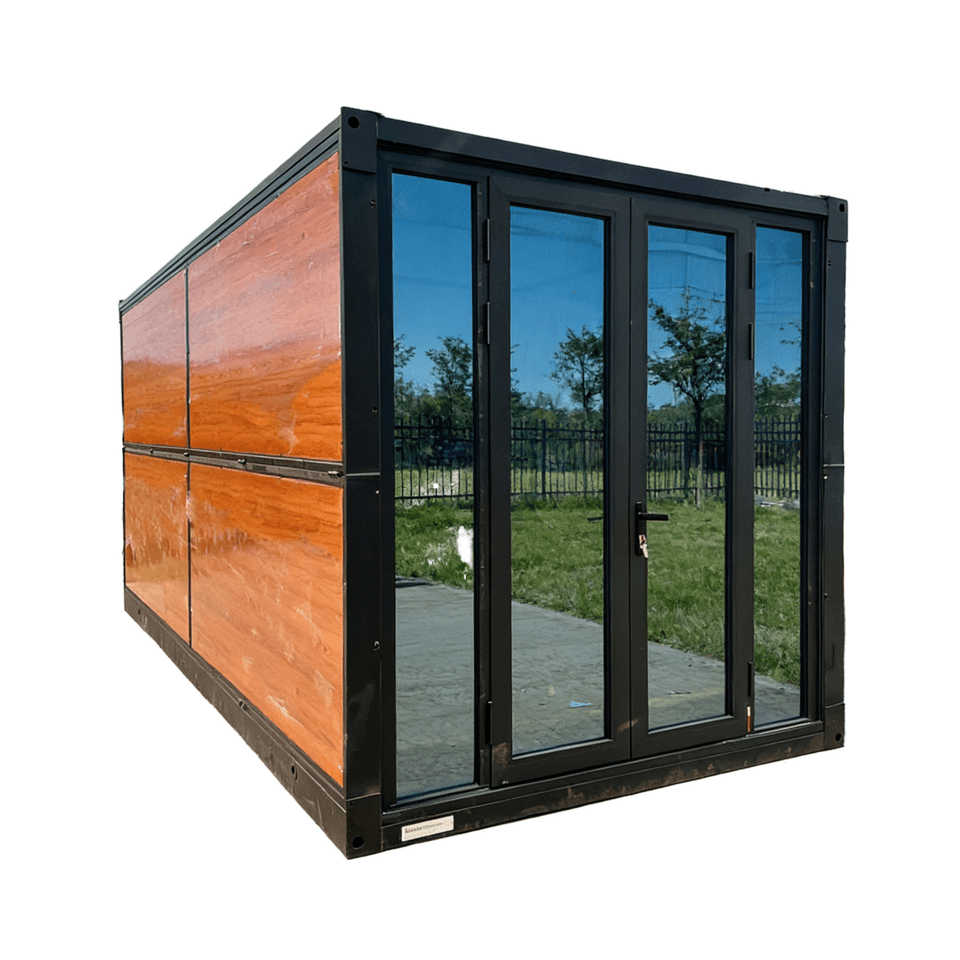
- Large container toilets: Can have a capacity of up to 800 - 1000 liters, adopting a container structure that can integrate more functional modules, such as multiple toilet stalls and management rooms.
4. By water tank type
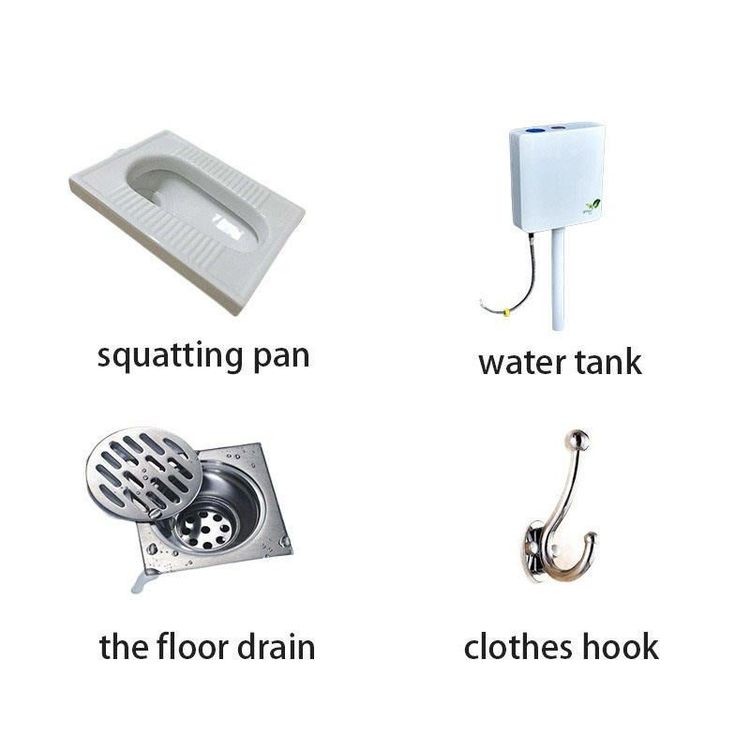
- Separate design for fresh water and wastewater tanks: For example, a certain model of mobile toilet has a fresh water tank volume of 45 liters and a wastewater tank volume of 350 liters. This design extends usage time by recycling water resources, with the wastewater tank capacity typically much larger than the fresh water tank to adapt to environments without sewer systems.
Summary: The choice of capacity for mobile environmental toilets requires comprehensive consideration of factors such as usage scenario, foot traffic, and functional requirements. Small toilets are suitable for temporary or low-frequency use, while large toilets are suitable for long-term or high-density scenarios. The separate design of water tanks enhances resource utilization, while container-type toilets expand capacity limits through modularization.