
Cangzhou Container House
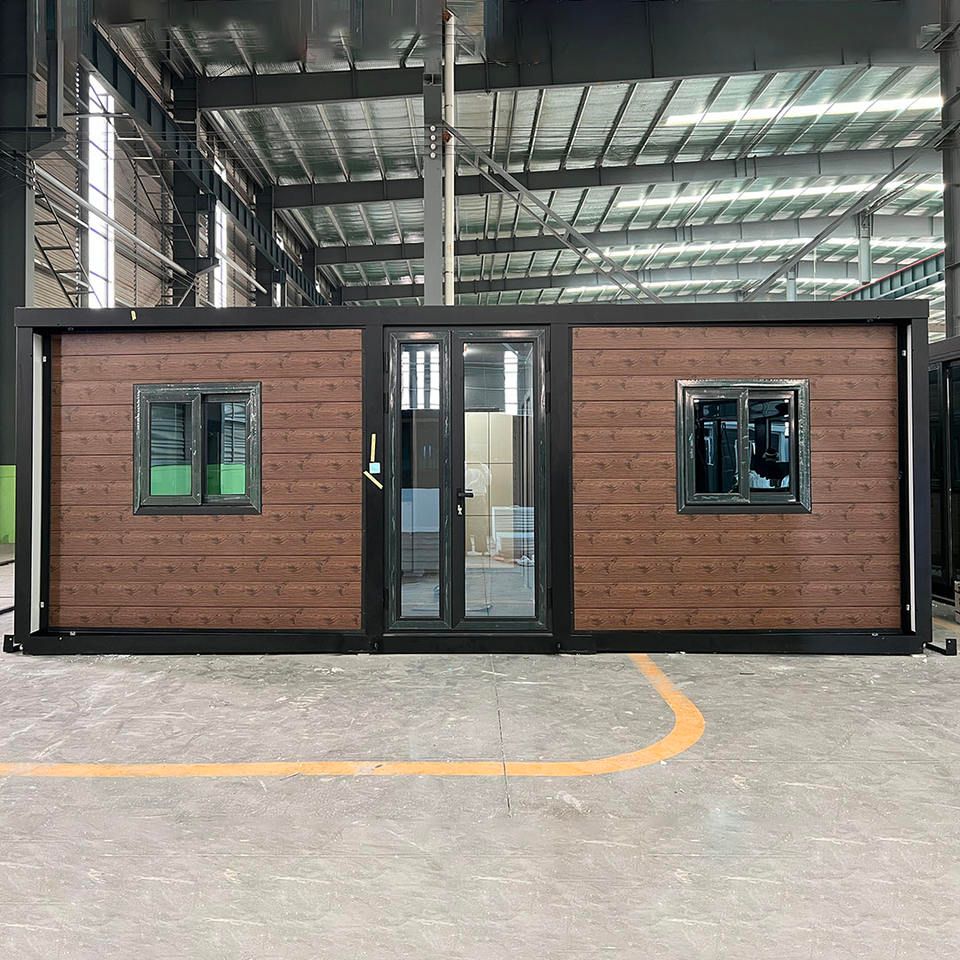
Cangzhou container houses, centered around modularity and customization, are widely applied in infrastructure, energy, commercial, and temporary settlement scenarios. Representative companies include Hebei Xinheng Integrated Housing Co., Ltd. and Cangzhou Feiyi Container Co., Ltd. The following is an analysis from the perspectives of application scenarios, technical features, representative companies, and selection considerations:
I. Typical Application Scenarios
The modular design of Cangzhou container houses makes them suitable for a variety of fields:
- Infrastructure and Energy Sectors: In overseas oil camps and large-scale EPC projects, foldable packing boxes can quickly set up office and dormitory areas, featuring wind and sand resistance and high-temperature tolerance. Energy storage prefabricated cabins and power containers are used in new energy power stations, equipped with temperature control and ventilation systems to meet equipment operation requirements.
- Emergency and Temporary Settlement: In sudden scenarios such as earthquakes and epidemics, container houses serve as temporary medical points and isolation rooms, with significant fire and moisture resistance and rapid deployment capabilities. For example, Hebei Xinheng's products can be used in environments ranging from -30°C to 50°C through optimized insulation design.
- Commercial and Cultural Tourism Spaces: In creative container shops and mobile homestays, companies achieve flexible space combinations through customized designs. For instance, Cangzhou Feiyi provides decorated commercial exhibition boxes with doors and windows that can be directly put into use.
II. Technical Features and Innovations
Cangzhou companies focus on structural optimization and functional integration:
- Materials and Structure: High-strength steel is used, combined with foldable designs to reduce transportation volume (e.g., Z-shaped foldable packing boxes reduce transportation volume by 60%), with on-site deployment efficiency increased by over 50%.
- Environmental Adaptability: Through waterproof devices and double-layer insulation technologies, they adapt to extreme environments such as deserts, cold regions, and coastal areas. For example, Hebei Xinheng's products have passed ultra-wide temperature range endurance tests from -25°C to 45°C.
- Smart Integration: Some companies (e.g., Cangzhou Beishi) embed smart monitoring and photovoltaic systems in containers, achieving energy self-sufficiency and remote management.
III. Representative Companies and Products
- Hebei Xinheng Integrated Housing Co., Ltd.: Specializes in foldable boxes and double-wing expandable houses, with products exported to Europe, the Americas, and the Middle East. Certified by CE and ASTM, they are applied in overseas infrastructure camps and emergency rescue.
- Cangzhou Feiyi Container Co., Ltd.: Focuses on customized special containers, with products covering energy storage prefabricated cabins and sewage treatment containers, with rich case studies in North and East China.
- Cangzhou Xinhe Container Manufacturing Co., Ltd.: Provides standard containers, photovoltaic boxes, and mobile homes, collaborating with state-owned enterprises such as China Railway and Huabei Petroleum, with outstanding customization capabilities.
IV. Selection Considerations
- Environmental Adaptability: Choose products with insulation and wind and sand resistance performance that meet requirements based on the usage scenario (e.g., cold regions or deserts).
- Compliance: Confirm whether the products have passed international certifications (e.g., CE, ASTM) or domestic fire and structural safety regulations.
- Customization Needs: Clarify the feasibility of customizing dimensions, materials, and functional modules (e.g., smart systems and door and window types).
- Cost and Efficiency: Compare transportation costs (foldable designs can reduce expenses) and on-site installation periods, prioritizing full-chain service providers.



