Can the Toilet Position Be Moved?
The toilet position can be moved, but it needs to be discussed on a case-by-case basis according to the type of toilet and the scenario, and it must meet legal and technical requirements.

1. Relocation of Portable Toilets
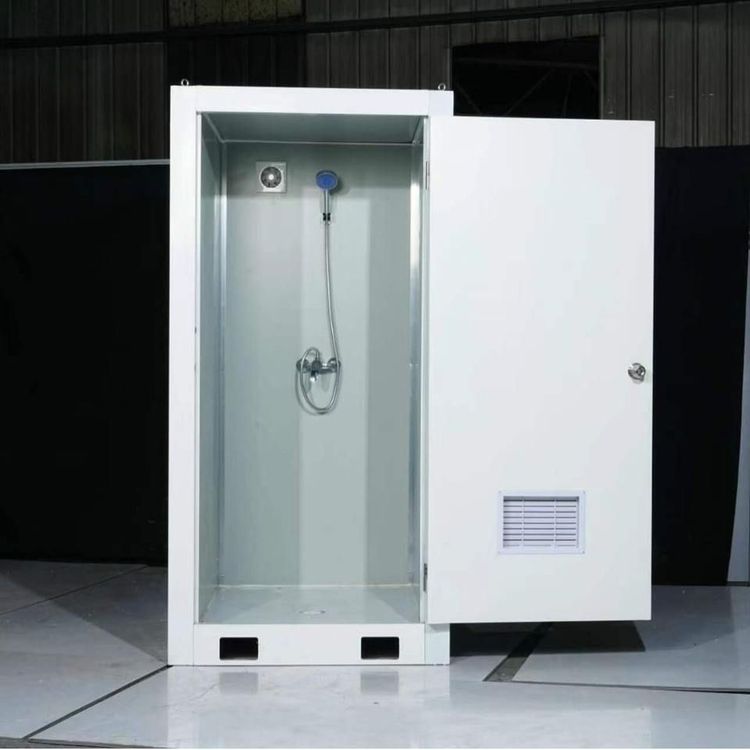
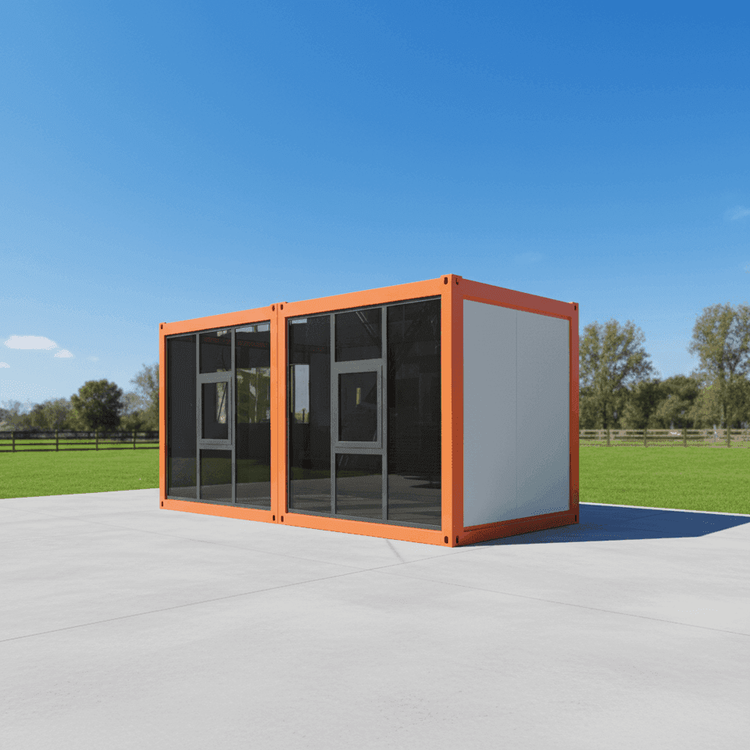
Portable toilets are facilities designed specifically for temporary or flexible use, commonly found in places such as stations, docks, tourist attractions, and construction sites. Their core feature is overall portability. They are usually made of lightweight materials (such as plastic and fiberglass-reinforced plastic) and are equipped with a fecal storage tank at the bottom or connected to external sewage pipes. During relocation, there is no need to damage the building structure. They can simply be transported as a whole to a new location using lifting equipment (such as forklifts and cranes). The movement of such toilets is less restricted by site conditions, but it is necessary to ensure that the new location meets sanitation, drainage, and safety requirements (such as being far from water sources and avoiding overly steep ramps).
2. Relocation of Household Toilet Bowls
The relocation of household toilet bowls must meet both legal and technical feasibility requirements; otherwise, it may lead to legal disputes or usage problems.
2.1 Legal Requirements
According to the Civil Code and the Measures for the Administration of Interior Decoration and Renovation of Residential Buildings, the relocation of toilet bowls must not damage the load-bearing structures of the building (such as shear walls and beams and columns), affect the safety of adjacent houses (such as water leakage caused by damage to the waterproof layer), or violate public safety regulations (such as blocking public drainage pipes). If actions such as making holes in load-bearing walls or changing the main structure of the house are involved, it is necessary to apply for approval from the property management or relevant departments; otherwise, it may be regarded as illegal decoration.
2.2 Technical Feasibility and Methods
- Toilet bowl relocator: Suitable for short-distance (10-30 cm) relocation, it achieves position adjustment by extending the drainage pipe. However, attention must be paid to the slope of the pipe (usually ≥2%); otherwise, it may lead to poor drainage or blockage.
- Raising the floor: For long-distance relocation, the drainage pipe can be relaid by raising the bathroom floor (about 10-15 cm) to ensure that the slope meets the requirements. This method requires handling the waterproof layer to avoid leakage.
- Wall-mounted toilet: By changing the drainage outlet to the wall, the length of the floor pipe is reduced, which is suitable for scenarios with limited space or requiring a large relocation. However, it is necessary to plan the layout of the in-wall drainage pipes in advance.
- Making a new hole: If cross-floor or long-distance relocation is required, it may be necessary to make a hole in the floor slab to lay new pipes. This method involves complex construction, requires professional operation, and may damage the floor slab structure, so the safety must be strictly evaluated.
2.3 Operation Suggestions
Before relocation, it is necessary to confirm the drainage method of the house (same-floor drainage or cross-floor drainage), the relocation distance, and the construction conditions. It is strongly recommended to consult professional plumbers or decoration companies to avoid problems such as blockage, odor, or leakage caused by insufficient pipe slope, poor sealing, or improper waterproofing. If the renovation of public drainage pipes is involved, it is also necessary to negotiate with the property management and go through relevant procedures.