
Can the Toilet Cabinet Be Moved in Winter?
Whether a toilet cabinet can be moved depends on the specific scenario. Fixed cabinets in households cannot be moved, while those in construction sites or eco-friendly mobile toilets are usually movable. Here is a detailed analysis:
Household Scenario: Fixed Bathroom Cabinets Cannot Be Moved
Most bathroom cabinets in households are fixed decorative structures, typically secured to walls and floors with screws or glue, forming an integral part of the overall decoration. For example, when moving the sink to a hallway or dry area outside the bathroom, the cabinet is tightly integrated with plumbing, electrical wiring, and tiles. Moving it would require damaging the original decoration, which is costly and impractical. However, if a modular movable sink (such as an independent movable sink and cabinet combination) is used, its cabinet may be movable, but such designs are rare in households and are more commonly used in temporary or special-need scenarios.
Construction Site/Temporary Venue Scenario: Cabinets Are Movable but Require Freeze Protection
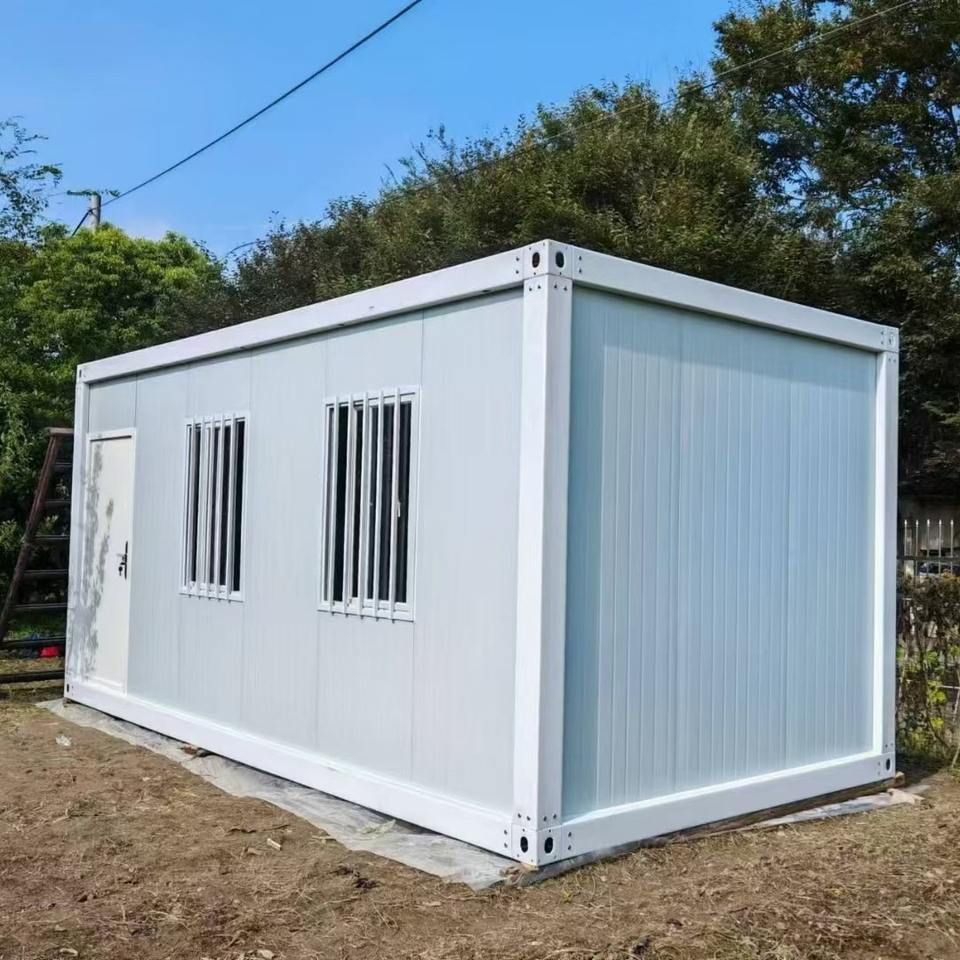
The cabinets in mobile toilets at construction sites (such as those containing squat toilets and flushing systems) are usually movable structures. Their standard single-cabin size is 1.2m×1.5m×2.2m, with wheels installed at the bottom for easy transportation and redeployment. In winter, electric tracing devices are needed to heat water tanks and pipes, or the water tanks should be emptied to prevent freezing and cracking, but the mobility of the cabinets themselves is not affected. Such designs are intended to meet the needs of temporary and high-frequency use, such as at construction sites and outdoor events.
Eco-Friendly Mobile Toilet Scenario: Entire Unit Is Movable and Requires Ventilation
The main frame of eco-friendly mobile toilets is made of steel, with exterior walls made of color-coated steel plates, making the entire unit movable. Their original design purpose is to facilitate rapid deployment and relocation, such as in scenic spots and disaster areas. In winter, ventilation should be maintained through front-door louvers and rear-wall exhaust fans to prevent odor accumulation, but the position of the cabinets can be adjusted as needed. The mobility of such toilets is their core advantage, but regular maintenance of structural stability is required to prevent material embrittlement due to low temperatures.
Summary: Fixed bathroom cabinets in households cannot be moved due to integrated decoration design; cabinets in construction sites or eco-friendly mobile toilets are usually movable due to temporary use needs, but freeze protection and ventilation measures should be strengthened in winter. The choice should be made based on the actual scenario and functional requirements.



