
Can Tea Be Stored in Container Houses?
Tea can be stored in container houses, but specific conditions must be met and comprehensive management must be carried out to ensure that the quality of the tea is not affected. The following key points need to be noted:
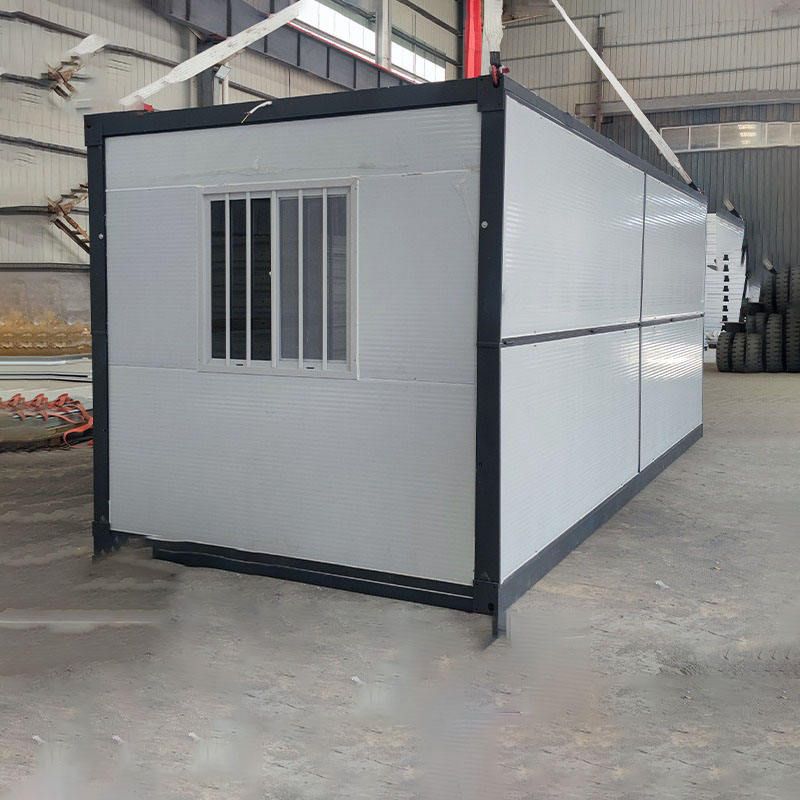
Tea Sealing and Moisture Prevention Are Fundamental
Tea has strong hygroscopicity and easily absorbs moisture from the environment, leading to mildew or quality deterioration. When storing, tea should be sealed in thick plastic bags (such as aluminum-foil composite bags) or dedicated sealed cans to form a physical barrier against moisture. If using plastic bags, the air inside the bags should be completely expelled before sealing. If using canned storage, metal or ceramic cans with good sealing properties should be selected, and sealing rings should be placed at the can mouth. In addition, moisture absorbers (such as silica gel desiccants) can be placed inside the container at a dosage of 50 - 100 grams per cubic meter, evenly distributed, and regularly checked and replaced to ensure that the relative humidity inside the container is controlled below 50%.
Temperature Control Is Crucial
The chemical components in tea (such as tea polyphenols and amino acids) are prone to oxidation and decomposition at high temperatures, resulting in the loss of aroma and a bland taste. The ideal storage temperature is minus 18°C or below, under which microbial activity and enzymatic reactions can be maximally inhibited. If the container cannot naturally maintain a low temperature, refrigeration equipment (such as industrial air coolers or mobile cold storages) should be equipped, and temperature sensors should be installed for real-time monitoring to ensure that the temperature fluctuation does not exceed ±2°C. For short-term storage or non-precious teas, the temperature can be relaxed to 0 - 5°C, but the storage period should be shortened and ventilation should be strengthened.
Environmental Signage and Operational Specifications Cannot Be Ignored
Warning signs such as "Fragile Items", "Handle with Care", and "Moisture and Pressure Prevention" should be posted inside the container to remind handlers to avoid violent vibrations or stacking to prevent damage to the tea packaging. At the same time, a dedicated storage area should be planned to avoid mixing with chemicals and odor-emitting items to prevent the tea from absorbing odors. Regularly check the sealing of the container, focusing on areas such as door seams and ventilation openings to prevent the infiltration of rainwater or moisture.
Other Supplementary Measures
If storing fresh and mellow teas such as green tea and yellow tea, vacuum packaging or nitrogen-filled packaging can be additionally used to further isolate oxygen. For post-fermented teas such as dark tea and Pu'er tea, the humidity should be controlled at 60% - 70% to promote slow transformation, but high-temperature and high-humidity environments should be strictly avoided. In addition, dehumidifiers or air conditioners can be installed inside the container to automatically adjust the temperature and humidity through an intelligent control system, reducing labor management costs.



