Back to blog
Article
Mobile Toilets That Can Still Be Moved
Admin September 21, 2026
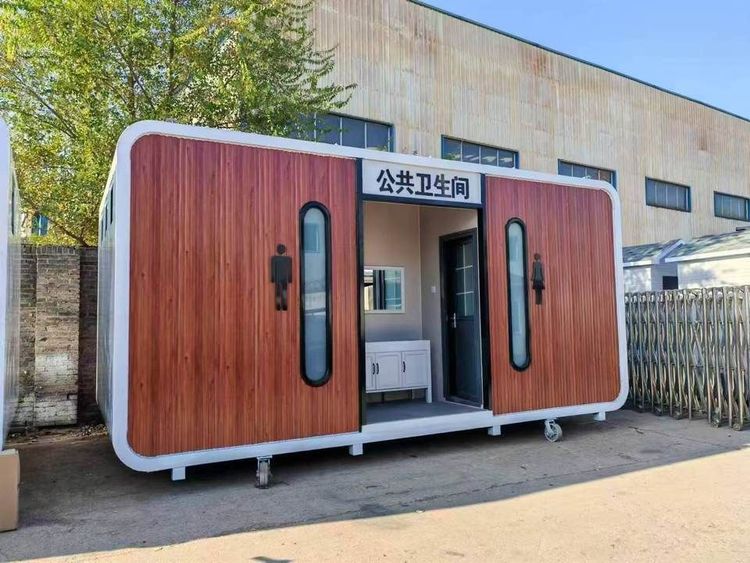
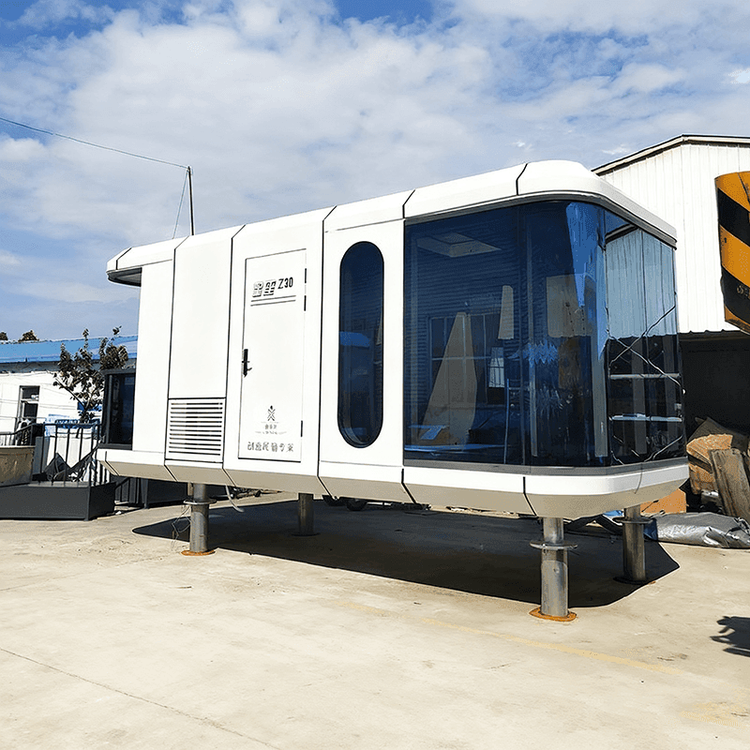
Mobile toilets are facilities that can be moved as a whole and provide toilet services to the public. They can be flexibly arranged in fixed or temporary locations according to needs.

I. Diverse Types
Mobile toilets can be divided into two categories based on their mobility methods:
- Hoisting and Handling Type: For example, the overall hoisting mobile toilet is processed and assembled in a standardized manner in the factory, without damaging the on-site environment, and can be used immediately upon placement. It offers both squat and sit toilet options inside. The floor is made of stainless steel and is equipped with a vacuum flushing system, with a single flush volume of only about 1 liter, demonstrating significant water-saving effects.
- Powered and Trailer Type: Taking the Yuanting Smart Environmental Protection Public Toilet Station as an example, it is an environmentally friendly true-foaming mobile toilet. Its design includes solid tires with strong puncture resistance, suitable for complex terrains; a three-step structure enhances usability; and it uses a microbial environmental protection vacuum foaming squat toilet, which reduces sewage production through biodegradation technology, highlighting its excellent environmental performance.
II. Structural Composition
Mobile toilets are typically composed of six core modules:
- Fecal Treatment System: Includes sewage storage tanks or disposal devices responsible for collecting and preliminary treatment of excreta;
- Basic Structure: The floor is made of anti-slip and easy-to-clean materials to ensure safety during use;
- Sanitary Facilities: Includes squat toilets, sit toilets, sinks, and other sanitary ware. Some high-end models are equipped with intelligent devices such as automatic sensor flushing and hand dryers;
- Walls and Roof: Made of lightweight and high-strength materials (such as aluminum alloy and fiberglass), balancing durability and portability;
- Water Supply System: The water tank capacity is designed according to the usage scenario, and it can be connected to an external water source or recycle treated gray water;
- Mobility Device: Integrated with hoisting interfaces, trailer hooks, or power systems to support rapid transportation and deployment.
III. Core Advantages
- Flexibility: Can be quickly transported to temporary locations such as exhibitions, construction sites, and disaster areas to meet urgent needs;
- Reusability: Modular design supports disassembly and reassembly, reducing long-term usage costs;
- Environmental Friendliness: Reduces water consumption and pollution emissions through technologies such as vacuum flushing and microbial degradation;
- Adaptability: Configurations can be adjusted according to the environment (such as adding oxygen supply equipment in high-altitude areas and installing insulation layers in cold regions).
The popularization of mobile toilets has effectively solved problems such as rigid layout and long construction periods of traditional public toilets, becoming an important tool for modern urban management and emergency support.
Related