
Can Pregnant Women Use Portable Toilets?
Pregnant women can use portable toilets, and household portable commodes are particularly practical for mothers in the late stages of pregnancy. The following explains their applicability, advantages, and key points for selection from three aspects:
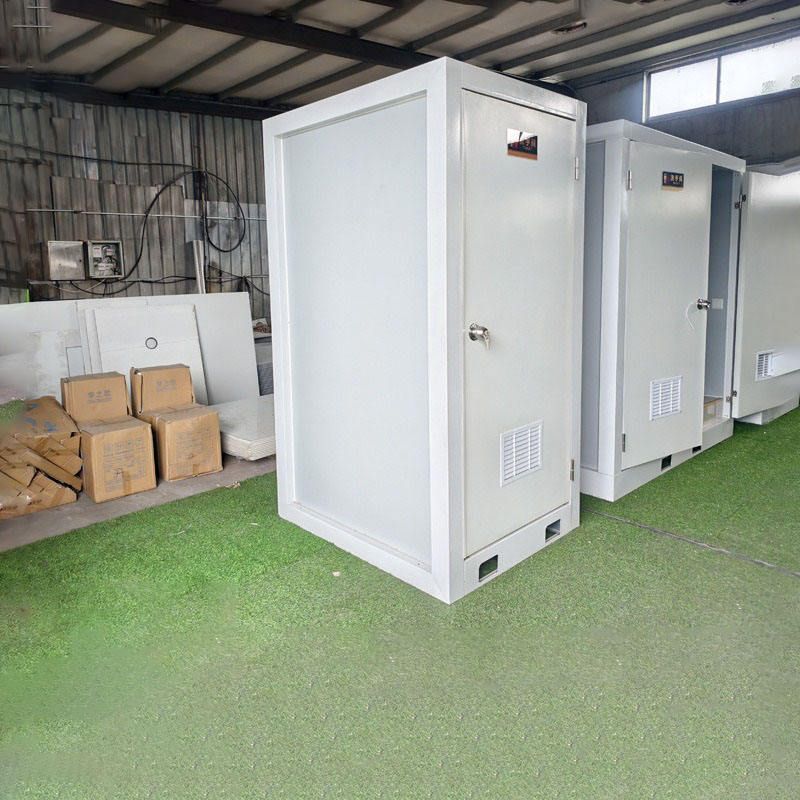
I. Applicability
In the late stages of pregnancy, due to the enlargement of the fetus, the uterus pressing on the bladder, and the relaxation of pelvic ligaments, pregnant women often experience symptoms such as frequent urination, urgent urination, and difficulty in defecation. Frequent nighttime trips to the bathroom increase the risk of falls. Portable commodes can effectively reduce this risk by shortening the distance of movement. Their design conforms to the physiological characteristics of pregnant women and is especially suitable for those with mobility issues or those who need to stay in bed for fetal protection.
II. Core Advantages
- Reduced Physical Burden: The elevated design (usually around 45cm) allows pregnant women to avoid squatting deeply, preventing abdominal pressure and reducing the risk of fetal hypoxia. Sitting to defecate is more in line with human mechanics, reducing pressure on the lumbosacral region.
- Enhanced Safety: There is no need to grope in the dark to the bathroom at night, avoiding falls caused by poor visibility or slippery floors, which is especially important for pregnant women with complications such as gestational hypertension or hypoglycemia.
- Improved Sleep Quality: Reducing physical exertion during nighttime trips to the bathroom alleviates pregnancy fatigue and indirectly improves sleep continuity.
- Spatial Flexibility: They can be placed nearby in bedrooms or living rooms, preventing pregnant women from maintaining standing or walking postures for extended periods and reducing the risk of lower extremity varicose veins.
III. Key Points for Selection
- Height Adaptation: Prioritize elevated models with a sitting height of around 45cm to ensure that the knee bending angle of pregnant women is less than 90 degrees, reducing leg pressure.
- Safe Materials: Recommend PP materials or thickened plastics that have passed food-grade safety certifications, with smooth surfaces that are easy to clean to prevent bacterial growth.
- Stable Structure: Check the load-bearing capacity (recommended ≥150kg), anti-slip bottom design, and four-corner support structure to prevent tipping over.
- Additional Features: Consider models with armrests and backrests to further reduce waist strain; some products come with soft cushions for added comfort.
Precautions: Ensure the ground is level before use to avoid tipping during movement; regularly clean and disinfect to prevent cross-infection; if severe symptoms such as constipation occur, seek medical attention promptly instead of relying solely on the device.



