
Can Portable Toilets Be Placed Indoors?
Portable toilets can be placed indoors. The suitability of portable toilets for indoor use is primarily reflected in the match between their design features and usage scenarios, which can be analyzed from the following aspects:
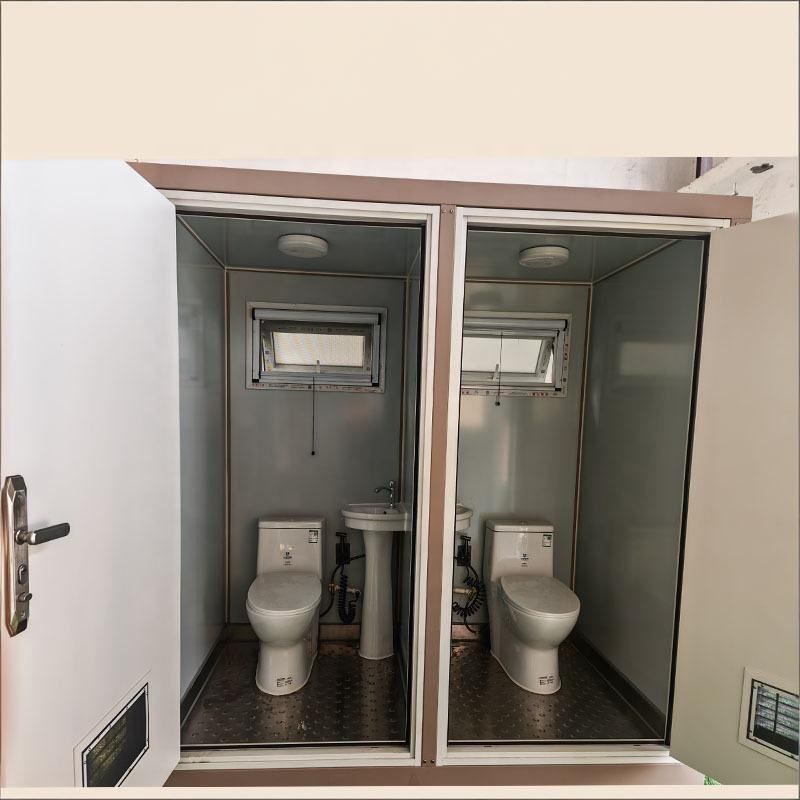
Structural Features Support Indoor Placement
Indoor portable toilets are typically constructed using lightweight materials (such as high-strength plastics and aluminum alloy frames), resulting in a relatively light overall weight and compact structure. This design allows them to be moved quickly to designated indoor locations without relying on fixed foundations or complex plumbing connections, either through manual handling or with the aid of small equipment. For example, during temporary promotional events in shopping malls, indoor exhibitions, or home renovations, portable toilets can be directly placed in idle corners or alongside corridors to meet short-term or temporary sanitation needs. Their modular design also allows for adjustments in combination methods based on the available space, further adapting to different indoor environments.
Practicality in Specific Scenarios
- Temporary Event Scenarios: When hosting large-scale indoor events (such as concerts, sports events, or corporate annual meetings), traditional restrooms may experience long queues due to high foot traffic. Portable toilets can serve as supplementary facilities, dispersed in the backstage areas, rest zones, or at the ends of corridors of the venue to alleviate restroom pressure. Their standalone design avoids the need for modifications to the existing building's drainage system and allows for quick removal after the event, reducing space occupation.
- Special Household Needs: For elderly individuals with mobility issues, pregnant women in their late stages of pregnancy, or post-operative rehabilitation patients, portable toilets can be placed beside the bedroom or bed to shorten the path to the restroom and reduce the risk of nighttime falls. Some high-end models are equipped with handrails, non-slip floors, and emergency call devices, further enhancing safety. Additionally, during the renovation of old residential areas or bathrooms, portable toilets can serve as temporary alternatives to avoid inconveniences caused by construction.
Considerations for Household Use
Although portable toilets are suitable for indoor use, the following factors should be considered comprehensively:
- Cost Investment: The prices of portable toilets vary significantly depending on the materials and functions. For long-term household use, it is necessary to evaluate whether the purchase or rental costs are reasonable.
- Space Conditions: The placement area should be kept flat and dry to prevent equipment tilting or sewage leakage due to uneven ground. Additionally, ventilation space should be reserved to prevent the accumulation of odors.
- Maintenance and Management: Regular cleaning of the fecal tank, replacement of consumables (such as deodorizers and disinfectants), and inspection of equipment sealing are required to ensure hygiene standards are met. For long-term use, equipment depreciation and repair costs should also be considered.



