Can Parks Have Mobile Toilets?
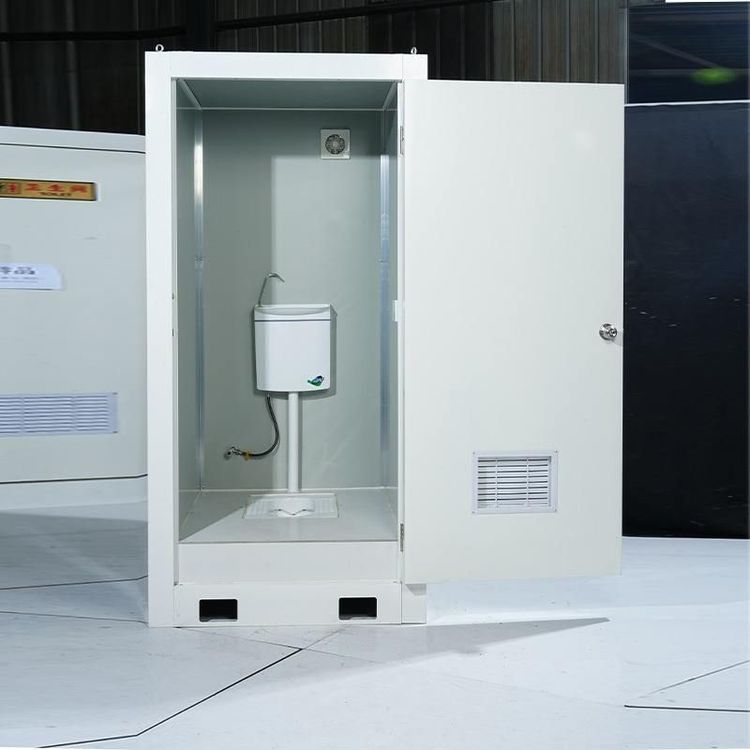
Parks can be equipped with mobile toilets. As a flexible and convenient public sanitation facility, mobile toilets are highly compatible with the dynamic needs of parks, as demonstrated in the following aspects:

1. Flexible Deployment and Relocation Capability
The core advantage of mobile toilets lies in their overall mobility. Through modular design, toilet units can be quickly disassembled, transported, and reassembled without relying on fixed foundation construction like traditional public toilets. This feature enables park managers to adjust toilet locations based on actual needs: for example, concentrating toilets in high-traffic areas during large events or relocating them to temporary storage sites during off-seasons or landscape renovations to avoid resource idleness. Some high-end mobile toilets are also equipped with wheeled chassis or towing devices, further shortening deployment cycles, typically allowing position changes within a few hours.
2. Adaptability to Diverse Scenarios
As open public spaces, parks have differentiated requirements for toilet distribution density and design styles across functional zones (such as children's play areas, fitness zones, and wetland viewing areas). Mobile toilets can meet these needs through customized designs:
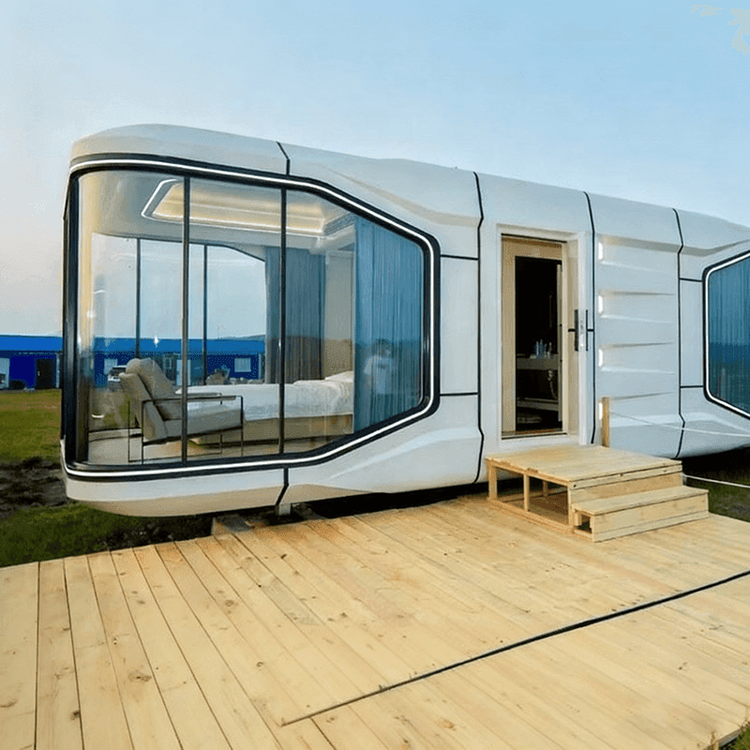
- Design Compatibility: Exteriors can adopt wood-grain, stone-texture finishes, or colors that blend with the surrounding landscape to minimize visual impact on the natural environment;
- Dynamic Capacity Adjustment: Based on visitor flow forecasts, different specifications such as single-stall, multi-stall, or barrier-free dedicated models can be selected, with temporary units added during peak periods to expand capacity.
For example, during short-term visitor surges like cherry blossom seasons, parks can temporarily add clusters of mobile toilets to alleviate queuing pressures at traditional public toilets.
3. Resource Optimization and Environmental Benefits
Traditional public toilet construction requires land occupation and may leave construction waste after demolition. Mobile toilets, through their "use-as-needed, remove-when-done" model, minimize long-term interference with park ecosystems. Additionally, some mobile toilets employ water-saving flushing systems or microbial degradation technology, reducing daily water consumption by over 60% compared to traditional toilets, aligning with sustainable management principles.
4. Emergency Support Function
During natural disasters (such as traditional public toilets being flooded by heavy rain) or public health emergencies, mobile toilets can be rapidly deployed as emergency facilities to ensure uninterrupted basic sanitation services. Their independent sewage disposal designs (such as fecal storage tanks or connections to municipal sewer networks) also prevent cross-contamination risks.
Conclusion: With their flexibility, adaptability, and environmental friendliness, mobile toilets have become indispensable supporting facilities in modern park planning. Through scientific layout and dynamic management, they can enhance visitor experiences while achieving efficient utilization of public resources.