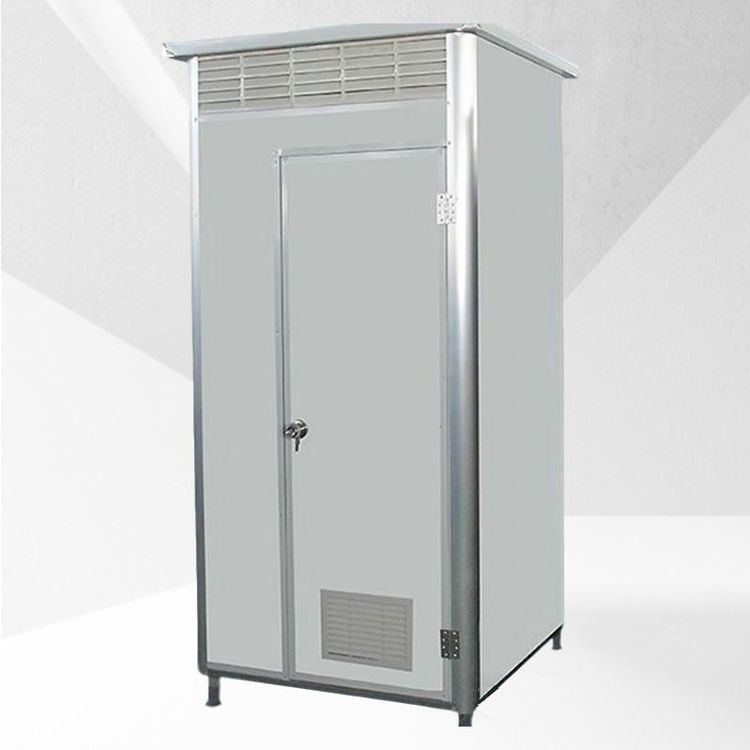
Can Mobile Toilets Be Profitable?
Mobile toilets can be profitable, with diverse and feasible business models.

1. Rental Income as the Core Source
The flexibility and convenience of mobile toilets make them essential facilities in areas with high foot traffic. For example, commercial districts, parks and scenic spots, and large-scale events (such as music festivals and sports events) often require temporary additions of mobile toilets due to insufficient or unevenly distributed fixed toilets. Rental fees are usually determined based on usage duration (e.g., daily or monthly rent), quantity, and additional services (such as cleaning frequency and consumable replenishment). For instance, at a music festival with tens of thousands of attendees, renting dozens of mobile toilets for a single day can generate tens of thousands of yuan in revenue. Long-term collaborations with large scenic spots or commercial complexes can provide a stable stream of rental income.
2. Advertising Partnerships to Expand Revenue Space
The exterior (such as walls and roofs) and interior spaces (such as doors and compartments) of mobile toilets can be developed into advertising spaces. Brand merchants particularly favor such scenarios because they can precisely reach high-potential consumer groups (such as tourists in scenic spots and event participants). For example, advertising local dining and accommodation options in tourist attractions or promoting fast-moving consumer goods in urban commercial areas can result in high advertising exposure and conversion rates. Creative forms such as dynamic LED screens and interactive advertisements can further enhance the value of partnerships.
3. Value-Added Services to Create Additional Profits
Mobile toilets can offer paid services based on user needs, forming a “toilet + retail” model. For example, installing vending machines inside toilets to sell tissues, beverages, and hygiene products; providing diaper-changing tables and bottle warmers for mothers and infants and charging usage fees; and introducing personal care services (such as makeup mirrors and fragrance machines) in some high-end scenarios. Although the unit prices of these services are low, their frequent usage can accumulate significant revenue.
4. Policy Subsidies to Reduce Operating Costs
To encourage the construction of public facilities, some local governments provide subsidies or incentives for mobile toilet projects. For example, they may offer financial support to toilets that adopt environmentally friendly technologies (such as sewage treatment and solar power) or provide tax breaks for projects serving remote areas. Such policies can significantly reduce initial investment and long-term operating pressures, enhancing profitability.
5. Technology and Management Optimization to Improve Efficiency
By introducing intelligent management systems (such as real-time monitoring of usage frequency and automatic scheduling of cleaning) and environmentally friendly and energy-saving technologies (such as graywater recycling and solar power), labor and energy costs can be reduced. At the same time, strengthening cleaning, maintenance, and safety management (such as regular disinfection and installing surveillance cameras) can improve user satisfaction, extend equipment lifespan, and indirectly increase revenue.
In summary, the business models of mobile toilets cover multiple dimensions, including rental, advertising, services, policy support, and technological optimization. With proper planning, stable returns can be achieved.