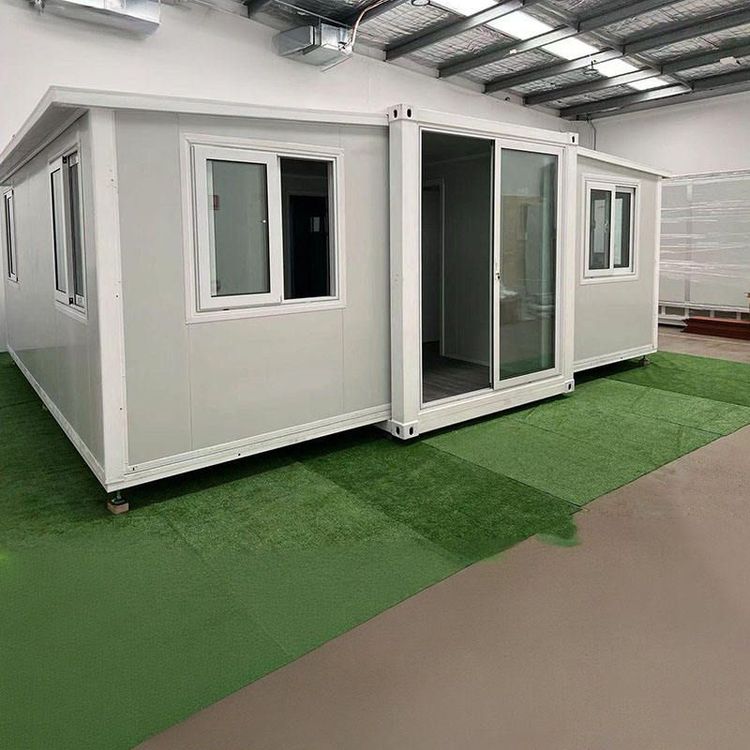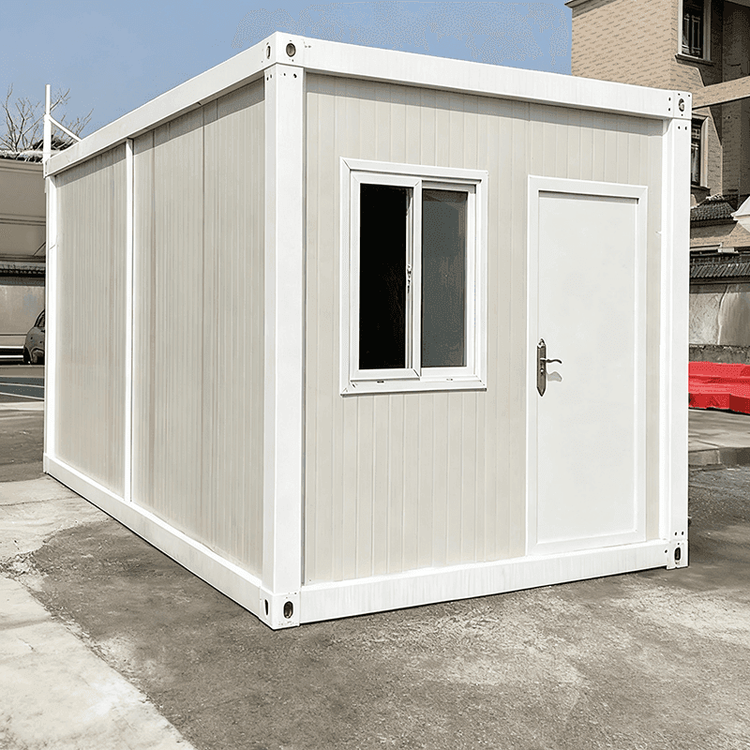
Can Mobile Toilets Be Placed?
Mobile toilets can be placed, but this needs to be judged based on specific circumstances.

Firstly, mobile toilets are flexible and suitable for a variety of scenarios. Their biggest advantage lies in their ability to be placed and moved according to actual needs, making them particularly suitable for temporary land or venues with frequent changes. For example, at construction sites, large-scale event venues, or tourist attractions, mobile toilets can be quickly deployed to meet temporary needs. Additionally, as long as the ground is level, mobile toilets can be placed and used without the need for complex infrastructure projects, further enhancing their applicability.
Secondly, rural areas are important application scenarios for mobile toilets. In rural areas where public toilets are insufficient, the placement of mobile toilets can effectively alleviate the shortage of sanitation facilities, providing convenience for rural residents and tourists. For example, in rural tourism development, mobile toilets can improve service quality and promote local economic development. However, it should be noted that when placing them, priority should be given to environmental protection and sanitation issues to ensure that sewage disposal complies with environmental protection requirements and avoids pollution to soil, water sources, etc..
Furthermore, placing mobile toilets in one's own yard requires comprehensive consideration of legal and rights issues. Firstly, according to the Land Administration Law of the People's Republic of China, if a mobile toilet does not exceed the scope of the homestead and complies with land use planning, it may not be regarded as an illegal structure. Secondly, the construction of any building requires the fulfillment of reporting procedures in accordance with the law. If a mobile toilet is fixedly placed and used as part of a residence, legal approval must be obtained. Unauthorized placement without approval may constitute an illegal structure. Thirdly, when placing a mobile toilet, one should avoid affecting the rights and interests of others, such as adjacent relationships, drainage, and passage. If the legitimate rights and interests of others are damaged, even if it does not constitute an illegal structure, one may still face other legal liabilities.
In conclusion, the placement of mobile toilets needs to be comprehensively judged based on specific scenarios, legal requirements, and environmental factors to ensure legality, compliance, and no impact on public interests.