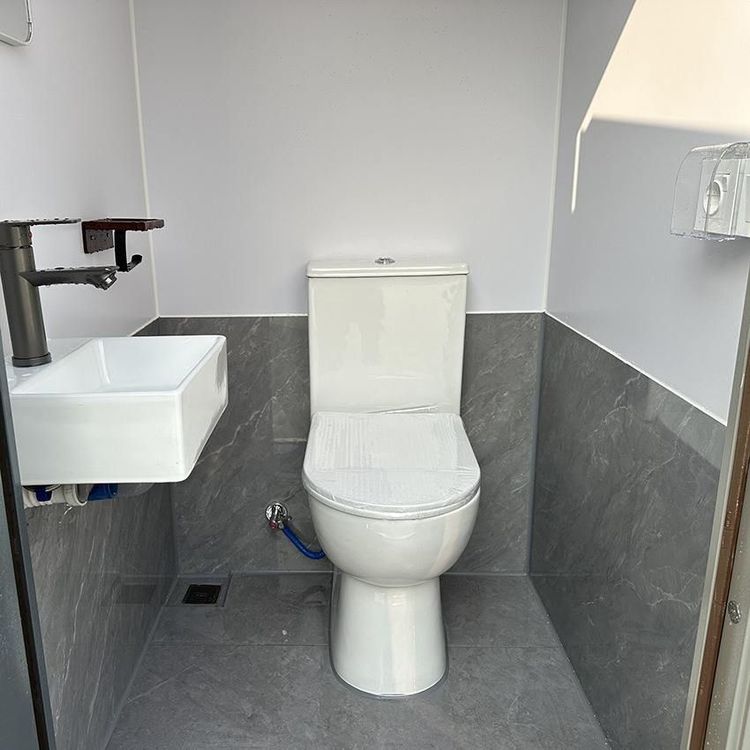
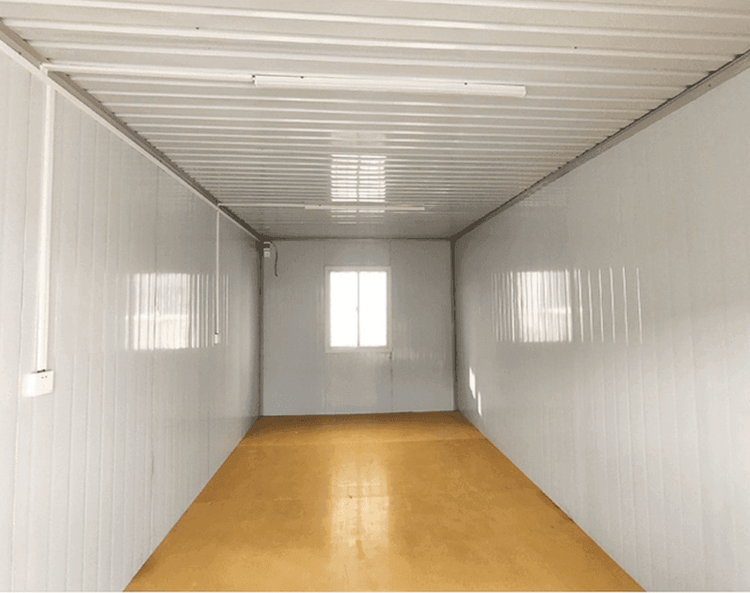
Can Mobile Toilets Be Installed in Residential Areas?
Whether mobile toilets can be installed in residential areas requires comprehensive consideration. It is not recommended to place them randomly beside residential buildings, but they can be reasonably set up under specific conditions. The detailed analysis is as follows:

1. Property Rights and Procedural Compliance
The public areas in residential communities are jointly owned by all property owners and managed by the property management company. If mobile toilets need to be installed, relevant approval procedures must be completed to ensure compliance with the overall planning of the residential community and property management regulations. For example, residents in a residential community in Jinshan District, Shanghai, privately built a mobile toilet on the rooftop. Since they did not go through the construction planning approval procedures, it was identified as an illegal construction and dealt with according to law. Unauthorized installation without permission may lead to property rights disputes or administrative penalties.
2. Environmental Sanitation Management Requirements
The cleaning and maintenance of mobile toilets are crucial. Poor management can easily result in fecal accumulation, odor diffusion, mosquito and fly breeding, and even soil and groundwater pollution. However, risks can be effectively controlled through scientific management:
- Regular Removal: The built-in fecal collection tanks need to be transported by special vehicles to fecal disposal stations or sewage treatment plants for harmless treatment;
- Biological Deodorization: Use biological deodorants to reduce odor diffusion;
- Closed Structure: Prevent the leakage of excrement and contaminate the soil.
Mobile toilets that meet hygiene standards will not cause long-term negative impacts on the environment.
3. Laws, Regulations, and Residents' Rights
Currently, there are no explicit regulations specifying the legal distance between public toilets and residential buildings. However, according to the Civil Code of the People's Republic of China, the construction of public toilets should follow the 'principle of minimum impact', that is, minimize interference with residents' lives as much as possible. If mobile toilets cause noise, odor, or affect lighting, residents can safeguard their rights in accordance with Article 294 of the Civil Code (Real estate right holders shall not discharge pollutants in violation of regulations). Reasonable site selection and scientific management are the core of avoiding disputes.
4. Flexible Deployment Scenarios
The deployment of mobile toilets is flexible and can be dynamically adjusted according to the needs of old residential communities, temporary events, or seasonal demands. For example, they can be temporarily set up in public areas such as community activity centers and squares, or provide temporary solutions for old residential communities without sewer networks. Their design independent of traditional sewer networks (such as the fecal collection tank + transportation mode) makes them an effective supplement in specific scenarios.
Conclusion: The installation of mobile toilets in residential communities needs to meet three conditions:
- Obtain the consent of property owners and go through approval procedures;
- Establish a professional cleaning and maintenance mechanism;
- Select sites away from densely populated residential buildings to reduce interference with daily life.
Under the premise of compliant management, mobile toilets can be a feasible solution to alleviate the toilet shortage problem in residential communities.