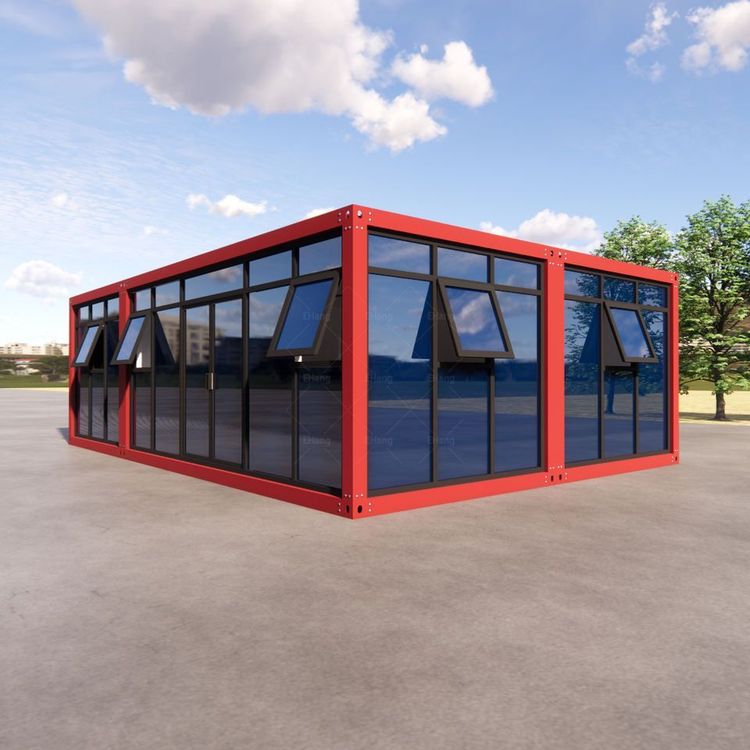
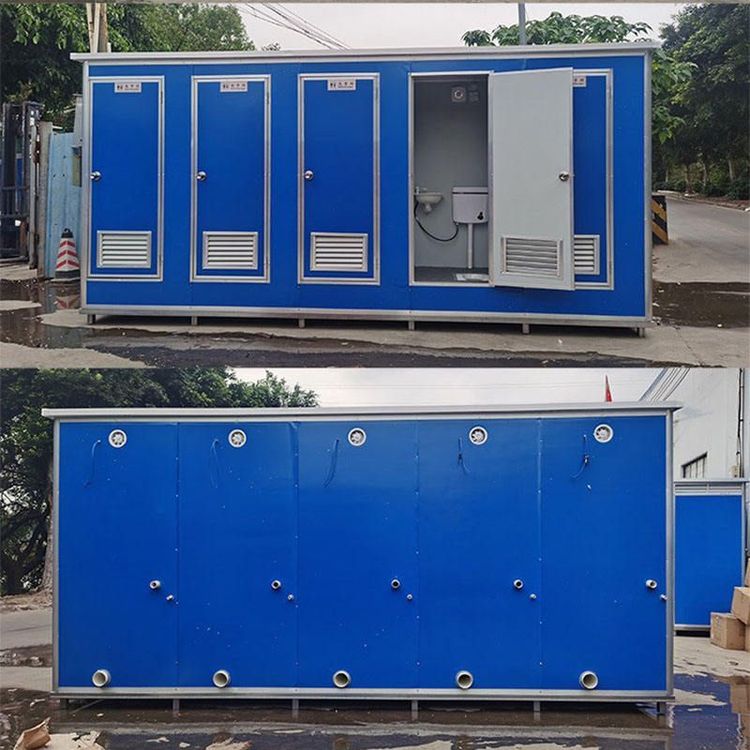
Can I Buy Prefabricated Slab Buildings?
Whether to buy prefabricated slab buildings requires careful consideration of multiple factors, and it is not recommended to purchase blindly. Here is a detailed analysis:

1. Building Quality and Safety Are Core Prerequisites
According to Article 61 of the Construction Law of the People's Republic of China, a building must pass the completion acceptance and obtain the Completion Acceptance Record before it can be delivered for use. When purchasing a prefabricated slab building, it is essential to check for quality issues such as wall cracks and structural deformations. If a professional agency identifies the building as a dangerous structure (e.g., loose connections between prefabricated slabs or damaged load-bearing structures), it poses a serious safety hazard and does not meet delivery standards. Such buildings should be excluded directly. Additionally, according to Article 29 of the Regulations on the Quality Management of Construction Projects, if the construction unit uses substandard materials or cuts corners, it shall bear legal responsibility. Before purchasing, buyers should request the seller to provide a building quality inspection report, focusing on confirming whether the connection methods of the prefabricated slabs and the load-bearing structures comply with current standards.
2. Legal Property Rights Are the Basis for Transactions
According to Article 6 of the Regulations on the Transfer of Urban Real Estate (Revised in 2001), real estate that has not been legally registered and issued a property rights certificate shall not be transferred. When purchasing, it is necessary to verify whether documents such as the building property certificate and land use certificate are complete to avoid contract invalidity due to property rights disputes. If the building is jointly owned (e.g., jointly owned by a couple or inherited jointly), written consent from other co-owners is required; otherwise, the transfer is illegal and may lead to subsequent disputes.
3. Seismic Performance and Planning Restrictions Require Special Assessment
Due to their structural characteristics, prefabricated slab buildings generally have weaker seismic performance. If the building is located in an earthquake-prone area, it may not meet the seismic standards specified in Article 54 of the current Construction Law, posing a risk of collapse. Additionally, according to Article 6, Item 2 of the Regulations on the Transfer of Urban Real Estate, if the area where the building is located involves urban renewal, road widening, or other planning, it may face demolition risks. It is necessary to consult the local housing and construction department or review planning documents to carefully assess the long-term living value.
4. Building Age and Living Experience Should Be Viewed Rationally
Most prefabricated slab buildings were constructed in the 1970s and 1980s and commonly have issues such as wall cracks, roof leaks, and poor thermal insulation (drafts in winter and stuffiness in summer). As the building ages, the risk of structural deterioration increases. From the perspectives of living experience and safety, the renovation and maintenance costs of such buildings are relatively high, and long-term living comfort is low. It is recommended to prioritize newly built residential buildings that meet modern construction standards.