Can Containers Be Used for House Appraisal?
Generally, containers cannot be directly used for house appraisal. However, modified container houses can undergo safety appraisal by professional institutions if they comply with building codes and safety standards. Here is a detailed analysis:

1. Architectural Attributes and Legality of Container Houses
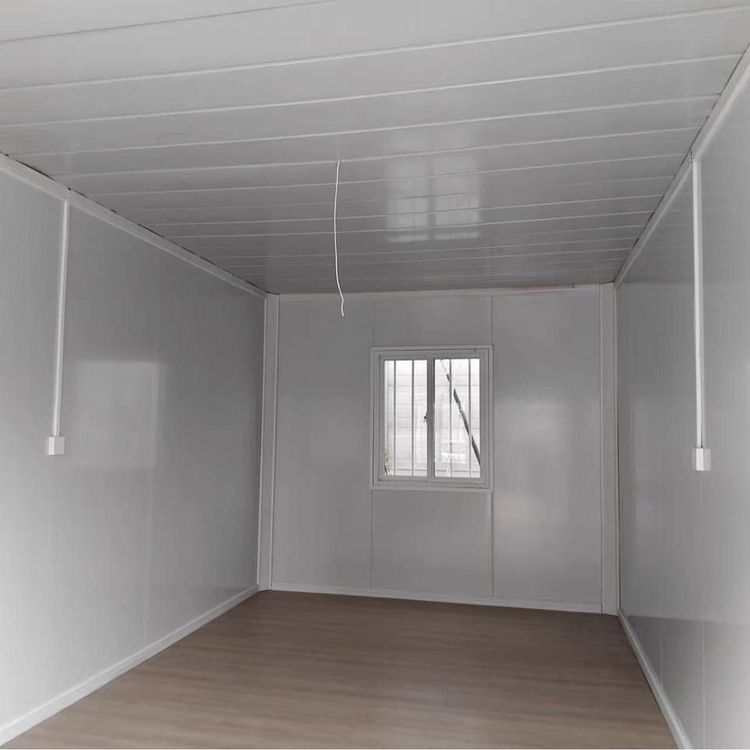
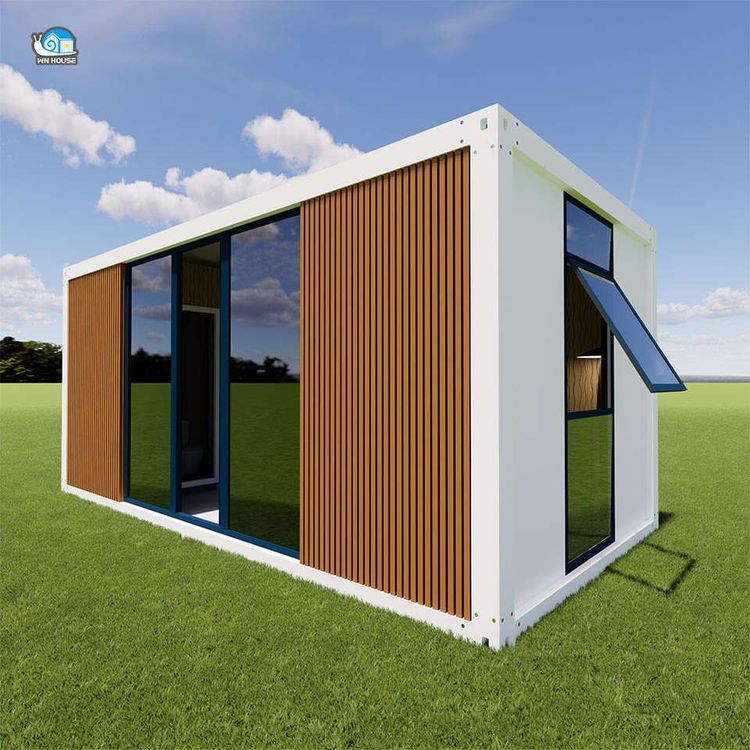
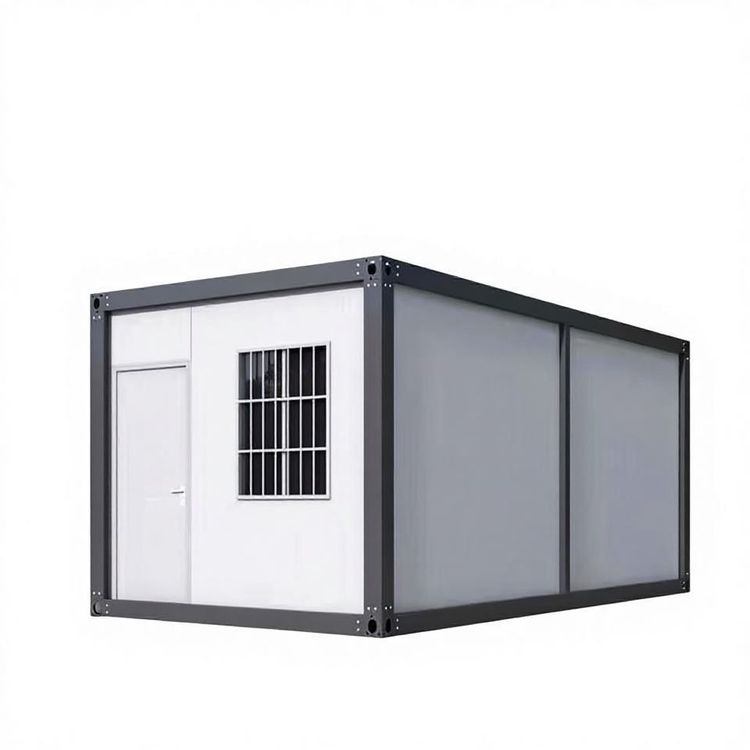
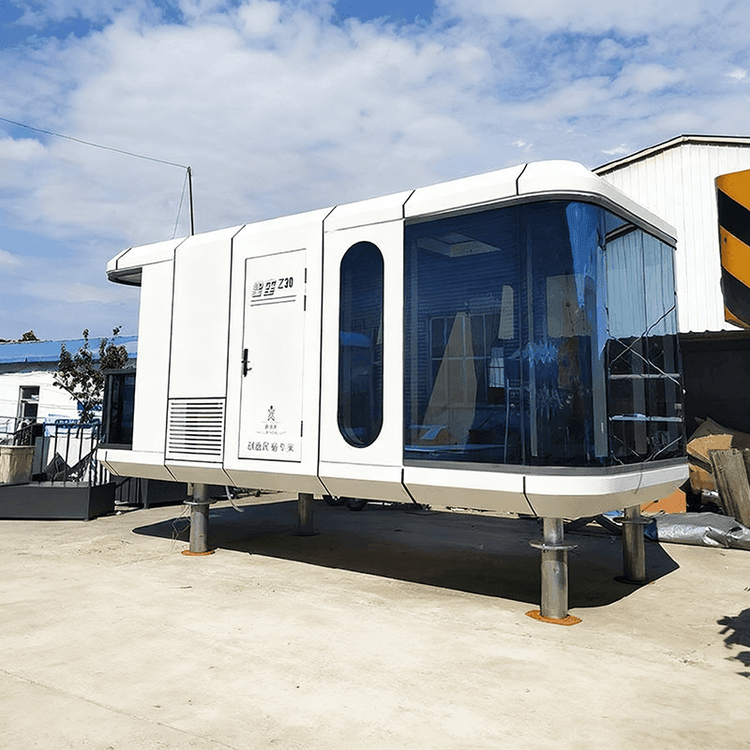
Container houses are residential or office buildings transformed from basic container structural modules. They are environmentally friendly, flexible, and cost-effective, widely used in temporary housing, creative spaces, post-disaster emergency buildings, and other fields. However, their legality as buildings depends on two conditions:
- Scale and Stability: They must have a certain scale and structural stability for long-term use.
- Approval Procedures: They must go through legal procedures such as land use rights certificates and planning permits. Unauthorized construction, even if stable, may still be considered illegal.
For example, if a container house is used for storage and occupies public land or affects the surrounding environment and residents' lives, urban management agencies may request relocation.
2. Core Requirements for House Appraisal
House appraisal typically targets legal buildings, assessing whether their structural safety, load-bearing capacity, durability, etc., comply with regulations. Appraisal institutions must propose rectification or demolition suggestions for illegal buildings in accordance with laws and regulations such as the Administrative Enforcement Law of the People's Republic of China.
- Uniqueness of Container Houses: Traditional containers are designed for cargo transportation, and their structural strength, fire resistance, thermal insulation, etc., may not meet residential building standards. Without modification or reinforcement, direct use for house appraisal may fail due to a lack of targeted standards.
- Compliance After Modification: If container houses are professionally designed and constructed, comply with requirements such as the Code for Fire Protection Design of Buildings and the Standard for Design of Steel Structures, and obtain relevant approval documents, they can undergo appraisal. For example, some container houses have improved living safety by adding soundproof cotton, thermal insulation layers, and lightning protection facilities.
3. Appraisal Cases in Practical Applications
- Temporary Building Appraisal: In scenarios such as construction sites and post-disaster emergencies, if container houses are used as temporary facilities, they must pass short-term safety assessments to ensure structural stability within the specified period.
- Long-term Residential Appraisal: If container houses are used for long-term residence or commercial purposes (such as homestays and gyms), they must be appraised according to permanent building standards, including foundation treatment, seismic design, and fire protection facilities. For example, the Nagoya Asian Games in Japan used container houses to build the Asian Games Village. Although it sparked controversy due to budget overruns, it demonstrated the need for strict safety reviews.
Conclusion: Containers themselves do not meet the conditions for house appraisal. However, modified container houses that comply with building codes and obtain legal approvals can undergo safety appraisal by professional institutions. The appraisal results depend on the design, construction, and compliance of the house, rather than solely relying on the original attributes of the container.