
Can Container Houses Use Heated Kangs?
It is uncertain whether container houses can use heated kangs. Currently, there is a lack of direct and authoritative conclusions in publicly available information. Only a few cases mention "container houses with heated kangs," but their feasibility or specific implementation methods are not clearly stated, requiring comprehensive analysis from technical principles and practical conditions.
Working Principle of Heated Kangs and Their Compatibility with Container Houses
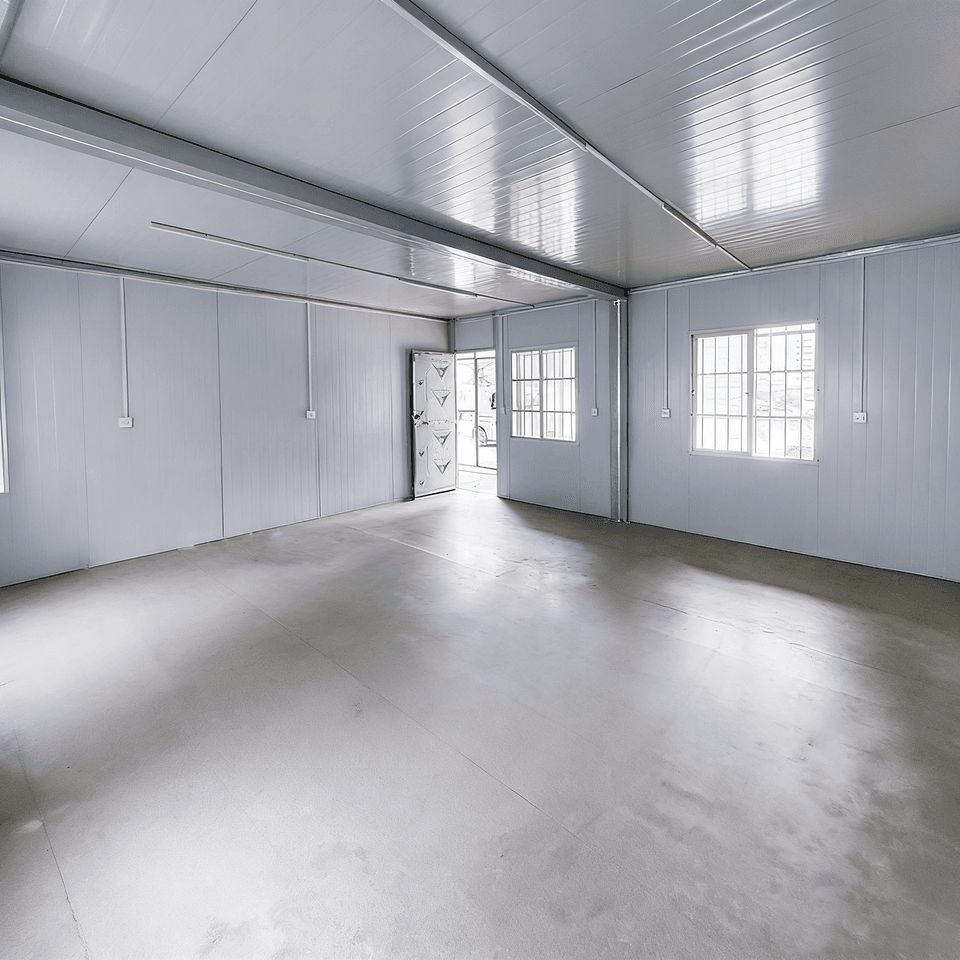
Heated kangs generate heat by burning fuel (such as firewood or coal). The heat is conducted to the interior through the kang body (usually made of brick, stone, or concrete), while exhaust gases are expelled outdoors through a flue. Their core requirements include: a stable combustion space, heat-resistant kang body materials, and an effective exhaust system. Container houses, on the other hand, have metal (such as steel) frames and walls mostly made of metal panels or composite boards. They are lightweight and movable but have strong thermal conductivity, limited heat resistance, and relatively enclosed interior spaces. If a heated kang is directly built inside a container, the following issues need to be addressed:
- Metal Thermal Conductivity Issue: The local temperature during kang combustion may exceed 300°C. If the metal walls are not thermally insulated, heat will dissipate rapidly, reducing heating efficiency and potentially damaging the wall structure due to localized overheating.
- Exhaust System Design: Containers are highly sealed, requiring a separately designed flue with proper sealing to prevent exhaust backflow or leakage, which could lead to safety hazards such as carbon monoxide poisoning.
- Space Layout Constraints: A heated kang occupies a certain amount of floor space, while the interior space of a container is limited (e.g., an 18-square-meter area for a 3m × 6m container). The kang body, combustion chamber, and living area need to be reasonably planned to avoid affecting usability.
Limitations of Actual Cases
The "container houses with heated kangs" mentioned in a few cases may be achieved through the following methods:
- Customized Modifications: Adding heat-resistant insulation layers (such as ceramic fiber boards) at the bottom or sides of the container to isolate the heated kang from the metal walls.
- Independent Combustion Chamber: Separating the combustion chamber from the living space and conducting heat through pipes to reduce direct contact.
- Professional Exhaust Design: Installing metal chimneys extending outdoors to ensure smooth exhaust. However, such modifications require professional team operations, are costly, and may affect the portability and structural stability of the container, making it difficult for ordinary users to complete on their own.
Conclusion
Using a heated kang directly in a container house without professional modifications poses safety hazards and efficiency issues. If heating is required inside a container, it is advisable to prioritize safer and more convenient options such as electric heaters or air conditioners. If a heated kang must be used, a professional agency should be commissioned to assess structural safety and design compliant thermal insulation and exhaust systems.



