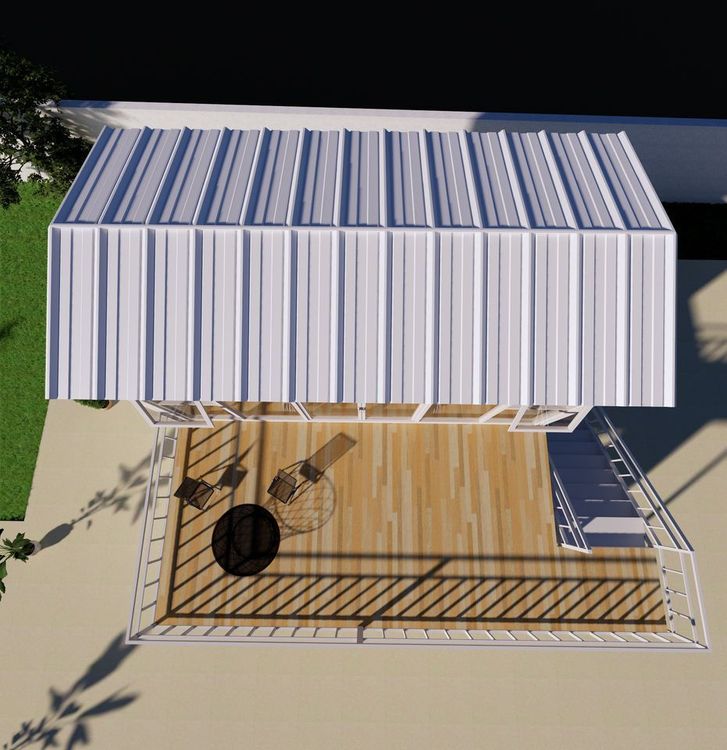
Can Container Houses Go on the Road?
Whether container houses can go on the road depends on the situation. The core lies in whether they comply with road transport and building management regulations. Unauthorized use or transport of container houses on the road may involve illegal activities.
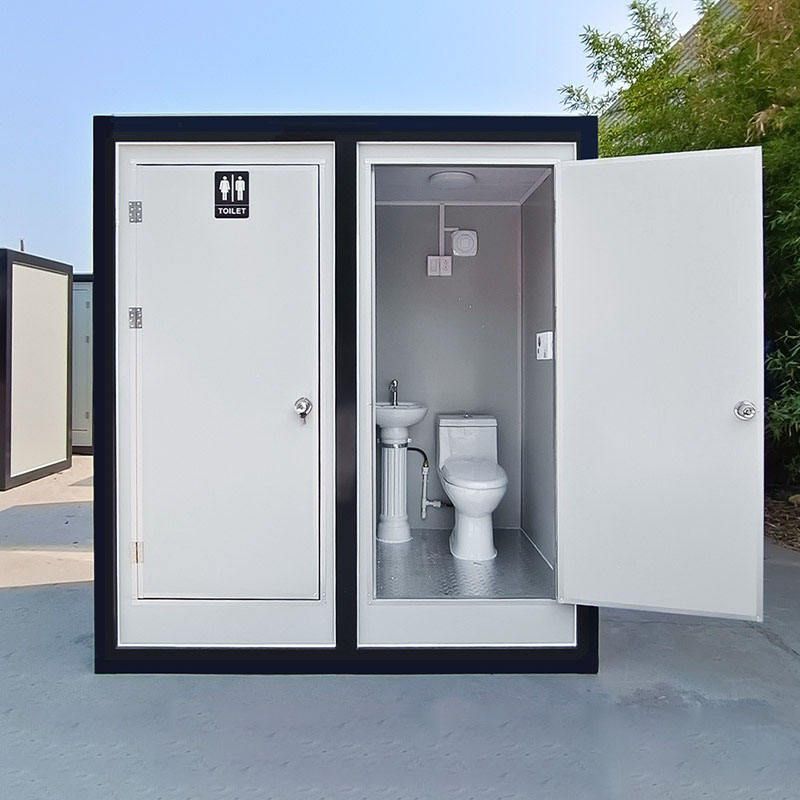
Road Transport Aspect: Container Houses on the Road Must Meet Vehicle Modification Regulations
According to the "Road Traffic Safety Law of the People's Republic of China", trucks carrying container houses are considered to have擅自改变机动车构造 (unauthorized alteration of the vehicle's structure). If the container house is fixed to the truck or the vehicle's structure is modified (such as adding windows, doors, or water and electricity facilities), it violates the regulation that "no motor vehicle may be assembled or its registered structure, construction, or features may be altered without authorization." Such actions may face fines, confiscation of illegal gains, and even the revocation of business licenses. Only when the container serves as a standard transport device (without being modified into a house) and complies with loading regulations can it be transported by compliant vehicles. For example, the road transport of ordinary cargo containers must meet requirements for stacking and securing.
Building Management Aspect: The Legality of Container Houses Depends on Their Use, Location, and Approval Procedures
- Unauthorized House Modifications Are Considered Illegal Constructions: If a container is modified into a house with residential or office functions (such as installing windows, doors, air conditioners, or water and electricity facilities) and lacks a construction project planning permit or temporary construction approval, it may be deemed an illegal construction regardless of whether it is placed on private property, rooftops, or farmland. For example, in Jinshan and Chongming, Shanghai, multiple cases have been investigated where containers were modified into employee dormitories or residential houses, all of which were required to be rectified or demolished due to lack of approval.
- Temporary Use in Specific Scenarios May Be Legal: When used as temporary storage or logistics facilities on planned sites (such as approved construction land) or for emergency disaster relief, construction site dormitories, and other temporary scenarios, and with corresponding permits, container houses are not considered illegal constructions. However, attention must be paid to the usage period, as failure to remove them after expiration may turn them into illegal constructions.
Key Criterion for Judgment: Whether Approval Procedures Have Been Followed
The legality of container houses must be comprehensively evaluated based on their use (such as transport, storage, or residence), location (such as planned areas or non-construction land), and procedures (such as planning permits or temporary construction approvals). Unauthorized house modifications or transport on the road both carry legal risks. It is recommended to consult local planning and traffic departments before use to clarify the usage period and purpose and avoid economic losses or administrative penalties due to non-compliant operations.