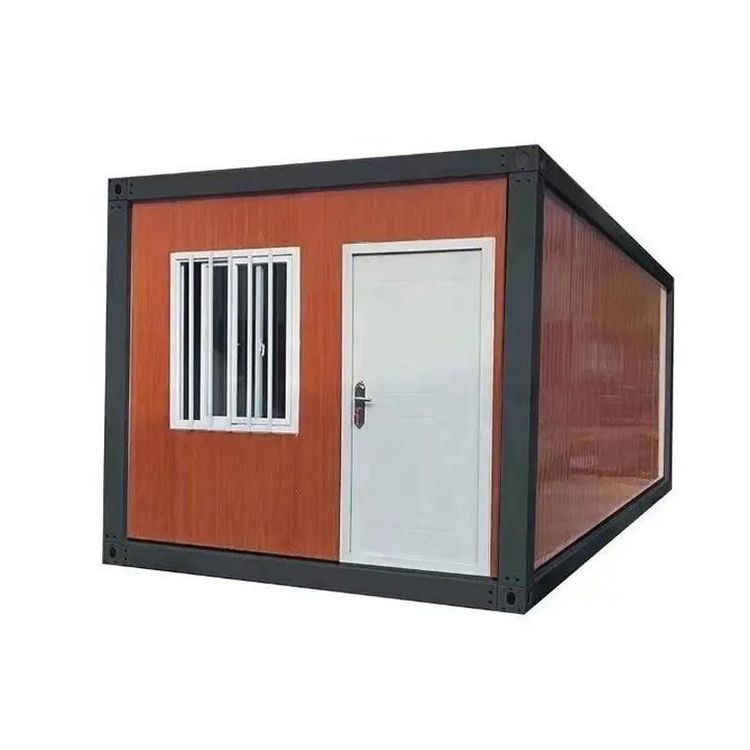
Can Container Houses Be Shipped by Logistics?
Container houses cannot be shipped by regular logistics services; specialized transportation methods and compliance procedures are required. As modular steel-structure buildings, they exceed size and weight limits, necessitating dedicated logistics providers with heavy-haul qualifications and specialized handling equipment. Below are standardized delivery solutions for different scenarios:

Domestic Order Delivery
Domestic transportation primarily relies on flatbed trucks for direct delivery of finished container houses to designated sites. For foldable or expandable units, cranes are required for deployment. Transportation methods are adjusted based on cargo volume and distance:
- Bulk Transport: A single 17.5-meter flatbed truck can carry approximately 23 foldable container units, suitable for large-scale projects.
- Single-Unit Transport: For single-unit orders with long-distance requirements, purchasing from nearby cities is recommended to reduce costs. For cities adjacent to Hefei, 6.8-meter high-barrier trucks are used to balance cost and efficiency.
Such shipments require advance route planning to ensure compliance with road restrictions (e.g., height/width limits) and securing oversized transport permits.
International Order Delivery
International shipments use standardized shipping containers (20-foot and 40-foot options) to ensure safety during long-distance transport. Loading configurations include:
- 20-Foot Container: Holds 12 foldable units or combinations like 1 standard 20-foot expandable unit + 2 10-foot expandable units.
- 40-Foot Container: Accommodates 2 20-foot expandable units + 4 10-foot expandable units.
Maritime transport employs full-container loading/unloading, eliminating mid-route transfers to maintain cargo integrity. Note: Verify destination port's customs clearance capacity and unloading equipment (e.g., cranes) in advance.
Core Transportation Requirements
Both domestic and international shipments must meet these conditions:
- Compliance Certification: Carriers must hold heavy-haul licenses, and drivers require specialized operation certificates.
- Dedicated Equipment: Use flatbed trucks, high-barrier trucks, or shipping containers to prevent damage.
- Complete Documentation: Secure oversized transport permits, customs declarations (for international shipments), and other compliance papers.
- Route Optimization: Conduct advance route surveys to avoid restricted zones or low bridges.
Through standardized delivery solutions, container houses achieve safe, efficient cross-regional transportation to meet diverse delivery requirements.