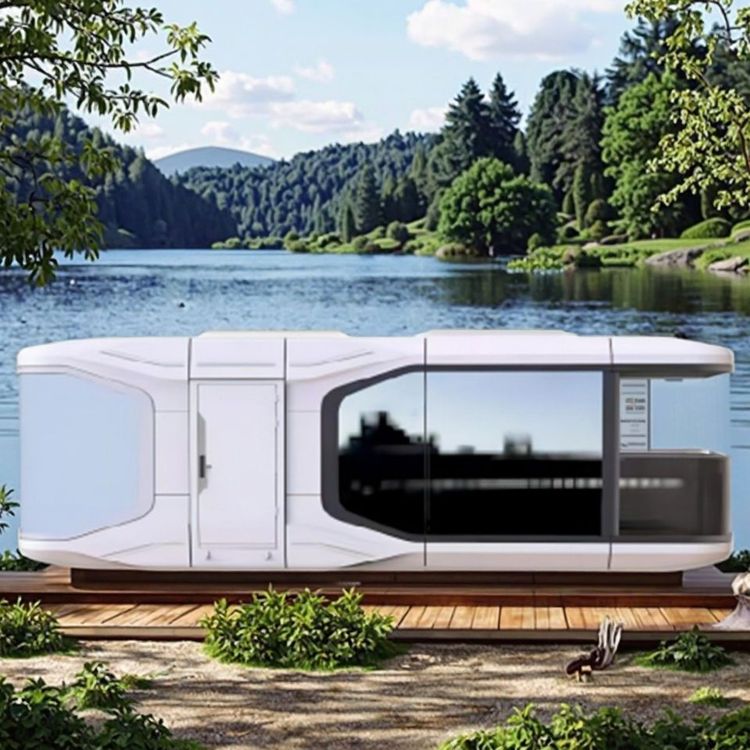
Can Container Houses Be Lived in Long-Term?
Container houses can be used for long-term living, but they need to meet specific conditions and there are multiple risks. A careful assessment is required before making a decision.

Residency under Satisfactory Conditions: If container houses undergo professional renovation, they can meet the requirements for long-term living. The renovation should include: reinforcing the walls to enhance structural stability; optimizing thermal insulation, waterproofing, and fireproofing performance to adapt to the living environment; installing thermal insulation layers, ventilation systems, and heating equipment to improve comfort; improving water and electricity pipelines, drainage systems, and kitchen and bathroom facilities to ensure convenience in daily life; and finally, passing safety inspections by relevant departments and complying with local residential building regulations.
Health Risks to Be Vigilant About:
- Air Pollution: The materials of container houses and their decoration may release harmful gases such as formaldehyde and benzene. Poor ventilation can lead to excessive concentrations, increasing the risks of fetal growth retardation, childhood asthma, respiratory irritation, and even poisoning symptoms.
- Carbon Dioxide Accumulation: In enclosed spaces, the CO₂ concentration at night can reach 2000 - 3000 ppm, far exceeding the safety standard (1000 ppm), causing dizziness and reduced attention.
- Humid Environment: When the relative humidity exceeds 70%, mold can grow, potentially triggering allergic dermatitis and rheumatoid arthritis.
Safety Risks to Guard Against:
- Fire Hazards: Unauthorized electrical wiring, non-compliant electricity use, and flammable insulation materials can lead to a high incidence of fires, and the fires spread rapidly. In non-professional electrical circuit renovations, 60% of fires are caused by short circuits.
- Structural Instability: Self-renovation may damage the strength of the container body. Typhoons, heavy rain, or long-term uneven stress can easily cause collapse. The wind resistance of a single-layer container is only one-third that of a traditional house, and the stability of a double-layer unreinforced container decreases by 40%.
- Poor Sound Insulation: Normal conversation sounds are attenuated by less than 10 decibels, seriously affecting sleep quality.
Legal Risks to Avoid: Setting up container houses for living on non-construction land without legal approval is an illegal construction act, which may result in forced demolition and property losses.
Conclusion: Long-term living in container houses requires professional renovation and compliance inspections as prerequisites. At the same time, continuous attention should be paid to health, safety, and legal risks. If the above issues cannot be fully resolved, it is advisable to choose this type of living arrangement with caution.