
Can Container Houses Be Inhabited?
Container houses can indeed be inhabited. After professional renovation, container houses can be transformed into a form of architecture with residential functions. Their safety, functionality, and applicability have been verified through practical applications, as analyzed in detail below:
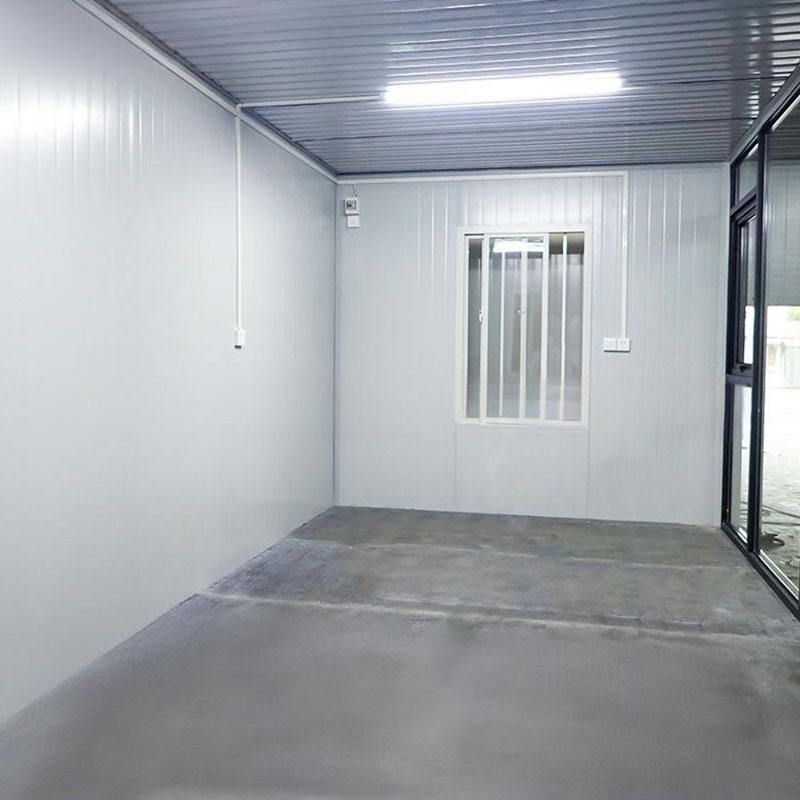
1. Realization of Residential Functions After Renovation
Container houses can meet basic living needs through structural reinforcement, interior decoration, and facility installation. For example, container-style蜗居 (蜗居 can be translated as 'compact living spaces' here, but for simplicity, we'll just say 'compact container homes') are equipped with windows, exhaust fans, doors, and lighting to create ventilated, well-lit, and basic living spaces, primarily providing temporary or transitional housing for low-income individuals. Such renovations typically use fire-resistant and heat-insulating materials and optimize spatial layouts to ensure living comfort.
2. Wide Range of Practical Application Scenarios
The residential functions of container houses have been applied in various fields:
- Construction Sites: Used as worker dormitories, container houses can be quickly erected and adapted to different construction environments due to their modular and movable nature.
- Temporary Housing: In natural disasters or emergencies, container houses can serve as emergency shelters, providing rapidly deployable living spaces.
- Event Accommodation: The 2026 Aichi-Nagoya Asian Games will use container houses as accommodation for athletes. The units are designed as two-bedroom, one-living-room layouts, each housing three people, and are equipped with independent toilets, bathrooms, dressing rooms, as well as refrigerators, sinks, washing machines, and air conditioners, fully meeting long-term living needs.
3. Safety and Compliance Assurance
The residential safety of container houses must be achieved through strict renovation standards:
- Structural Reinforcement: The container frames are welded and reinforced to ensure compliance with building codes for load-bearing capacity and earthquake resistance.
- Fire and Heat Insulation: Rock wool boards and other fire-resistant materials are used to fill the container bodies, and heat-insulating layers are laid to enhance fire and thermal insulation performance.
- Ventilation and Lighting: Windows and exhaust fans are added to optimize indoor air circulation and prevent moisture and odor buildup.
- Facility Installation: Water and electricity systems, sanitary facilities, and furniture are installed according to usage needs to ensure functional completeness.
4. Applicable Population and Limitations
The residential applicability of container houses must be evaluated in conjunction with specific scenarios:
- Advantages: Low cost, quick setup, and mobility make container houses suitable for temporary or transitional living needs, such as for low-income groups, construction workers, or event personnel.
- Limitations: For long-term residence, issues such as sound insulation, lighting, and cramped space need to be addressed, and regular maintenance is required to extend their service life.
In conclusion, through scientific renovation and standardized management, container houses can become safe and practical residential options, with their application scenarios expanding from temporary housing to long-term residence.



